

Boeing has had a challenging few months, however, which was highlighted by just 13 commercial aircraft being delivered in November.
The staggeringly low numbers come amid strike action, which concluded in the first week of the month. The strike action was not aided by the 737 MAX program’s failure to resume production.
Delivering just 13 units across the month is less than a quarter of what was handed over to its airline customers one year prior. The tally stood at 56 and is among some record lows for a beaten and bruised manufacturer.
While production for the MAX has resumed, things aren’t necessarily expected to get any easier as challenges continue with production output rates capped following increased oversight from the Federal Aviation Administration.
The governing regulator imposed the restrictions at the beginning of the year to investigate the persistent quality issues that have been affecting the manufacturer.
The FAA argued that if any increases were to occur, the company’s focus would shift away from rebuilding the business and instead toward generating revenue and moving through its extensive backlog, which could lead to slip-ups.
Despite the frustrations it has caused, even Boeing couldn’t necessarily argue with this approach. However, its impact since being capped has been profound, and its financial position has gone from shakey to completely unstable.
Boeing wants to try to increase production once more to 38 aircraft per month; this is, at least for the moment, the cap and deemed the sweet spot in a bad situation to generate all-important revenue that would help the company.
Boeing Falls Further Behind Airbus
While Boeing finds itself in a striking different position from competitor Airbus, unfortunately, the results on a month-by-month basis are scarily different.
Airbus was able to deliver over 80 aircraft across November, and while it is battling its supply chain issues and some program inefficiencies, it is facing nothing like the turmoil Boeing is going through.
The European planemaker recognises that a better Boeing is ultimately better for the broader industry and helps drive innovation alongside healthy competition.
However, Airbus has the ability to cement its position as the most successful planemaker year after year for decades.
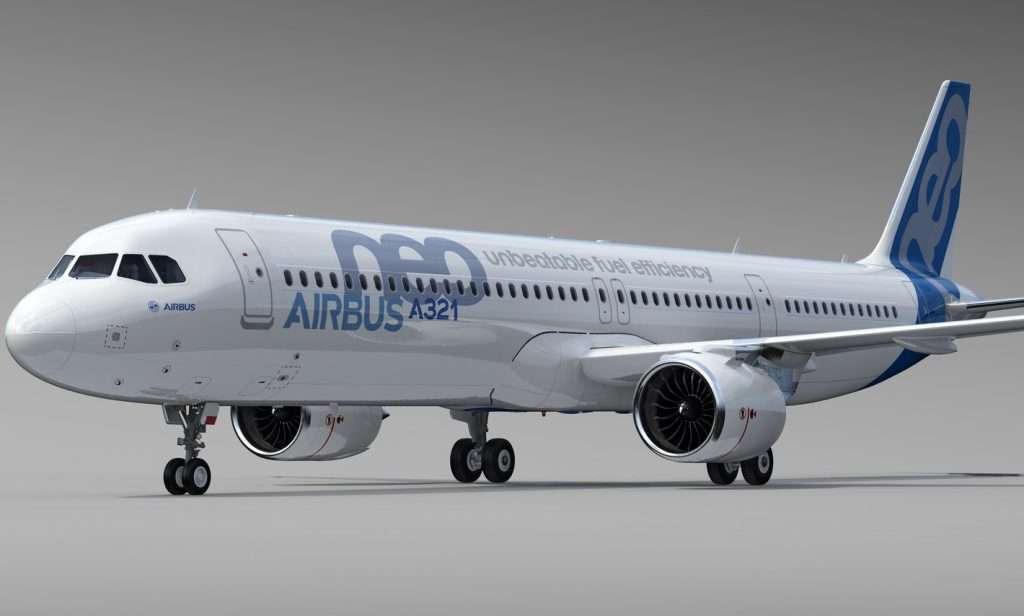
Airbus’ more robust nature will allow it to commit significantly more resources to innovation and work towards a new commercial airliner. If Airbus could launch said new endeavour sooner than Boeing, it could have an advantage for decades to come.
Boeing, therefore, finds itself at a critical juncture. It simply cannot afford to see anything more go wrong in 2025 and needs a year full of stability.

ABOUT THE AUTHOR
Daniel Fowkes is a Melbourne-based aviation analyst and journalist with over a decade of industry experience. As founder of Dj’s Aviation, he delivers trusted analysis on aircraft, airline strategy and global aviation trends for djsaviation.net
Related Articles



Stay Informed
Get the latest aviation news, analysis and route updates delivered to your inbox.
We respect your privacy. Unsubscribe at any time.
Enjoyed this story?
Make us your go-to for aviation news
Add us as a preferred source on Google and see our latest stories first in Top Stories.
Add Us On Your News Feed