
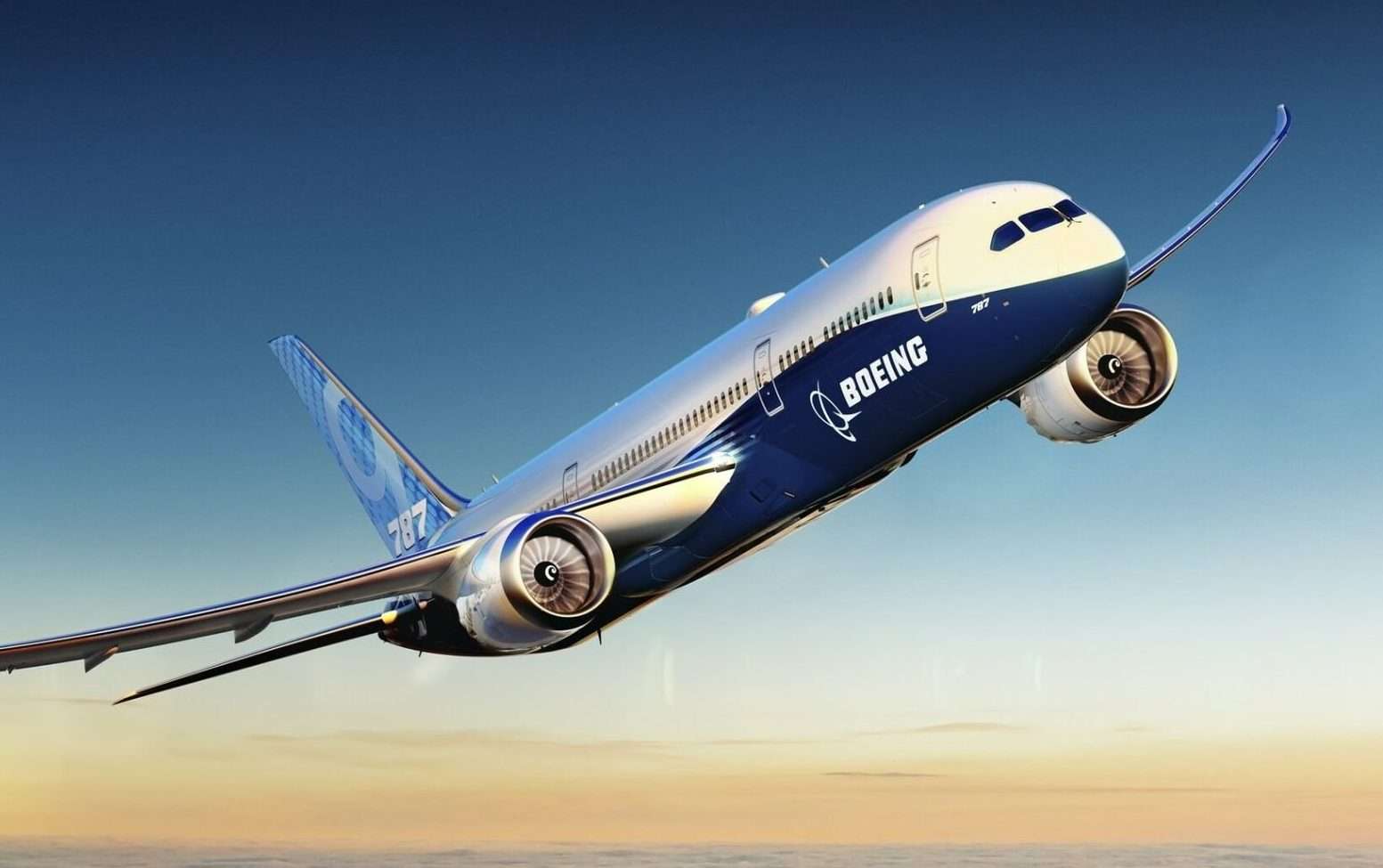
Boeing is nearing a deal with Pakistan International Airlines (PIA) for more aircraft, marking a significant realignment of the fleet.
Pakistan’s Interior Minister Moshin Naqvi has confirmed that progress is being made toward acquiring 16 new Boeing jets, with high-level talks underway at the US manufacturer’s headquarters.
16 New Boeing Planes For Pakistan?
Naqvi’s visit to Boeing’s offices in Washington this week has spurred further discussion about Pakistan International Airlines’ next commercial aircraft order. Members of the newly formed management team also accompanied the Interior Minister to the United States.
During the meetings, the two discussed the acquisition of 165 new aircraft and reviewed the best available options to secure the most suitable deal for both parties, to be finalised as soon as possible.
The specific models part of the likely transaction have not been publicly confirmed. However, past briefings suggested PIA was interested in a mix of narrowbodies and widebodies to renew and grow its fleet.
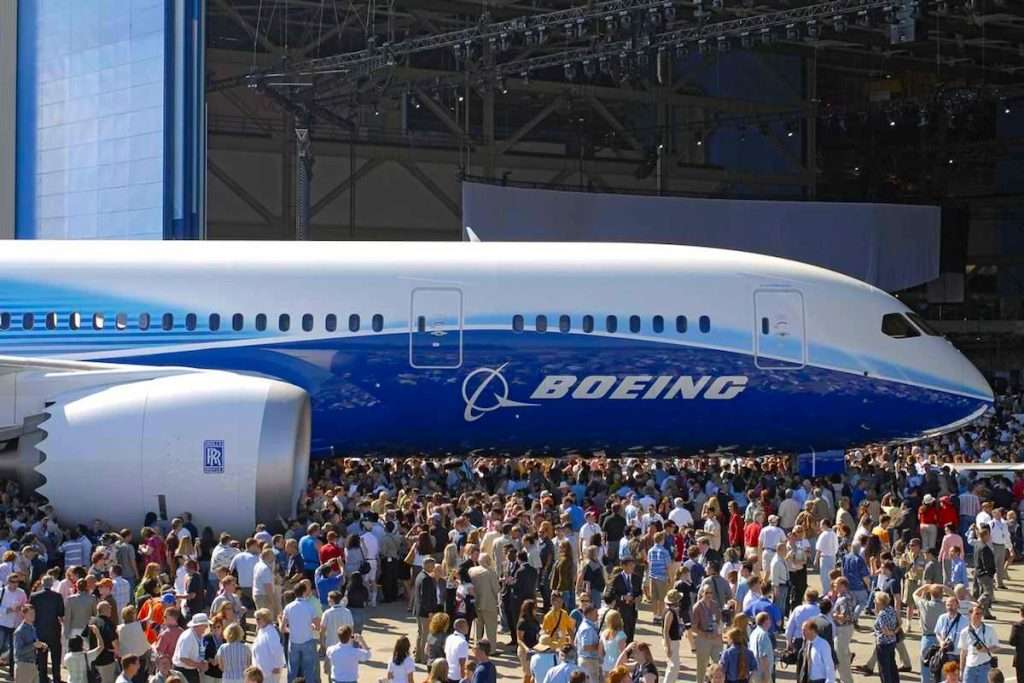
Under new ownership, PIA wants to scale its fleet by introducing around 30 aircraft over the next few years, which would, by the early-2030s, triple the total active fleet. For that to happen, new Boeing packages for jets will be important, even if deliveries are in the medium- to long-term, given the availability of slots.
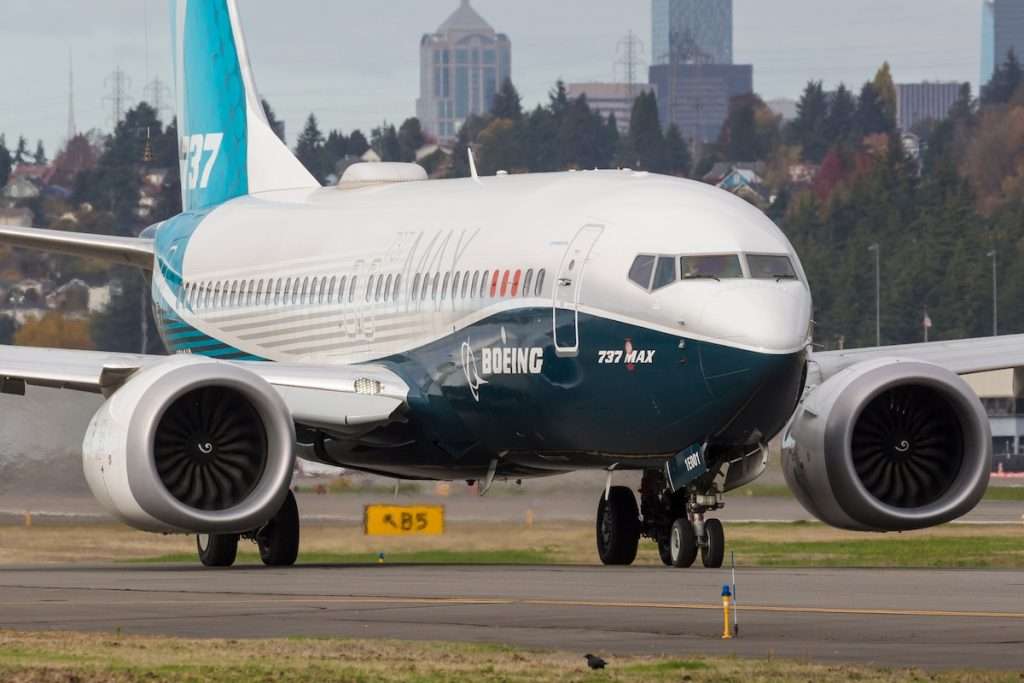
Analysts argue for PIA that the ideal mix would be a blend of models like the 737 MAX for regional routes and the 787, which would serve next-generation widebody operations, bringing capacity, efficiency, and greater focus on additional jets to improve the network.
Why Pakistan Needs New Planes
Pakistan’s push for new aircraft has been a long time in the making. With years of financial losses, sanctions, and other restrictions stemming from safety concerns, what’s left of the fleet is small and aging rapidly.
As a consequence, based on fleet data, the number of jets currently operational is slim. Data show PIA has 32 aircraft to its name, but only 16 are active, with an average age of 18.7 years.
As a result, under new ownership, the strategy is to build a fleet by reactivating stored aircraft where economically viable, followed by the necessary replacement of older jets with more fuel-efficient models.
By adding capacity, the airline aims to reopen long-suspended routes and move towards launching new services, such as the long-speculated and long-planned United States services.
While new ownership has strong ambitions, fleet expansion is critical to turning PIA around and to laying the groundwork in other areas. More aircraft will, however, before anything else, improve efficiency, increase revenue, and improve margins on routes flown by older planes.
Unfortunately for PIA, whether it’s ready or not to place the commitment is another factor in its decision-making after a rocky last few years financially. As a consequence of its struggles and the need to be patient, delivery slots are scarce, and availability within desired windows is becoming harder to find.
With the race to purchase new commercial jets forcing many airlines to take risks, PIA now needs to move more quickly than it may have wanted to secure spots on production lines. This has resulted in Naqvi’s urgent visit to Boeing’s headquarters, alongside airline delegates, to work out a deal.

ABOUT THE AUTHOR
Daniel Fowkes is a Melbourne-based aviation analyst and journalist with over a decade of industry experience. As founder of Dj’s Aviation, he delivers trusted analysis on aircraft, airline strategy and global aviation trends for djsaviation.net
Related Articles




Stay Informed
Get the latest aviation news, analysis and route updates delivered to your inbox.
We respect your privacy. Unsubscribe at any time.
Enjoyed this story?
Make us your go-to for aviation news
Add us as a preferred source on Google and see our latest stories first in Top Stories.
Add Us On Your News Feed