
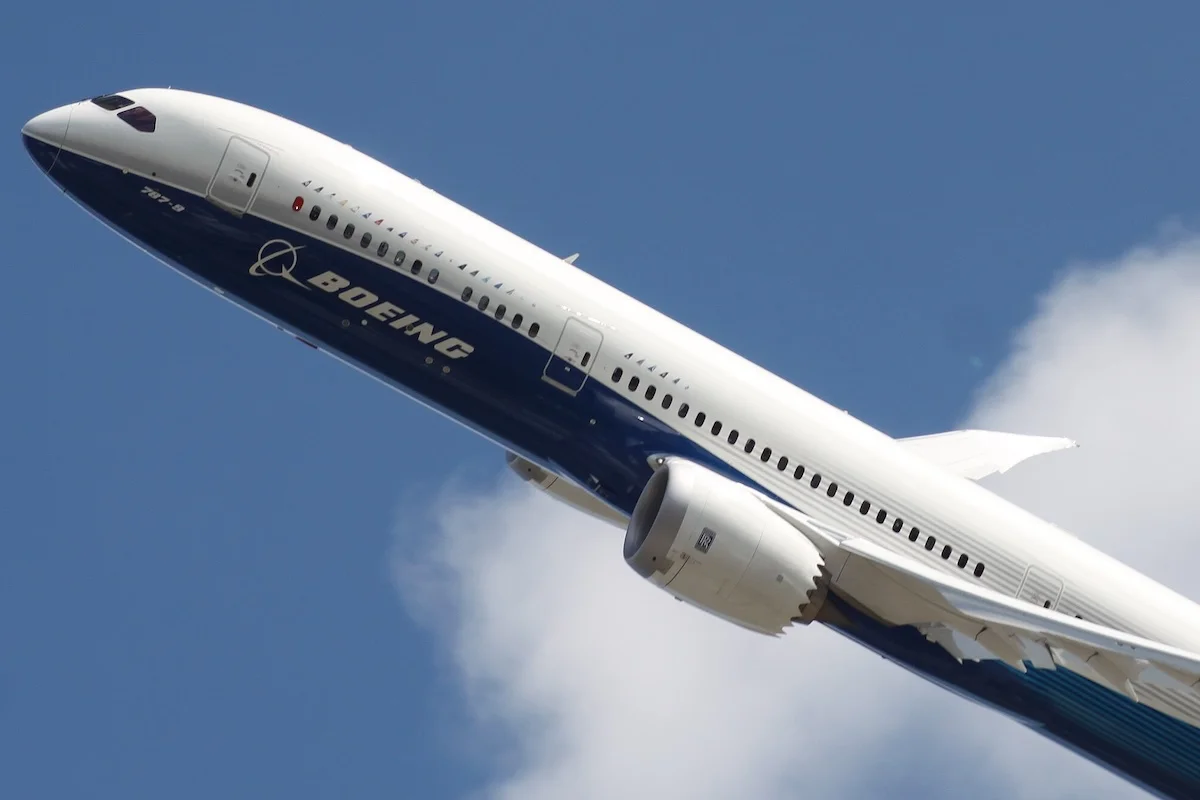
The US Federal Aviation Administration is moving forward with a mandate on fuel tank sealants across certain Boeing 787 family jets.
The latest mandate includes units from the 787-8, 787-9 and 787-10 families, where inspections will be required after production checks could not be substantiated.
Under the FAA’s directive, the goal is to address potential sealant defects on airframes that could create an ignition source inside the tank during a lightning strike and risk a fuel tank explosion.
The FAA published its airworthiness directive on 2 November 2026 and notes it comes into effect on 7 December 2026, affecting an estimated 60 Boeing 787s registered in the United States.
Boeing 787 fuel tank centre of attention
The FAA issued the directive after reports emerged that certain sealant installations in the centre wing of the Boeing 787 fuel tank did not receive a required visual and adhesion inspection during production.
Those comments led the FAA to propose a rule, with the governing regulator saying it lacked the evidence needed to determine that the inspections had been completed on the jets during production and, as such, needed assurances.
Operators will now need to respond to the ruling by conducting a detailed inspection of specified sealant installations on the left, right, and centre wing-side body areas, including areas between the side of the body rib and rib 2.
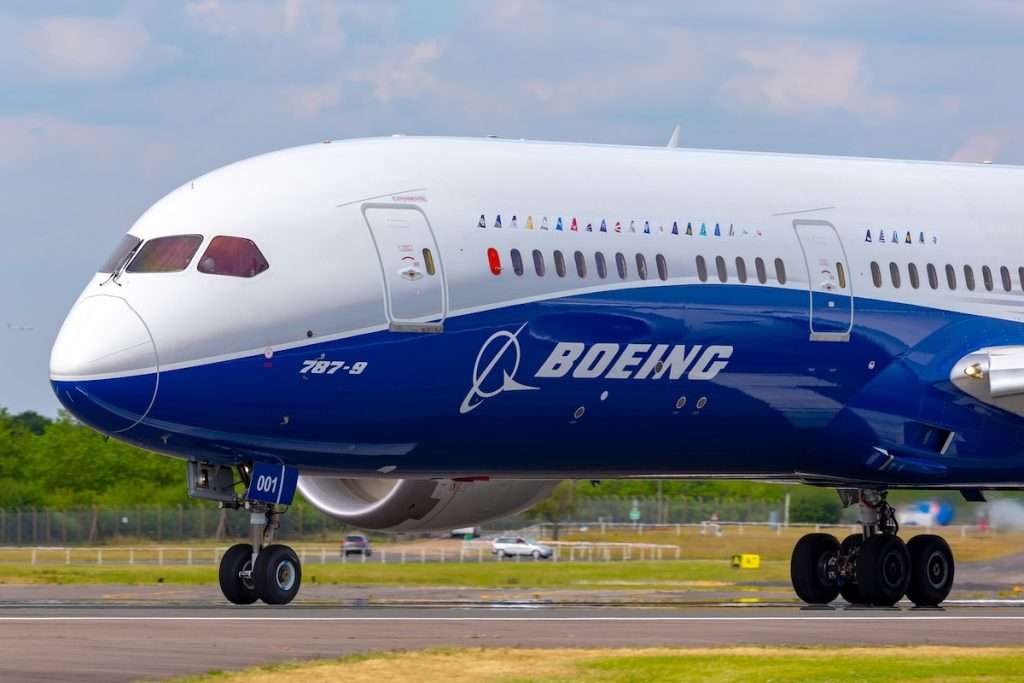
The FAA bulletin also says the work fundamentally includes checks for sealant defects and surface depressions. Operators should also be able to determine whether the material has been properly bonded to the underlying surface when adhesion testing is conducted.
If the findings are alarming, corrective action will be required using the repair procedures. Boeing’s bulletin previously called for an applicable repair procedure; the FAA, meanwhile, says the manufacturer will provide the repair instructions.
What will the inspections cost?
The FAA has estimated that the detailed inspections and further adhesion tests on the Dreamliner family will require 34 work hours per aircraft and an assumed labour rate of USD 85 an hour, bringing the estimated cost per aircraft to USD 2,890.
Across the U.S.-registered fleet, the approximate costs would therefore be USD 173,400. These figures exclude, however, the repairs that may be required from inspection findings if deemed applicable, with no definincte cost provided by the FAA or known at this stage,
The action, with the knowledge that Boeing is aware and performing the inspections now during aircraft production, concerns only a specific batch of 787 Dreamliners. This batch had inspection histories that were not clear enough to leave them without further insight into the sealant concerns.

ABOUT THE AUTHOR
Daniel Fowkes is a Melbourne-based aviation analyst and journalist with over a decade of industry experience. As founder of Dj’s Aviation, he delivers trusted analysis on aircraft, airline strategy and global aviation trends for djsaviation.net
Related Articles



Stay Informed
Get the latest aviation news, analysis and route updates delivered to your inbox.
We respect your privacy. Unsubscribe at any time.
Enjoyed this story?
Make us your go-to for aviation news
Add us as a preferred source on Google and see our latest stories first in Top Stories.
Add Us On Your News Feed