
Aircraft Guide · Seat Map
Boeing 787-9 Dreamliner
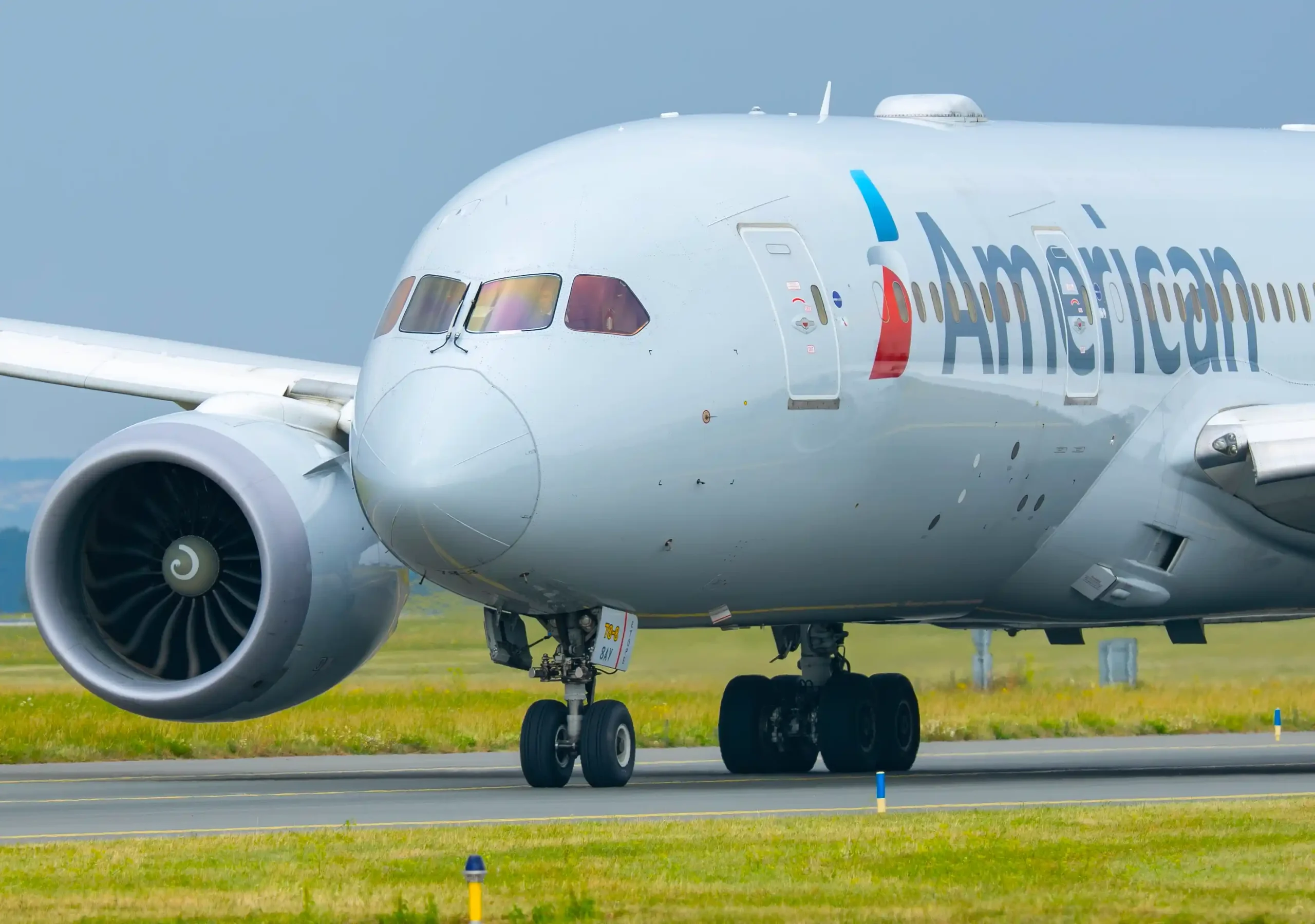
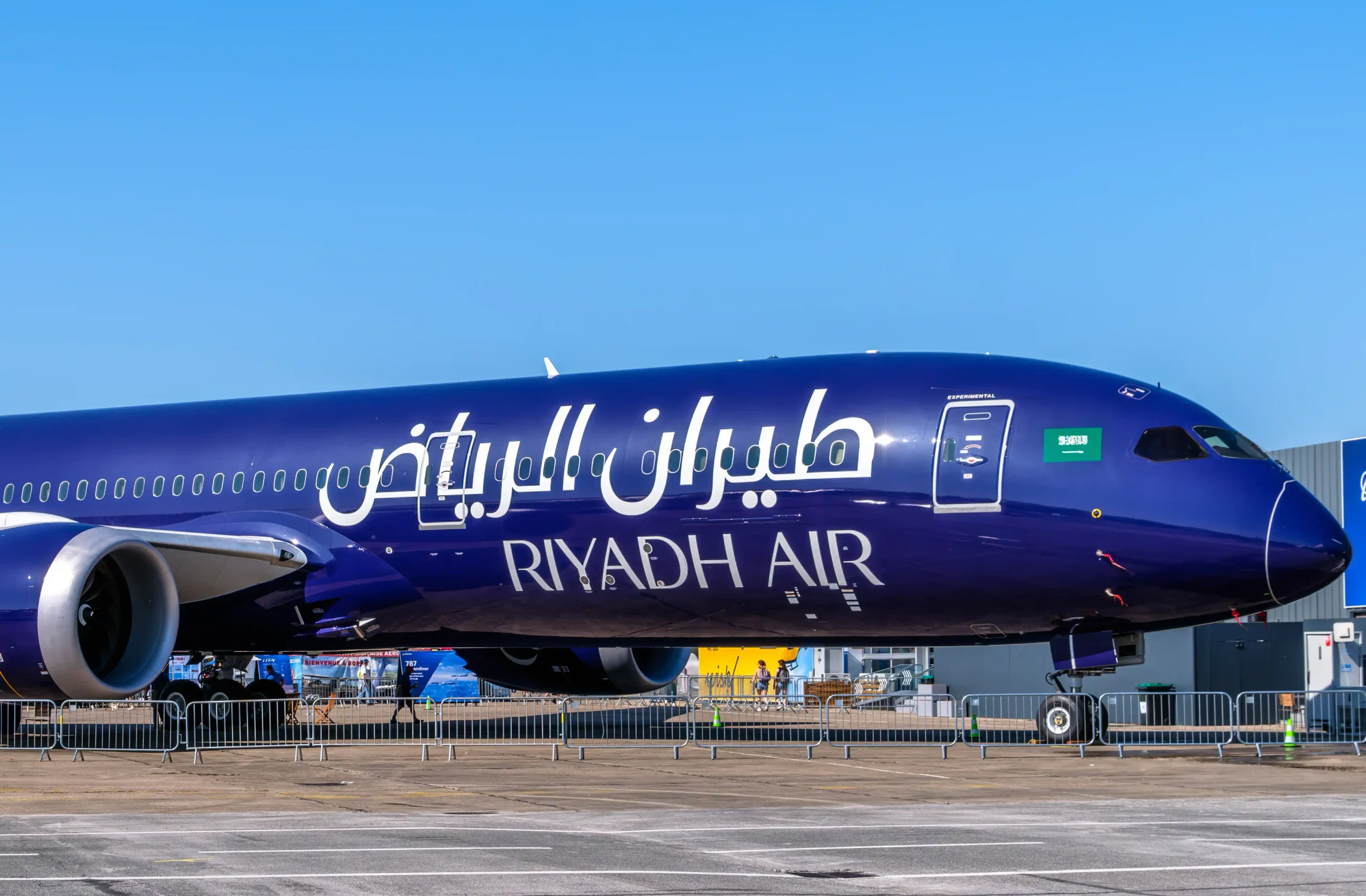
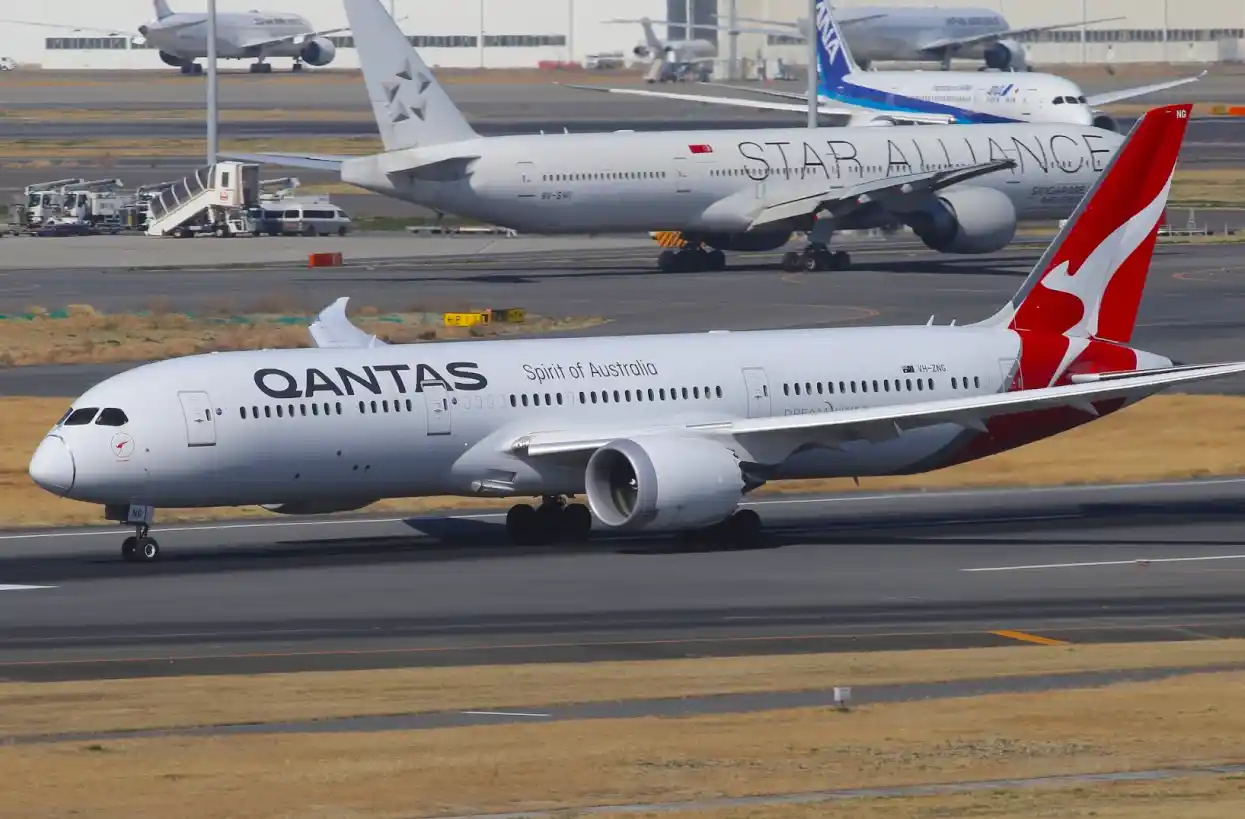
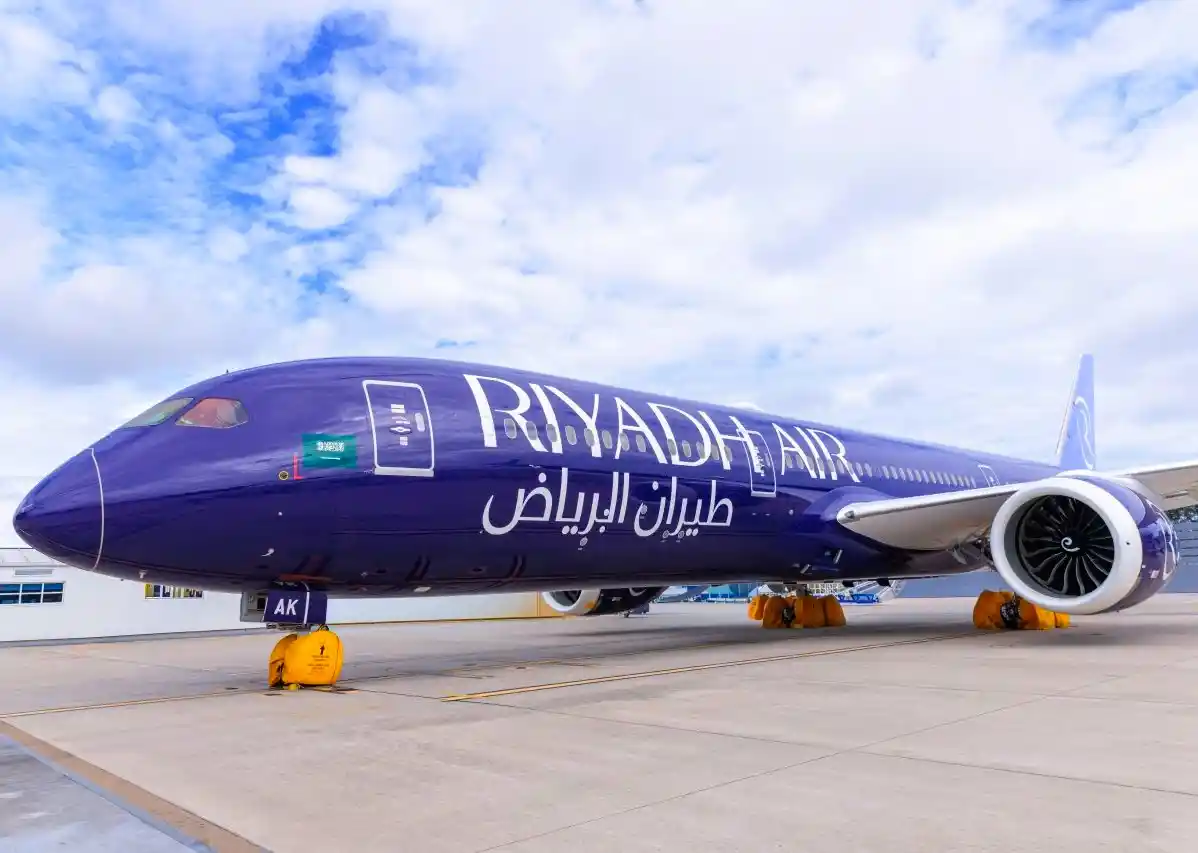
The Boeing 787-9 Dreamliner is the mid-size, best-selling member of Boeing's twin-aisle 787 family, developed as a stretched follow-on to the original 787-8 and designed to replace the Boeing 767-300ER while competing directly with the Airbus A330-900. Keeping the same wingspan as the 787-8, the 787-9 is a lengthened and strengthened variant with a 20-foot (6.1 m) longer fuselage and a higher maximum take-off weight, giving operators genuine long-haul range in a widebody twin-jet without the size or cost of a Boeing 777 or 787-10. Dj's Aviation covers its specifications, fleet status, safety history and operators below.
Ordered 2,400+ (787 family)
In Service Since 2014 (Air New Zealand launch)
Cruise ~M 0.85
Range ~7,565 nmi (standard MTOW)
Latest NewsBoeing 787-9 Dreamliner
Boeing 787-9 Dreamliner Quick Facts
ManufacturerBoeing
TypeWide-body (twin-aisle) twinjet
First flight17 September 2013
StatusIn active since 2014
DimensionsL ~62.8 m (206 ft)
W 60.12 m (197 ft )
H 17.02 m (55 ft)
W 60.12 m (197 ft )
H 17.02 m (55 ft)
MTOW254,000 kg (560,000 lb)
Cruise / Range~M 0.85
~7,565 nmi
~7,565 nmi
Ceiling~13,106 m (~43,000 ft)
EnginesRolls-Royce Trent 1000
General Electric GEnx-1B
General Electric GEnx-1B
Total ordered (787 family)2,434 orders
Total Deliveried1,276 deliveries
CustomersMultiple carriers across North America
Europe
the Middle East
Asia-Pacific
Latin America
Europe
the Middle East
Asia-Pacific
Latin America
First delivery8 July 2014 (Air New Zealand)
Variants
Seat Map
Hover or tap a seat for details
Business
Economy
Exit Row
Galley / Lav / Doors
28Business1-2-1 · 85-in pitch
262Economy3-3-3 · 32-in pitch
290Total8 J seats at 75-in
Illustrative layout. Exact seating varies by operator and cabin fit.
History & Development
Boeing initially targeted the 787-9 for a 2010 entry into service, but the stretch was postponed from 2010 to at least 2012 and prioritised behind the 787-8 so the smaller variant could reach the market first. The prototype 787-9 made its maiden flight from Paine Field on 17 September 2013, flying for 5 hours and 16 minutes, and was subsequently displayed at the 2014 Farnborough Air Show. The 787-9 received both FAA and EASA type certification on 16 June 2014, and Boeing delivered the first aircraft to the launch customer, Air New Zealand, shortly after, with revenue service beginning in August 2014.
Unlike the 737 MAX family, the 787-9 has never been subject to a type-wide grounding. It was not yet in commercial service during the 787 programme’s 2013 lithium-ion battery grounding, and the March 2024 LATAM seat-switch incident, while serious, resulted in a targeted airworthiness directive and inspection programme rather than a fleet grounding. Boeing continues to develop the type, with an increased maximum takeoff weight (iMTOW) variant certified by the FAA in March 2026, extending range and payload options for airlines.
Cabin: Seating & Configuration
All three 787 variants share the same 5.74 m (18 ft 10 in) cabin width, allowing airlines to configure economy in either a 2-4-2 or, more commonly, a 3-3-3 layout. Because each airline designs its own cabin, seating totals vary considerably. Typical two-class capacity is generally cited around 290 passengers, sitting between the 787-8’s ~248 and the 787-10’s ~330.
Specifications
The dimensions and weights below reflect standard 787-9 production data.
Metric
Value
Like the rest of the family, the 787-9 uses raked wingtips rather than blended or split-tip winglets, and its 65% larger windows feature electrochromic (dimmable) shading in place of traditional pull-down shades.
Performance & Range
Metric
Value
~M 0.85 (Mmo 0.89 / ~956 km/h)
~43,000 ft
~7,565 nmi (14,010 km) at standard MTOW; roughly 300 nmi further with the iMTOW option
Engines & Fuel
The Boeing 787-9 is offered with a choice of two engine families, a point of difference from the single-source 737 MAX 9.
Metric
Value
2× Rolls-Royce Trent 1000 (multiple sub-variants) or 2× General Electric GEnx-1B
64,000–76,000 lbf class, depending on engine and weight variant selected
"More electric" design — no engine bleed air; cabin pressurisation, wing ice protection and hydraulics driven electrically
This more-electric architecture, combined with aerodynamic and composite-material efficiencies, contributes to a fuel-burn improvement of roughly 20% over the Boeing 767 the 787-9 was designed to replace.
Family Variants
787-8
Smallest, first-to-market variant; ~248 seats typical two-class
787-9
Stretched, higher-capacity, longest-range variant covered on this page; replaces the 767-300ER
787-10
Largest variant; 5.5 m (18 ft) longer fuselage than the 787-9, ~336 seats, shorter range at ~6,330 nmi
In-Seat Amenities & Tech
In-seat amenities vary by operator. Many carriers’ Boeing 787-9 fleets feature large dimmable windows, mood lighting, in-seat power/USB and seatback or streaming entertainment, though Wi-Fi provision is not universal. As with any in-production type, cabin standards can differ between an airline’s earliest and most recently delivered 787-9 airframes, and between Trent 1000- and GEnx-powered examples of the same fleet.
Production & Timeline
Boeing assembles the 787-9 at its North Charleston, South Carolina facility (all 787 final assembly has been consolidated there since 2021).
Milestone
Date
17 September 2013
16 June 2014
7 August 2014
11 March 2024
March 2026
Fleet & Operators
The Boeing 787-9 is flown by a broad, geographically diverse group of operators, reflecting its role as the “sweet spot” long-haul widebody in the Dreamliner range.
Operator
Role
Notes
Passenger
Widely used across long-haul international networks
Note: figures above generally reflect total 787-family fleet size where variant-specific counts were not confirmed in current sources; exact 787-9-only fleet numbers vary by operator.
Incidents & Safety
The Boeing 787-9 has no fatal accident or hull loss on its record to date. Notable safety events specific to, or affecting, the Boeing 787-9 include:
Related News
Aircraft News
Latest Airlines News
Carrier strategy, fleet moves & financial updates
Aircraft News
Latest Aircraft News
Programmes, retrofits & next-gen narrowbodies
Route News
Latest Route Updates
New launches, cuts & network shifts
Freight Orders & Delivery
Latest Freight Orders & Delivery News
Cargo conversions, orders & deliveries