

Lessor Azorra has acquired an orderbook of eight Airbus A220-300s from Dubai Aerospace Enterprise (DAE) as part of a sweeping change.
The shift adds to its commitments and now also marks its first deal with TAAG Angola Airlines, a transaction announced on 5 May 2026 that includes two aircraft already leased to the Angolan flag-carrier.
As part of the adjustment to the Airbus A220 order, there are still six more units slated for delivery in 2027 and 2028; these will also be powered by the Pratt & Whitney PW1500G engines and will ultimately bring Azorra’s A220-300 total to 15.
For Azorra, it’s a shift that signals confidence in this regional jet, even though there have been some headwinds in the program and certainly in demand across the industry after a shaky recent period.
Azorra Speaks On The A220 Change
Azorra’s VP Commercial, Andrew Zavatsky, said that acquiring the DAE A220 orderbook is a move that looks to strengthen its own position in the narrowbody segment, which focuses on smaller operations and allows it to better meet demand for the next generation of fuel-efficient airlines, driving for a more flexible solution to renew and grow.
Furthermore, it’s an assignment that sees the partnership with Airbus and DAE continue to grow; now, capacity can be deployed at scale, with new customers moving forward. The A220 is already proving to be a desirable aircraft, and now, with a large customer base, Azorra is looking to further show what this jet can do with its game-changing economics.
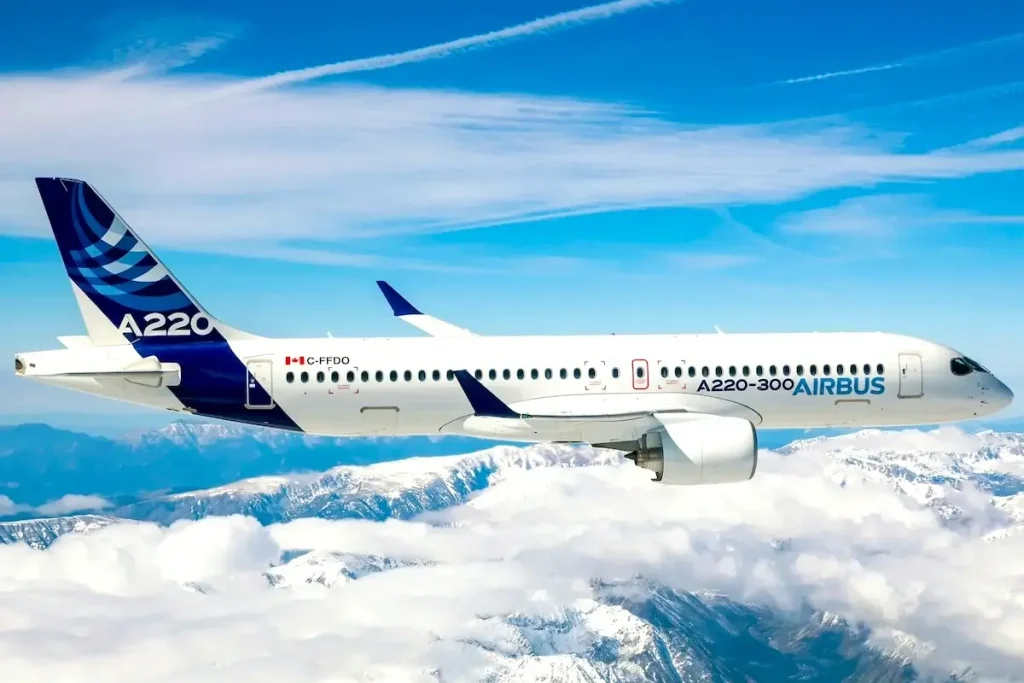
The acquisition further aligns with the business’s growth, seeking to pounce on other opportunistic portfolios to shape its own composition. This follows a fleet of 309 aircraft and engines managed by the business and includes new orders for many other aircraft, such as the A220-300 and its competitor, the Embraer E2 series.
A220 Program Update: What’s Going On?
The A220 program in 2026 continues to gain traction; however, Airbus still needs an edge to reach break-even after nearly a decade since acquiring the CSeries from Bombardier in 2018.
Deliveries across 2025 reached nearly 100 units, making the jet one of its best sellers throughout the year, naturally behind the A320 family. This was supported this year by the handover of the 500th jet to airBaltic, the Latvian carrier, which wants to fly 100 of this model by the end of the decade.
However, product ramp-ups are pivotal; the planemaker is targeting a hopeful 12 units per month by year’s end, down from the 14 target that has long been cited as critical to break even on the program. While a minimal increase. This final jump in figures is harder to reach amid Pratt & Whitney GTF engine shortages and a partial global grounding in recent years for engine overhauls, whether for maintenance or inspections.

The planemaker continues to seek ways to stabilise production and ease ongoing supply chain constraints to better meet demand. Reaching breakeven on the aircraft in more ways than ultimately one after a turbulent decade marked by many external crises outside of Airbus’ control, but still directly impacting the status of its commercial airplanes division, is vital.
What About The Rumoured A220-500?
Further to breaking even on the A220 series and taking the next meaningful step in innovation, ongoing reports suggest that the A220-500 is being courted for a possible 2026 launch, despite missed production-rate windows following supply-chain complications.
This A220-500 serves as a seat-stretch, with earlier this year reports indicating that pre-orders were being offered for a 170-180 stretch on the A220-300, with a possible Farnborough Airshow launch this July if all pans out.
A lot must go right for a launch to happen; however, the business would seek 2-3 anchor airlines to support the program before giving it the formal green light. One interested party has been Breeze Airways, which has for years advocated for a -500 model to bridge the gap with the A320neo without adding further complexity to its operations with a new model, instead maintaining commonality.
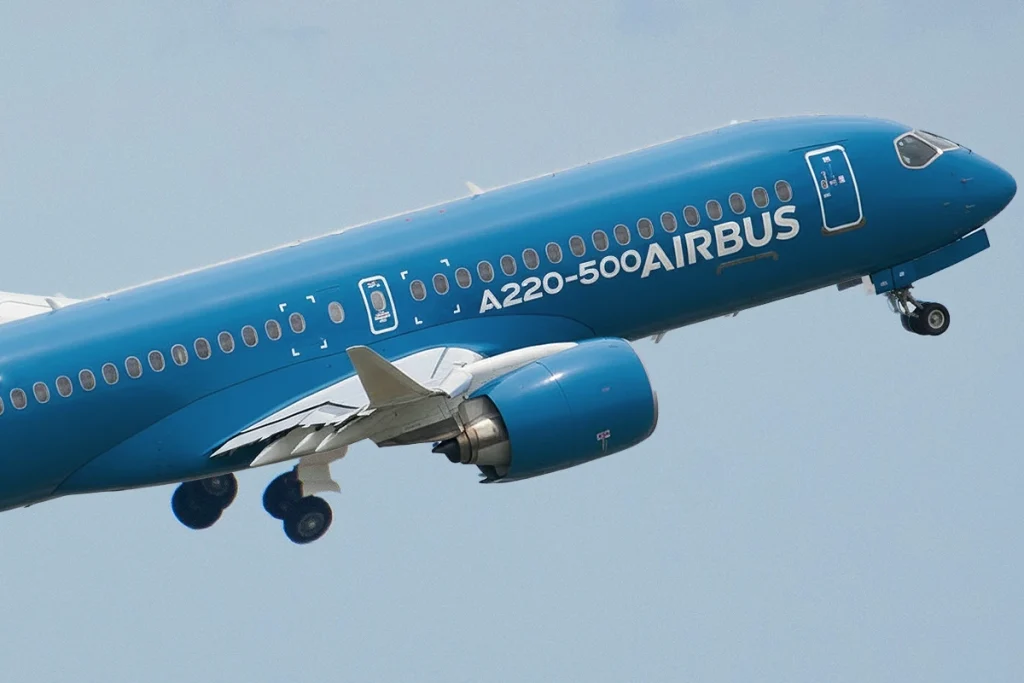
Unfortunately, for some time, breakeven has been cited as a focus before innovation can formally progress. CEO Faury insists that this is important to avoid further GTF engine or supply chain woes. Now, the program is nearing a cash-positive sight; it is within sight for the first time.
Ultimately, delaying potential launches can also harm the business, as competitors are ideally positioned to capture airlines awaiting launches, as with Boeing’s failed NMA, which led carriers to look toward Airbus and the A321XLR after years of patience that went unrewarded.

ABOUT THE AUTHOR
Daniel Fowkes is a Melbourne-based aviation analyst and journalist with over a decade of industry experience. As founder of Dj’s Aviation, he delivers trusted analysis on aircraft, airline strategy and global aviation trends for djsaviation.net
Related Articles




Stay Informed
Get the latest aviation news, analysis and route updates delivered to your inbox.
We respect your privacy. Unsubscribe at any time.
Enjoyed this story?
Make us your go-to for aviation news
Add us as a preferred source on Google and see our latest stories first in Top Stories.
Add Us On Your News FeedRelated articles
· Airlines
· Airbus A380
Would The Airbus A380 Work In India?
Bryan Shelmon
24/09/2026
· Aircraft
· Airbus
· Airlines
Airbus’ Forgotten A350-800 Order
Bryan Shelmon
24/09/2026
· Aircraft
· Airbus
· Routes
Airbus A321XLR Route Map: How One Jet Opens Thin Long-Haul Market
Bryan Shelmon
23/09/2026
· Analysis
· Airbus
· Aircraft
· Boeing
Airbus A350-1000 vs Boeing 777-9: The Next-Gen Widebody Matchup
Bryan Shelmon
22/09/2026