
Aircraft shortages are a common theme across the industry. However, those difficulties are expected to continue moving into future years.
Major global aircraft lessors, such as Air Lease Corporation, have recently publicly stated that returning to standard available capacity will take much longer than initially anticipated.
Ultimately, the shortages have quickly become a multi-year problem and will likely not smooth out until closer to the end of the decade.
Manufacturing delays are part of the problem, and Airbus and Boeing, the two leading plane makers, are not meeting targets.
These companies are tasked with producing new aircraft for airlines and keeping up with the demand rate as best they can.
Unfortunately, planemakers have had an incredibly challenging few years, and meeting demand has been nearly impossible.
These words were also confirmed by the executive chairman of leading global aircraft lessor Air Lease Corporation, responsible for hundreds of aircraft in the sky today.
The chairman stated that neither Airbus nor Boeing has been able to meet any of their production targets recently, and the subsequent knock-on effect is considerable for airlines awaiting their planes.
The key is for Airbus and Boeing to increase their production rates to meet the demand for aircraft. However, there are unknowns on when this will be able to take place given the persistent challenges.
Lessors see high demand as airlines scramble to secure aircraft. However, they can not meet all this demand because they lack aircraft available.
Airlines Hurting After Delayed Aircraft
This feeling has been felt primarily by companies publicly discussing their challenges due to a lack of available capacity.
The lack of availability for plane makers has worsened, leading to the need to compensate airlines, who feel the financial strain stemming from their expected aircraft not arriving on time.
Lufthansa has been among the hardest hit by its rebuilding efforts, which were derailed by delays in acquiring new planes.
Furthermore, it has been forced to retain older, less efficient types, which, given the required additional maintenance, cost the carrier a fortune to manage.
Emirates’ most recent acquisition, the A350, was delayed several months, pushing back the launch of many exciting routes.
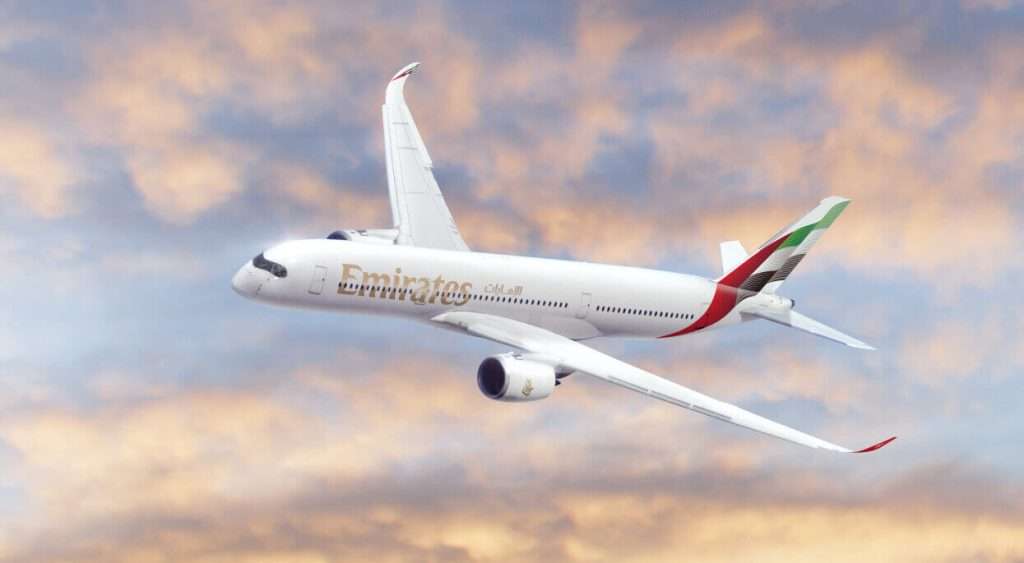
This new model was meant to arrive by mid-2024 but could only enter commercial service at the beginning of January 2025.
These are just some airlines that are affected differently by shortages and persistent delays, as highlighted by key global lessors.

ABOUT THE AUTHOR
Daniel Fowkes is a Melbourne-based aviation analyst and journalist with over a decade of industry experience. As founder of Dj’s Aviation, he delivers trusted analysis on aircraft, airline strategy and global aviation trends for djsaviation.net
Related Articles




Stay Informed
Get the latest aviation news, analysis and route updates delivered to your inbox.
We respect your privacy. Unsubscribe at any time.
Enjoyed this story?
Make us your go-to for aviation news
Add us as a preferred source on Google and see our latest stories first in Top Stories.
Add Us On Your News Feed