
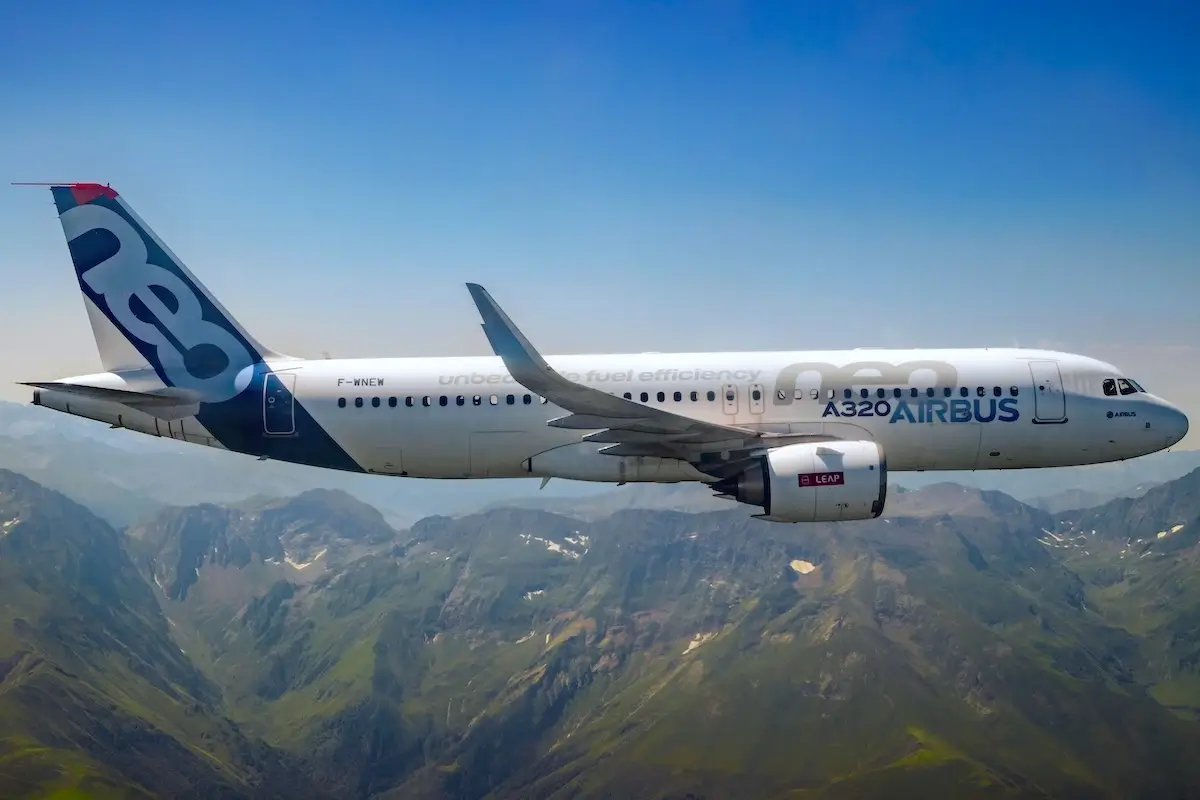
Airbus will aim to lock down an order sooner rather than later, with the customer in question being AnimaWings, a Romanian carrier.
This Romanian carrier expects to grow its fleet across 2026 with the addition of three new planes, to be delivered in February, March, and April; these deliveries are timed to enter the fleet before the summer season, when demand will skyrocket.
However, as flagged by news.ro, the company is now also very keen to secure more aircraft to align with its future growth targets; discussions with Airbus are well underway to boost the fleet substantially.
Animawings has a tiny fleet, with just five aircraft, four listed as active based on fleet data made available at the beginning of November, including a commitment to the Airbus A220 program and the A320, with three and two jets, respectively.
The airlines’ commitment to the A320 makes it their oldest aircraft by average age, at around 14 years, whereas the A220 is the youngest and has been key to improving efficiency.

For the business, however, it lies in the future where there remains significant interest, with the hope that in the coming years and by the 2027 to 2028 mark, there’ll be 18 aircraft in the fleet, and 2026 will already represent an almost doubling of the business thanks to the acquisition of more Airbus planes.
With a strong focus on European routes, the plan is to begin expanding in the region, with flights to London Gatwick and Geneva made possible as more aircraft are delivered and the company gains greater confidence in supporting customers’ tenancies for flying.
Airbus Availability Under Stress
While Airbus can listen to AnimaWings’ request for new aircraft, as it’s currently targeting a fleet of 18 planes over the next two years, with an evident ambition to grow further after this, there remains some complexity around this plan.

Airbus’ backlog is strong, almost some airlines would argue too strong, so that for businesses requiring a more immediate capacity boost to their operations, they will not be able to do this with direct manufacturers unless rare windows open or they have pre-existing contracts.
Take the A320neo family, which is sold out through the 2030s. The only solution now for customers requiring capacity is to look to the leasing market and, through availability, lease slots with lessors, but even that is becoming scarcer.
As a result, interim solutions include looking at available A320ceo-family aircraft or being patient and understanding that, if purchases are to be from the source, deliveries may not be as immediate as one would’ve hoped.
While Airbus, in the case of AnimaWings, may not be able to be the sole provider of the fleet growth expected over the next two years, depending on how contracts pan out, there’s hope that it could be there later down the line.

With AnimaWings also targeting one day a fleet of 36 aircraft driven by the strong potential that is being shown through Romania, which has not been fully captured, investments now for the future could be pivotal to giving what is still a relatively new airline to the industry a genuine chance to be one of the leading choices moving forward.
Recent investment across regional and major airports has only started to become noticeable, the airline’s CEO said during a recent event, and cities are beginning to benefit, with traffic also improving. The business hopes this upward trend will continue after recording a net profit in 2024.

ABOUT THE AUTHOR
Daniel Fowkes is a Melbourne-based aviation analyst and journalist with over a decade of industry experience. As founder of Dj’s Aviation, he delivers trusted analysis on aircraft, airline strategy and global aviation trends for djsaviation.net
Related Articles




Stay Informed
Get the latest aviation news, analysis and route updates delivered to your inbox.
We respect your privacy. Unsubscribe at any time.
Enjoyed this story?
Make us your go-to for aviation news
Add us as a preferred source on Google and see our latest stories first in Top Stories.
Add Us On Your News Feed