
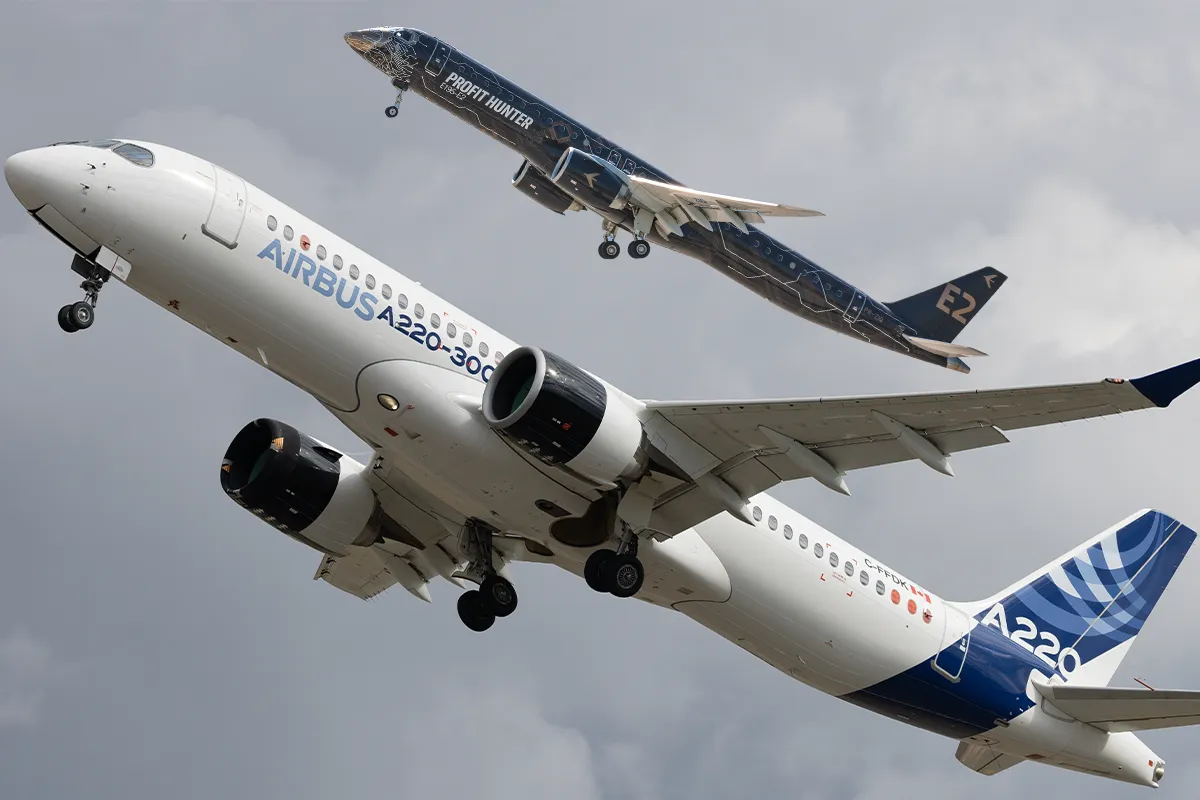
The Airbus A220 and Embraer E2 will compete for Turkish Airlines‘ upcoming dedicated regional jet fleet, with a potential deal stretching to up to 30 units.
With just one platform to be ordered rather than a mixed fleet, the airline has narrowed it down to the two leading options from Airbus and Embraer after reported interest in Boeing and the 737-7 diminished.
The airline has studied the capacity, operating economics, delivery timeframe and other related costs to narrow it down to the A220 and E2 families, with a decision looming.
For Turkish Airlines, the contract is part of its broader commitment to new aircraft as it scales significantly to become one of the world’s largest airlines. However, this regional component marks a new era for the airline, with its current reliance on the A320 and 737 families for short- to medium-haul routes.
A move towards either the A220 or E2 would form part of efforts to give thinner and regional short- to medium-haul markets access to a more sustainable platform. Additionally, the A321neo and 737 MAX, while vital aircraft within the industry for specific cities, offer too much capacity, and with population increases, regional capacity is therefore becoming increasingly important.
A220 Goes Up Against Embraer’s E2
The competition between the Airbus A220 and Embraer E2 families is nothing new; the two aircraft compete directly with each other for most airlines seeking a next-generation regional-type aircraft to evolve their fleets.
Both planes are modern options with modern engine designs, lower fuel consumption rates, improved trip costs and cabins that ensure quieter journeys for those aboard. However, the question for Turkish Airlines now lies in what is better suited to its fleet mix.
If Turkish Airlines wants a larger aircraft to meet growing demand even on regional segments, Airbus’ A220-300 would be considered by analysts as the leading candidate. Its capacity for 120 to 150 passengers, with scope for further growth through cabin refinements, offers different opportunities to the E2 family.
Whether in secondary European, North African or Middle Eastern cities, this base is appealing thanks to its extended capabilities over typical regional jets that have come before it. Turkish Airlines is already a strong Airbus operator; thus, while a new family is unavoidable if seeking regional jets, ensuring compatibility with its A320neo fleet is another consideration, even with separate type rating and maintenance platforms.
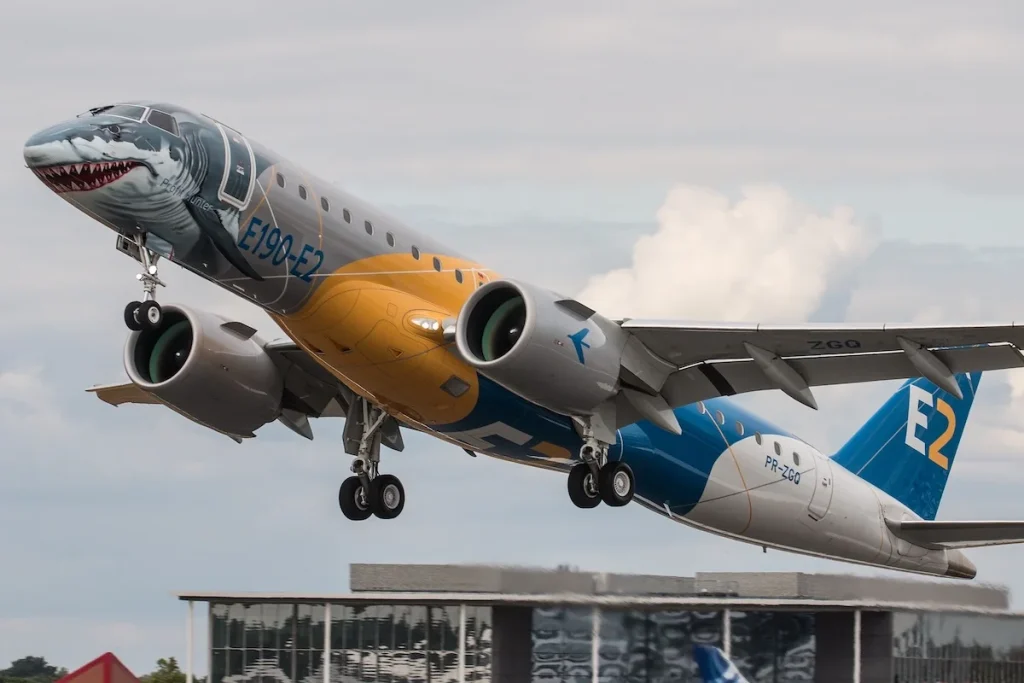
Embraer, however, has seen its backlog pick up pace with record-breaking results in 2026; the proposition it puts forward is a smaller and more versatile alternative. The E190-E2 and E195-E2 are suited to routes where Turkish Airlines wants to maintain frequency without the risk of trying to fill a larger 737-type aircraft.
A broader operating package is something Embraer has also put forward to Turkish Airlines, with aircraft, pilots, power-by-the-hour support and an offer that directly addresses the concerns of building out a new regional aircraft fleet from scratch, with its added complexity and bringing another planemaker into the mix.
Why Does Turkish Airlines Want Regional Aircraft?
The development of its network drives Turkish Airlines’ push for the Airbus A220 or Embraer E2 families, not strictly a need to replace existing smaller aircraft. The airline, as part of its ambitious growth targets by the mid-2030s, wants to serve secondary destinations in markets where its larger aircraft are not economical.
As competition from low-cost airlines rises in the core regions it serves, the focus cannot strictly be on international widebody flying. While narrowbodies will play a vital role in the future of Turkish Airlines, it’s the step down with a regional-type aircraft that now has to be considered.
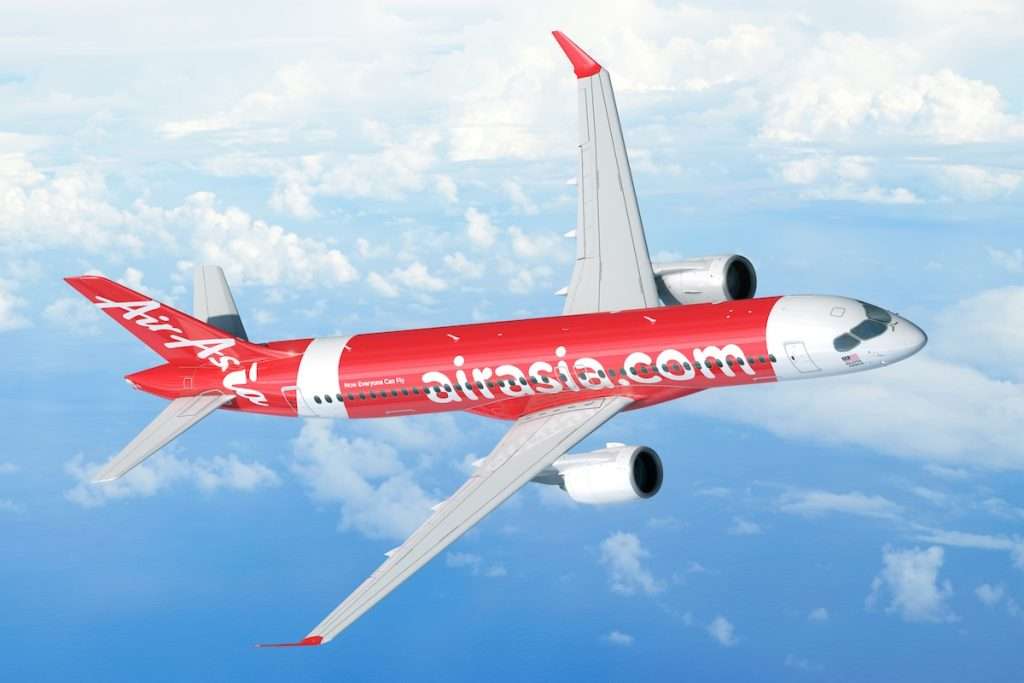
These Airbus and Embraer aircraft, whether in Turkey or Asia, with the recent record-breaking AirAsia A220 contract for 150 units, enable thinner routes to be operated at a lower risk than with a 737 or A320neo type aircraft.
By using a tailored aircraft, Turkish Airlines could increase frequency on existing thinner routes and open new city pairs that feed its long-haul network at Istanbul Airport, while also improving their feasibility. Without a regional type, Turkish Airlines would be putting its margins, load factors, and ultimately the viability of these services at risk.
For the moment, no decision has been made, and Chairman Murat Şeker says that discussions with both manufacturers are ongoing as they present technical and production commitments. Still, the decision has been narrowed down to two planemakers.

ABOUT THE AUTHOR
Daniel Fowkes is a Melbourne-based aviation analyst and journalist with over a decade of industry experience. As founder of Dj’s Aviation, he delivers trusted analysis on aircraft, airline strategy and global aviation trends for djsaviation.net
Related Articles




Stay Informed
Get the latest aviation news, analysis and route updates delivered to your inbox.
We respect your privacy. Unsubscribe at any time.
Enjoyed this story?
Make us your go-to for aviation news
Add us as a preferred source on Google and see our latest stories first in Top Stories.
Add Us On Your News Feed