
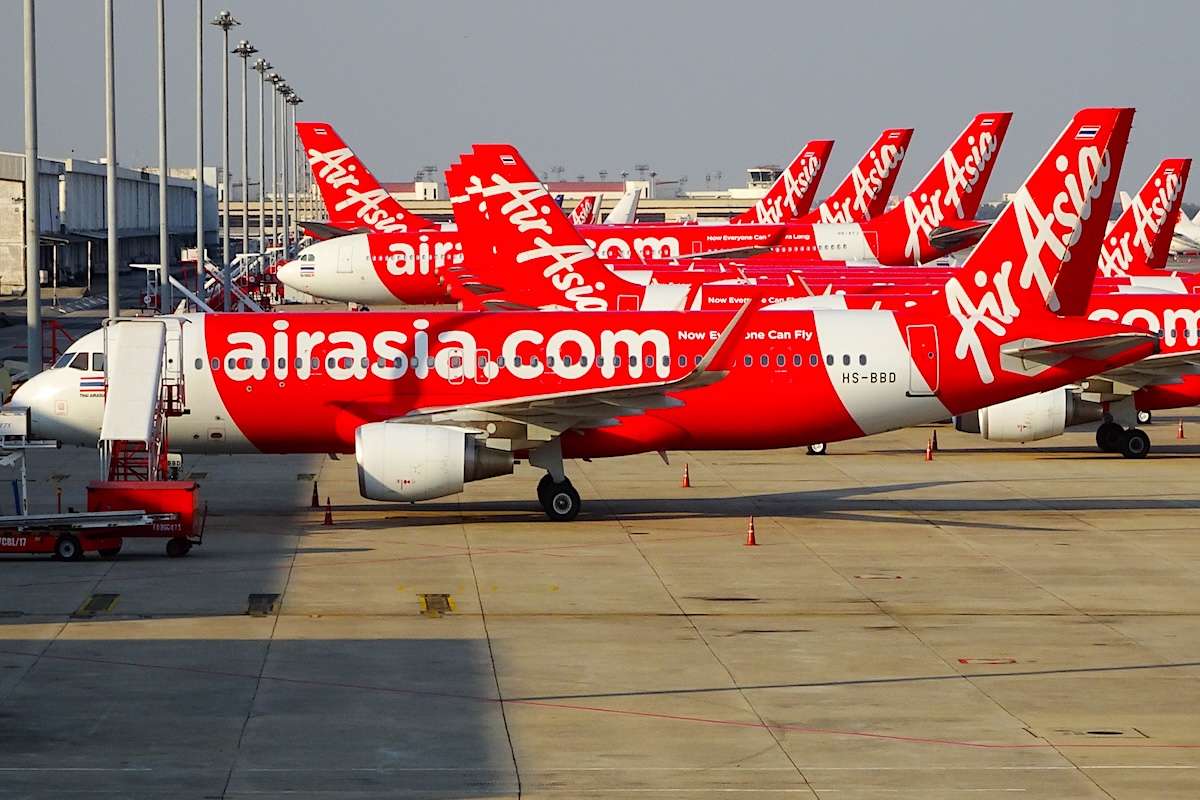
AirAsia X has fallen behind on key supplier payments and is now being forced to request additional time and the deferral of rental payments for part of its fleet.
Following the outbreak of conflict in Iran and the resulting instability in fuel prices, paired with consequential economic volatility, the aircraft has seen its business model tested, as expected.
The deferral of payments on a reported 16 aircraft isn’t worthy of alarm bells; the airline insists it’s still seeking new funding and has strong earnings. What the business must do, however, is continue to budget accordingly and make calculated decisions on whether the latest economic shock to hit the industry this decade.
AirAsia’s Latest Payment Saga
According to Bloomberg reporting, payments to suppliers and aircraft lessors have fallen behind this year. Rolls-Royce is notifying AirAsia that it has missed a payment under its TotalCare engine maintenance agreement, which covers its Trent engines and is a key part of the aircraft in the fleet.
Additionally, the airline has been forced to approach leasing companies, with around 16 aircraft confirmed to require payment deferrals to help generate some stability. At the same time, jet fuel prices remain high, and their trajectory is difficult to predict in the months to come.
The Group CEO, Bo Lingam, said that some lessors he has found have been understanding, and, with that in mind, for a difficult situation that’s beyond the business’s control, extra time has been granted on specific payments.
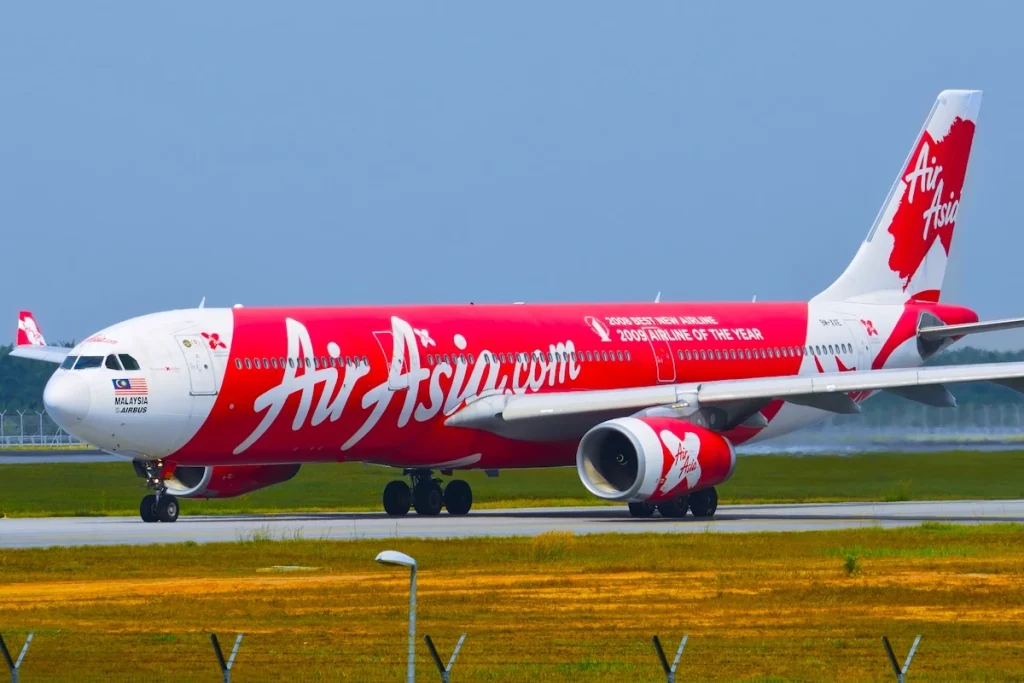
To ensure that these late payments and aircraft deferrals do not balloon into more jets or become a persistent theme that looms over the business, it has been making necessary operational changes.
As part of the changes, AirAsia has sought to axe underperforming flights that might otherwise have remained on the network, and there has been no other economic crisis to deal with. Furthermore, changes to how the airline meets demand and even handles contracts are all part of ongoing assessments and actions.
Why This Airline Is Hurting More
For every airline, industry volatility hurts in different ways. The 2026 fuel crisis has hit budget carriers especially hard, as they operate on tight margins. The overnight ballooning of fuel costs has further eroded margins and made routes that were slightly profitable in the past rapidly unviable to continue servicing.
Additionally, AirAsia X does not hedge its fuel costs. As a consequence, it absorbs the full price surge, assuming that incidents like these may not have occurred in prior years. When the Iran conflict broke out, it had already sold tickets at the previous price point, and with fuel bills exploding, it became a juggling act.
IATA, among others, confirms airlines’ reports that the latest fuel spikes will take a toll on annual performance and could push some airlines into uncharted territory. AirAsia already reported a net loss during the first quarter, with the fuel prices a key catalyst.
Despite the loss, AirAsia continues to work towards growth; its record-breaking group order for 150 of the Airbus A220 is part of a shift in strategy that’ll pivot away from widebodies and focus on using more single-aisle jets to regional and medium to long-haul markets with a capacity that’s manageable and less risky on the bottom lines.
The deferrals and late payments are not out of the ordinary, as Tony Fernandes, a key leader at the business, has flagged. Given the volatility in the industry, this pattern will become more common in the future without some form of permanent stability in the Middle East.
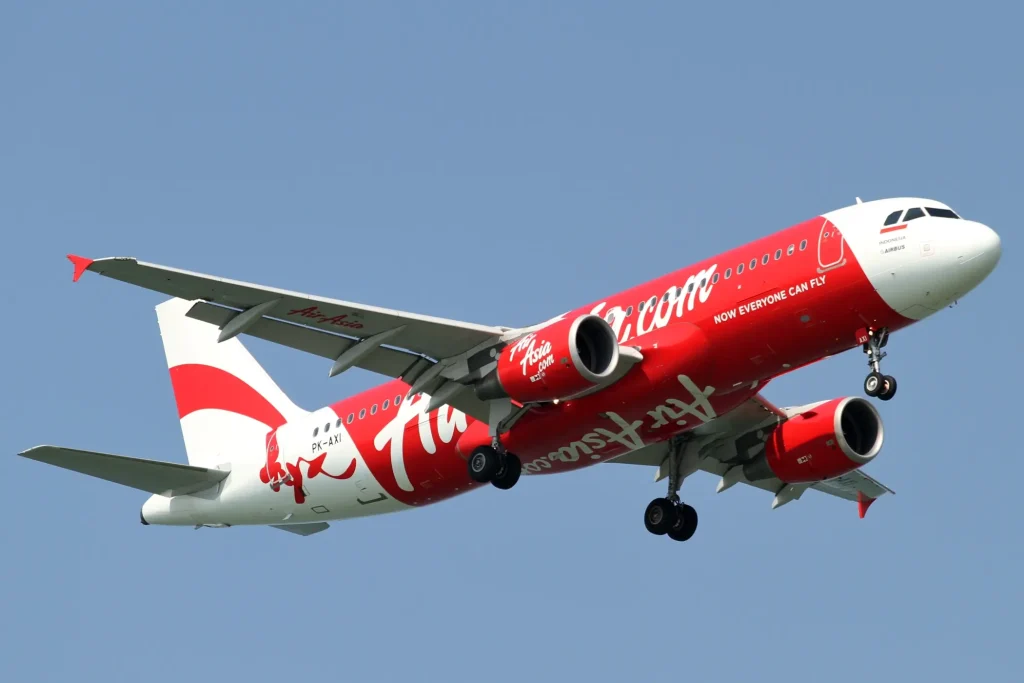
With diligence and calculated decision-making, there is no reason to believe the airline will have this crisis define its future. Additionally, the airline argues that its position remains strong; it’s not in distress, with strong earnings before costs, new funding, and such.
Ultimately, debt is still important to factor in; with debt higher than equity and earnings, share prices have also been turbulent. While dealing with the struggles any airline faces, it remains confident and optimistic, with its own set of circumstances.

ABOUT THE AUTHOR
Daniel Fowkes is a Melbourne-based aviation analyst and journalist with over a decade of industry experience. As founder of Dj’s Aviation, he delivers trusted analysis on aircraft, airline strategy and global aviation trends for djsaviation.net
Leave a Reply
Related Articles

Stay Informed
Get the latest aviation news, analysis and route updates delivered to your inbox.
We respect your privacy. Unsubscribe at any time.
Enjoyed this story?
Make us your go-to for aviation news
Add us as a preferred source on Google and see our latest stories first in Top Stories.
Add Us On Your News Feed
I could not refrain from commenting. Exceptionally well written!