
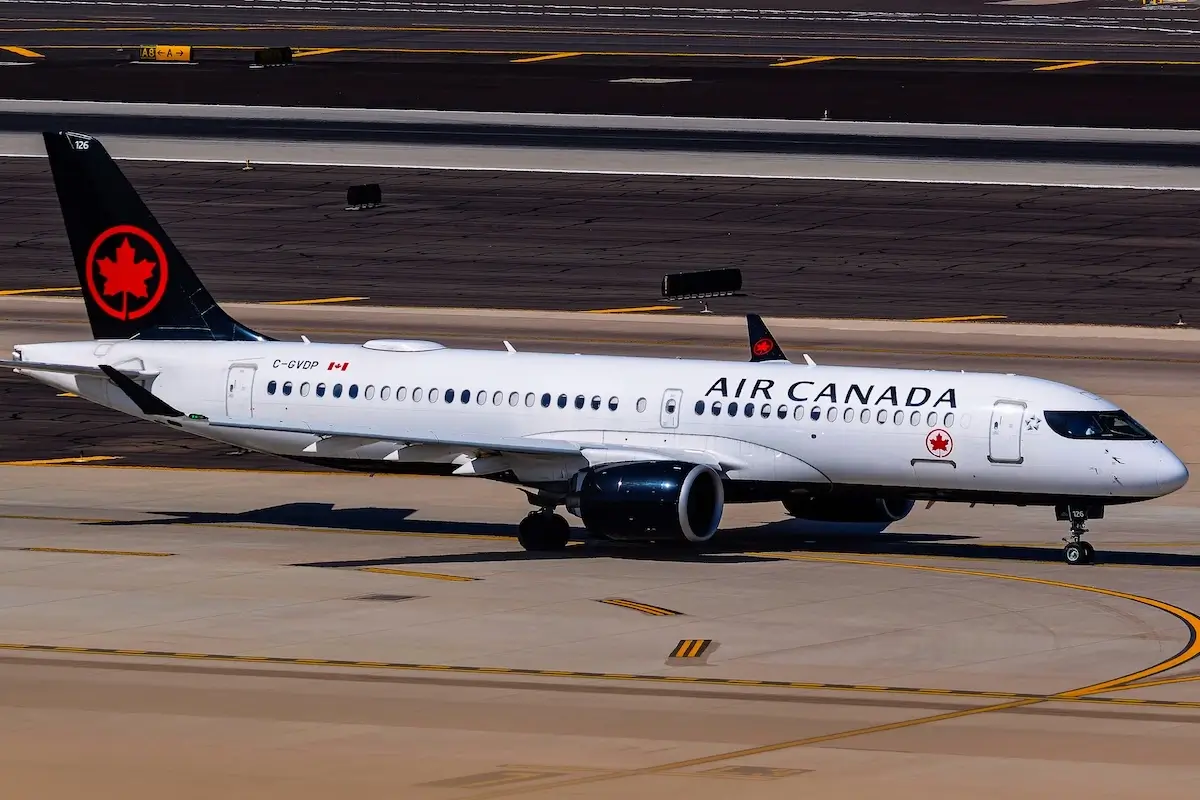
Air Canada has quietly withdrawn plans to operate its Montreal-Seattle service during the Northern Summer 2026 season.
Flagged by aeroroutes.com, a reputable publication covering route news, the route was previously expected to resume on 1 May 2026 with 6 weekly flights.
Additionally, the airline had planned to scale this up to 7 weekly, or daily, flights on its Airbus A220-300 from 8 September 2026 to meet strong peak-season demand.
However, instead, the route will not return for the Summer period, with the business prioritizing the deployment of aircraft elsewhere across its network, at least for the moment and this year.
The previously provided route is an important connection between two prominent tech and business markets across North America.
Air Canada Route Overview
Typically, the schedule filing showed that Air Canada planned to operate flight AC515 from Montreal Trudeau (YUL) at 1650 local time, arriving in Seattle (SEA) at 1946.
The return flight AC514 is scheduled to depart Seattle at 0730 and arrive in Montreal at 1537. It is a six-weekly service that later becomes seven-weekly, serving not just business but also leisure travelers during the busy summer season.
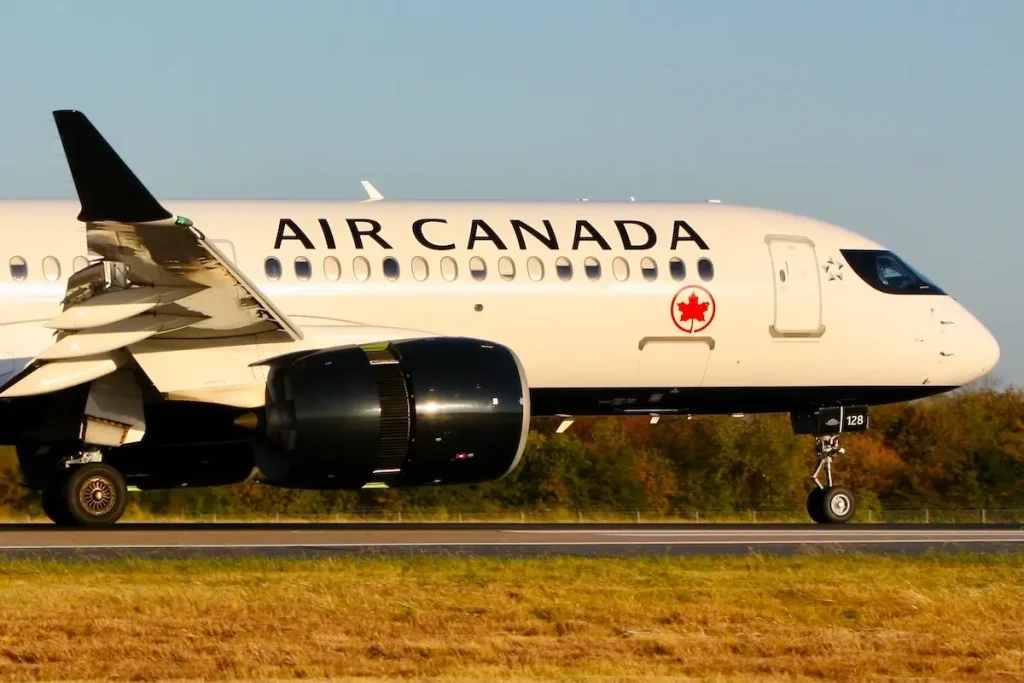
Additionally, the route establishes further transborder network ties, but within a relationship that has become more strained and has seen changes in traffic trends, necessitating adjustments to capacity and the strategic deployment of aircraft to markets where customers are more than ever choosing to fly.
Despite the change, Seattle remains served well by several Canadian ports, such as Toronto and Vancouver. For Montreal, this is now evidently a link that is not feasible to return during the Northern Summer 2026, but also a chance to return next year.
The Airbus A220 Role In Air Canada
The Montreal-designed Airbus A220 has been central to the development of Air Canada’s route network, especially for North American routes that require a more modern solution that delivers not only efficiency but also greater flexibility.
The A220-300 has adequate range, capacity, and cost advantages over previous-generation aircraft and is ideally suited for longer thin routes such as Montreal to Seattle, where other possible alternatives would be less economical and less ideal.
With interest also held in the Airbus A220-500, a prospective stretch variant to the -300 and a broader program likely to be released in due course, this could very well, if bought and launched, only further increase the importance of this single-aisle on the network moving forward.
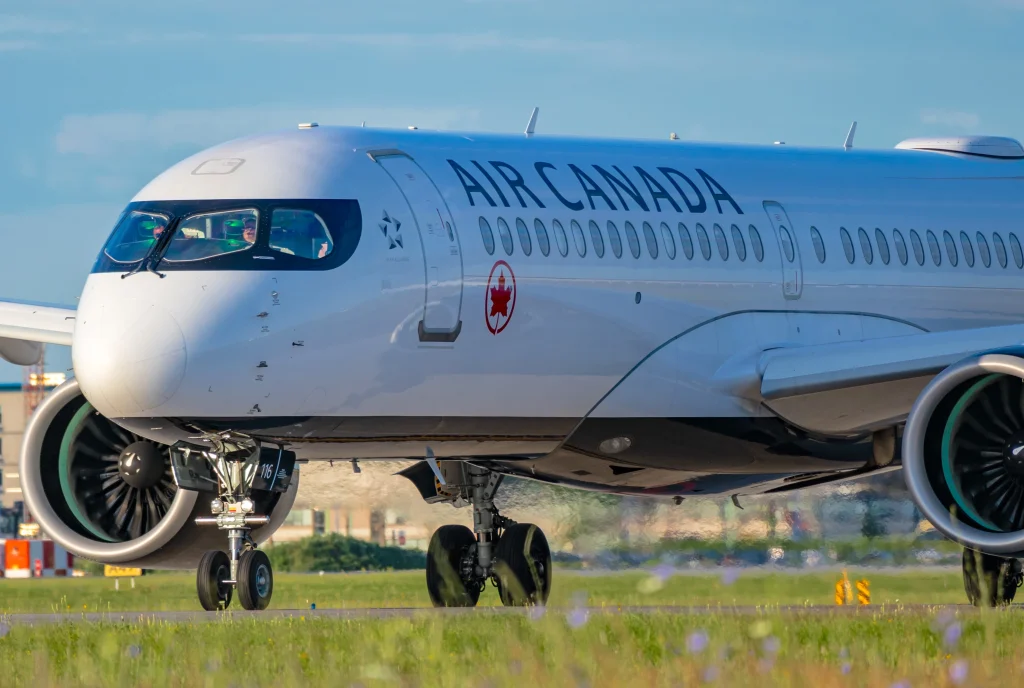
Additionally, the flexibility this aircraft offers means it can, on a continued basis, be swapped out where neccesary by the airline and redeployed to other markets. This is part of what has made next-generation jets so favourable for airlines, that very flexibility.
When factoring in the removal of the MAX to the Rouge branding and the reliance on the A321XLR, the A220 will complement the XLR model and work in tandem to serve the short- to medium-haul network well into the 2030s.

ABOUT THE AUTHOR
Daniel Fowkes is a Melbourne-based aviation analyst and journalist with over a decade of industry experience. As founder of Dj’s Aviation, he delivers trusted analysis on aircraft, airline strategy and global aviation trends for djsaviation.net
Related Articles




Stay Informed
Get the latest aviation news, analysis and route updates delivered to your inbox.
We respect your privacy. Unsubscribe at any time.
Enjoyed this story?
Make us your go-to for aviation news
Add us as a preferred source on Google and see our latest stories first in Top Stories.
Add Us On Your News FeedRelated articles
· Airlines
Allegiant Air Buys Six More 737-8s From Boeing
Daniel Fowkes
26/10/2026
· Airlines
Emirates vs Qatar Airways: The Gulf Superhub Rivalry Compared
Bryan Shelmon
26/10/2026
· Airlines
Riyadh Air Is Moving Away From Riyadh
Daniel Fowkes
26/10/2026
· Airlines
Emirates Isn’t Worried At All
Daniel Fowkes
25/10/2026