
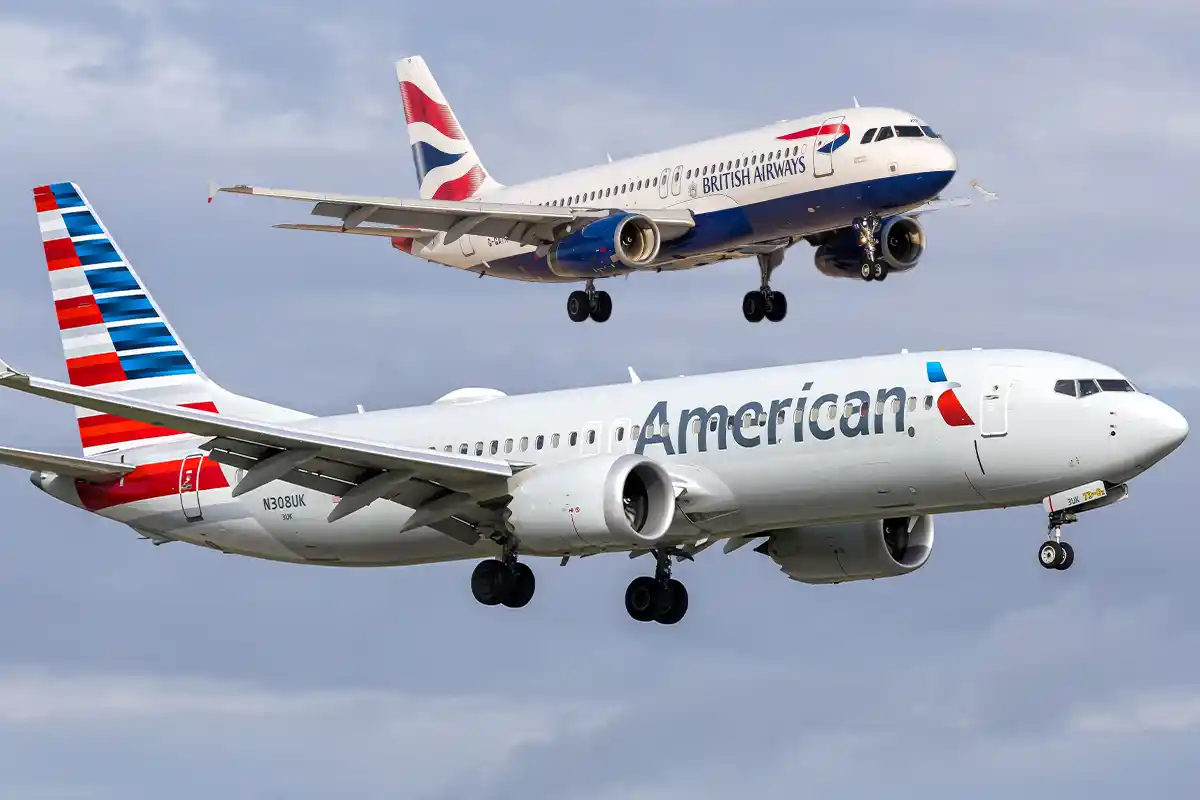
Two aircraft carry the bulk of the world’s short- and medium-haul passengers, and if you’ve flown anywhere in the past three decades, you’ve almost certainly sat in one of them. The Airbus A320 vs Boeing 737 rivalry isn’t just an industry talking point; it shapes which routes airlines can fly, how wide your seat is, and even how the pilot’s control column works.
Both are twin-engine, single-aisle workhorses built for flights of one to six hours, and both have been refined and re-engined for close to 40 years. But beneath the similar silhouette sit two very different engineering philosophies, and that difference matters whether you’re an aviation enthusiast, an airline planner, or simply curious about the metal you’re flying in.
Key Insights
- The Airbus A320 uses fly-by-wire, sidestick controls, and a wider fuselage, while the Boeing 737 retains a yoke-and-column setup built on a fuselage cross-section dating back to the 1960s.
- The A320neo’s cabin is roughly 3.70 m wide, compared with the 737 MAX’s 3.53 m, which typically translates to about an extra inch of seat width for A320 passengers.
- The Boeing 737 MAX 10 is the longest variant in either family at 43.8 m, but the Airbus A321neo can seat more passengers in a high-density layout (up to 244 versus 230 on the MAX 10).
- Range leadership swings by variant: the 737-7 can fly 3,800 nm, while the A321XLR is built specifically to stretch single-aisle range past 4,700 nm on transatlantic-style routes.
- Both families sit among the safest aircraft ever built, according to Boeing’s own long-running accident data, with fatal accident rates a fraction of the early jet age.
What Are the Airbus A320 and the Boeing 737?
The Airbus A320 vs Boeing 737 comparison starts with two very different origin stories, even though both aircraft ended up chasing the same job: moving 130 to 230 people over short and medium distances as cheaply and reliably as possible.
What Is the Airbus A320 Family?
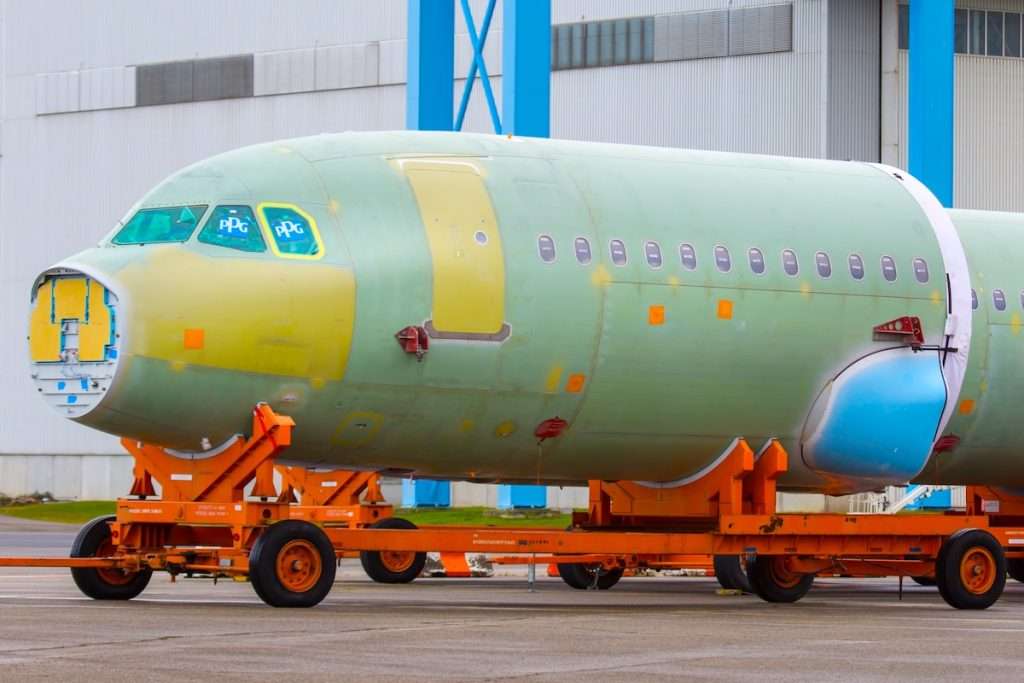
The Airbus A320 family comprises the A319, A320 and A321, plus their re-engined “neo” (new engine option) successors. The original A320 made its first flight in February 1987 and entered commercial service with Air France in 1988. It was the first commercial airliner to use full digital fly-by-wire flight controls, a decision that shaped everything from cockpit layout to how the aircraft protects itself against pilot input that would exceed a safe flight envelope. The current-generation A320neo family, launched in 2010, delivers around 20% lower fuel burn and CO2 emissions per seat than the previous generation, largely through new engine options and wingtip Sharklets.
For readers who want to track new orders, deliveries and route announcements as they happen, our Airbus news section covers the whole family in real time.
What Is the Boeing 737 Family?
The Boeing 737 is the older of the two by two decades, with the original 737-100 taking its first flight in April 1967. Boeing built it to operate short-haul routes from runways as short as 1,830 metres, and that short-field, low-to-the-ground design has stuck with every generation since. The current 737 MAX family (the -7, -8, -9 and -10) uses CFM International LEAP-1B engines and advanced-technology winglets to cut fuel use and emissions by around 20% and shrink the noise footprint by roughly 50% compared with the aircraft it replaces.
Keep across new 737 orders, certifications and incidents in our dedicated Boeing news coverage.
What Are the Key Differences Between the Airbus A320 and Boeing 737?
Once you get past the shared mission, the Airbus A320 vs Boeing 737 debate really comes down to two engineering decisions made decades apart: how the pilot controls the aircraft, and how the airframe and engines are packaged around that control philosophy.
How Do the Flight Control Systems Differ?
Airbus built the A320 around fly-by-wire from day one. Instead of cables and hydraulic linkages running from the cockpit to the control surfaces, pilot inputs are sent electronically through flight control computers, which interpret the sidestick movement and keep the aircraft within a defined flight envelope. This limits bank angle, pitch and speed to protect against stalls or overstress, even under aggressive input.
The Boeing 737, by contrast, still uses a conventional yoke and column, backed by hydraulically boosted control surfaces with mechanical cable runs as a fallback. Boeing has layered digital systems onto the MAX generation, but the underlying philosophy remains closer to direct pilot authority than to computer-mediated protection. Neither approach is objectively “safer” on its own (both aircraft operate to the same international airworthiness standards), but they do produce different cockpit workflows, training pathways, and pilot type-rating requirements.
How Do the Fuselage and Engine Designs Differ?
The Boeing 737 vs Airbus A320 airframe story is really a story about ground clearance. Boeing’s original fuselage sat low to allow ground crews to load baggage without belt loaders, and that low stance has followed every 737 generation, including the MAX. It’s why the 737 MAX needed unusually large, oval-shaped LEAP-1B engine nacelles mounted forward and slightly higher on the wing rather than simply scaling up the older CFM56 engine design; there simply wasn’t room underneath.
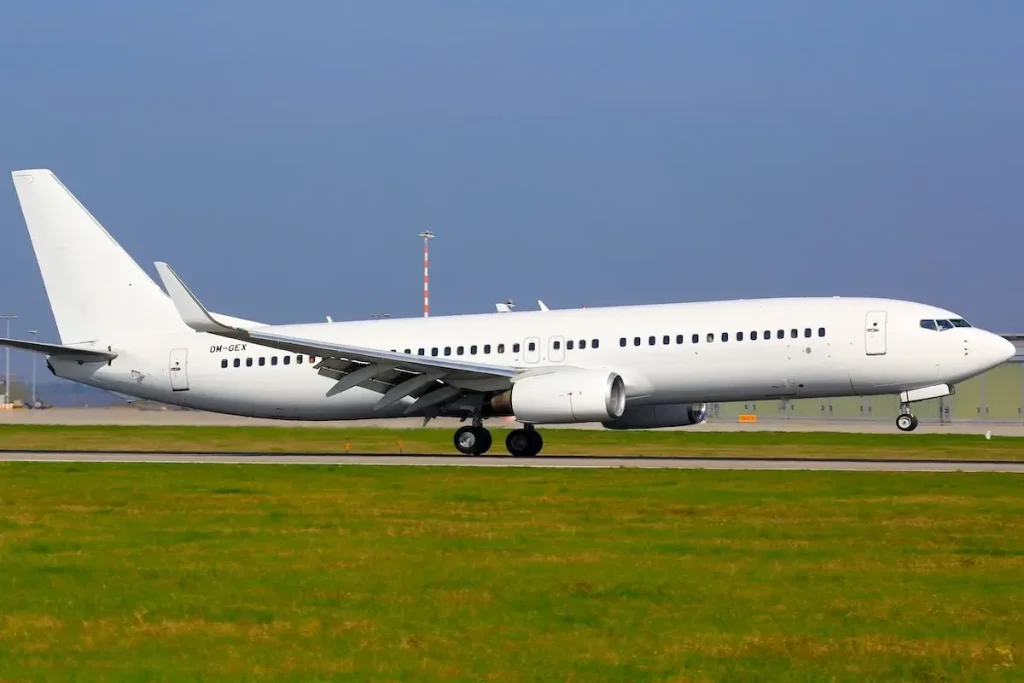
The Airbus A320 was designed later, with more ground clearance built in from the start, which let Airbus fit its own larger LEAP-1A or Pratt & Whitney PW1100G-JM engines with fewer aerodynamic compromises. That extra clearance is also part of why the A320’s fuselage is wider. Airbus wasn’t constrained by a 1960s cross-section the way Boeing was.
How Do the Airbus A320 and Boeing 737 Compare in Size and Dimensions?
Dimensions vary by variant, but the pattern is consistent: Boeing’s largest MAX model is the longest single-aisle jet either manufacturer builds, while Airbus’s cabin is the wider of the two across the board.
The current-generation A320neo measures 37.57 m long with a 35.8 m wingspan and 11.76 m tail height, and its cabin runs to roughly 3.70 m wide. Stretch to the Airbus A321neo, and you get the longest fuselage in the A320 family, built for high-density, high-frequency routes.
On the Boeing side, the Boeing 737 MAX 8 is 39.52 m long with a 35.9 m wingspan, while the Boeing 737 MAX 10 stretches to 43.8 m, making it longer than any variant of the A320 family, including the A321neo. While the 737 wins in overall length, the A320 family wins in internal width, with a cabin roughly 17 cm wider than the 737’s, since the 737’s fuselage cross-section traces back to the original 1967 design.
Which Aircraft Carries More Passengers, the A320 or the 737?
It depends on which variant you’re comparing. At the smaller end, the Boeing 737 MAX 7 seats 138 to 153 passengers in a typical two-class layout (up to 172 in a single-class high-density configuration), roughly matching the standard A320neo’s typical 150 to 180 seats (up to 194).
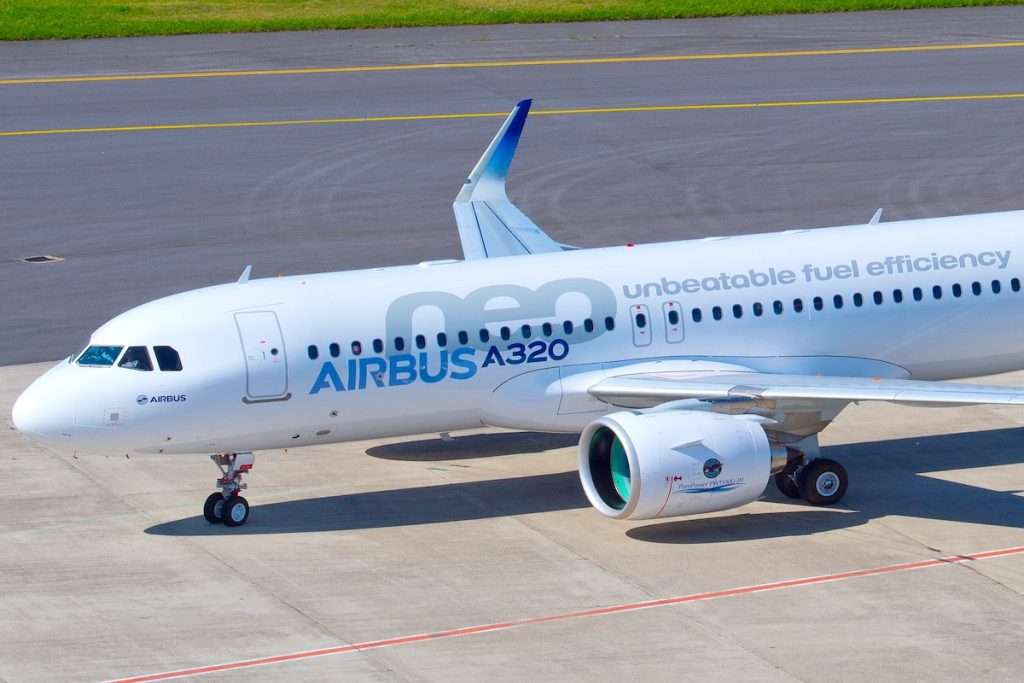
At the top end, the picture flips depending on how you measure it. The Boeing 737 MAX 10 seats 188 to 204 in two classes, with a maximum of 230, while the Airbus A321neo typically seats 180 to 220 but can be configured for up to 244 passengers in a high-density single-class layout, the highest capacity either manufacturer offers on a single-aisle jet. So the 737 MAX 10 typically carries more in a realistic airline layout, but the A321neo has the higher theoretical ceiling.
How Far Can the Airbus A320 and Boeing 737 Fly?
Range also varies significantly by variant, and this is one area where the smaller aircraft in each family often outperforms the larger one, since less structure and fewer seats mean more relative fuel capacity.
The standard A320neo has a range of around 3,400 nm, while the smallest family member, the A319neo, can fly further still. The A321neo extends that to roughly 4,000 nm, and the purpose-built A321XLR pushes past 4,700 nm, enough for genuinely long, thin transatlantic routes on a single-aisle jet, which is a capability neither the 737 nor the standard A320 was designed to match.
On the Boeing side, the smallest model, the Boeing 737 MAX 7, has the longest legs in the family at roughly 3,800 nm, ahead of the Boeing 737 MAX 8 at 3,500 nm, the Boeing 737 MAX 9 at 3,300 nm, and the Boeing 737 MAX 10 at 3,100 nm. Every additional seat row costs range, which is why airlines flying the MAX 10 or the A321neo on long sectors typically fly them with fewer than the maximum seats installed.
Which Aircraft Is More Fuel-Efficient, the A320neo or the 737 MAX?
Both manufacturers claim roughly the same headline number: a 20% reduction in fuel burn and CO2 emissions compared with the previous generation of aircraft they replace. In practice, the two aircraft are close enough on fuel burn per seat that route structure, engine choice, seating density and how an individual airline operates the aircraft usually matter more than any inherent Airbus A320 vs Boeing 737 efficiency gap.
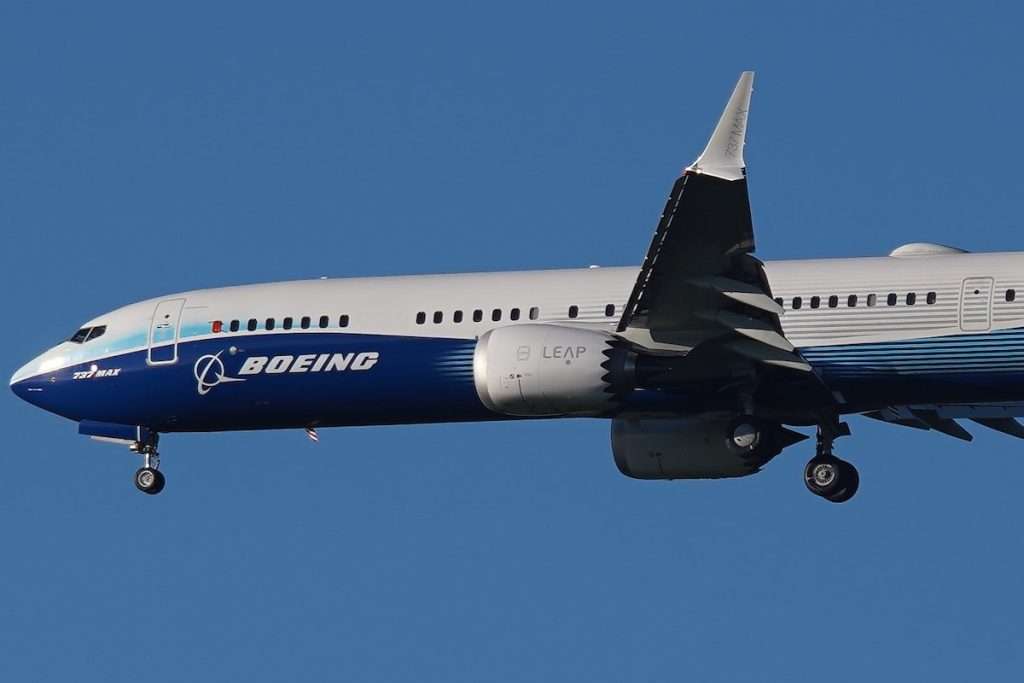
Where the MAX has an edge, it tends to come from its slightly better range-to-fuel-burn ratio on the smaller variants; where the A320neo family has an edge, it’s usually a wider engine choice and the extended-range XLR variant purpose-built for efficient long, thin routes.
How Do the Engine Options Compare?
This is one of the clearest structural differences between the two families. Airbus offers airlines a genuine choice on the A320neo family: CFM International’s LEAP-1A or Pratt & Whitney’s PW1100G-JM geared turbofan, both delivering similar headline efficiency but with different maintenance profiles and noise characteristics. Boeing, by contrast, fits the 737 MAX exclusively with the CFM LEAP-1B, a variant tuned specifically for the 737’s tighter ground clearance.
Airlines that want engine competition, and the negotiating leverage that comes with it, generally see that as an advantage of the Airbus platform; airlines that prefer fleet simplicity and a single spares pool often see the 737’s single-engine-family approach the same way.
Which Aircraft Is More Comfortable for Passengers?
For passengers, the most noticeable difference between the Boeing 737 and the Airbus A320 is shoulder room. Because the A320’s fuselage is roughly 17 cm wider inside than the 737’s, airlines flying the A320 in a standard six-abreast economy layout can typically fit around an extra inch of width per seat. It’s not a dramatic difference on a short domestic hop, but on a four or five-hour sector, it’s the kind of gap passengers do notice.
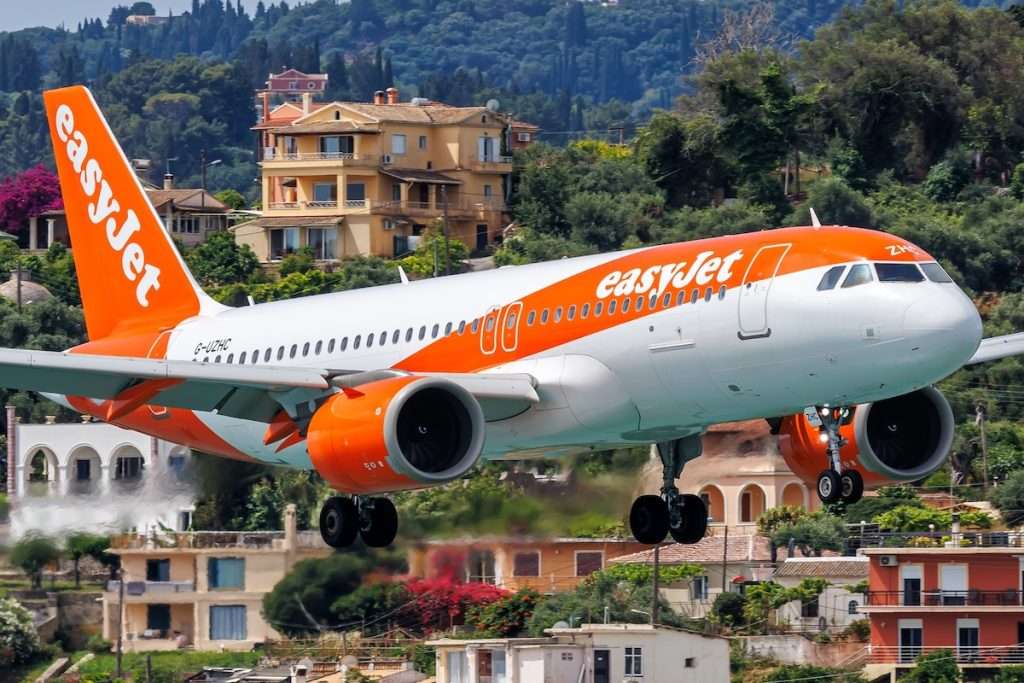
Beyond raw width, comfort on either aircraft comes down almost entirely to the operating airline rather than the airframe. Seat pitch, seat design, in-flight entertainment, lighting and overhead bin capacity are all decided by the carrier’s own cabin fit-out, not by Airbus or Boeing. A budget carrier’s high-density A320 can feel considerably tighter than a full-service airline’s 737, and vice versa. So if comfort is your main concern, it’s worth checking the specific airline and configuration rather than assuming one manufacturer wins outright.
How Safe Are the Airbus A320 and Boeing 737?
Both aircraft families sit among the safest jets ever built. Boeing’s own Statistical Summary of Commercial Jet Airplane Accidents (the industry’s longest-running independent accident database, now in its 56th edition) shows the broader commercial jet fleet has cut its overall accident rate by roughly 40% and its fatal accident rate by around 65% over the past two decades alone, even as departures grew by more than 20%. Earlier editions of that same report have historically placed both the 737 Next Generation and the Airbus A320 series among the very safest aircraft types flying, with fatal accident rates in the range of roughly 0.08 to 0.11 per million departures for each family, a fraction of the rate recorded by first-generation jets from the 1960s and 1970s.
It’s worth noting that the specific numbers shift with every new edition as more flight data accumulates, and that high-profile events (including the 737 MAX groundings following two fatal accidents in 2018 and 2019, and the 2024 Alaska Airlines door-plug incident) have shaped public perception of the MAX in particular, even though both families continue to be certified and operated to the same rigorous international airworthiness standards.
How Much Do the Airbus A320 and Boeing 737 Cost to Operate?
List prices for both families sit in a broadly similar bracket for equivalent variants, though airlines rarely pay list price, and actual contract pricing is confidential. Boeing states that the 737 MAX family delivers up to 14% lower airframe maintenance costs than competing aircraft, while Airbus points to the A320neo’s dual-engine-source configuration and common cockpit and systems across the family as ways for airlines to reduce crew training and spares costs.
Day-to-day operating costs usually come down to fleet commonality (an airline already flying one family finds it cheaper to add more of the same), route network fit, and whichever engine option an airline has negotiated the best support deal for, rather than a clear, universal cost advantage for either manufacturer. For most network carriers weighing up a Boeing 737 vs Airbus A320 order, the deciding factor is the existing fleet type and pilot training pathways more than any single cost metric.
Which Airlines Fly the Airbus A320 and Boeing 737?
Both families are flown by an enormous cross-section of the world’s airlines, from low-cost carriers to full-service network operators. Airlines with large A320-family fleets include easyJet, IndiGo, Air France, JetBlue, Qantas, Delta Air Lines and Wizz Air, alongside long-standing A320 operator American Airlines. The 737 family is the backbone of carriers, including Southwest Airlines, Ryanair, United Airlines, American Airlines and Qantas subsidiary Jetstar, among many others.
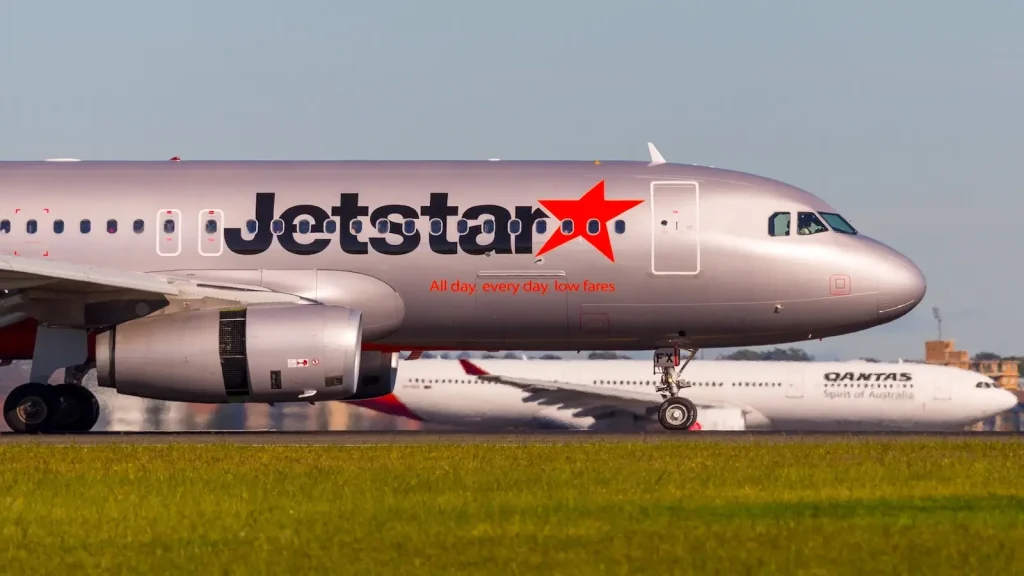
It’s common for large network carriers to fly both families side by side, using each on routes and in configurations that best fit their networks, rather than committing entirely to one manufacturer. As of the 2025 order cycle, Airbus’s order book remains dominated by the A320neo family, which alone accounted for the large majority of the roughly 8,600-plus jet backlog reported across Airbus’s single-aisle and A220 programs, while Boeing’s 737 MAX represents around three-quarters of its own unfilled orders, underlining just how central both aircraft remain to the industry’s future.
For the latest order announcements, deliveries and airline fleet decisions across both manufacturers, our aviation news today hub tracks the entire narrowbody market as it develops.
Airbus A320 vs Boeing 737: Full Specification Comparison
| Specification | Airbus A320neo | Boeing 737 MAX 8 |
| First flight of family | February 1987 | April 1967 |
| Entered service | 1988 (A320) | 1968 (737-100) |
| Length | 37.57 m (123 ft 3 in) | 39.52 m (129 ft 8 in) |
| Wingspan | 35.8 m (117 ft 5 in) | 35.9 m (117 ft 10 in) |
| Cabin width | ~3.70 m (12 ft 1 in) | 3.53 m (11 ft 7 in) |
| Typical 2-class seating | 150–180 | 162–178 |
| Maximum seating | 194 | 210 |
| Range | 3,400 nm | 3,500 nm |
| Engines | CFM LEAP-1A or Pratt & Whitney PW1100G-JM | CFM LEAP-1B (sole option) |
| Flight controls | Fly-by-wire, sidestick | Hydraulic/mechanical, yoke |
| Max takeoff weight | 79,000 kg (approx.) | 82,000 kg |
Figures reflect standard-body variants (A320neo and 737 MAX 8) for like-for-like comparison. Stretched and shrunk variants in each family (A319neo/A321neo and MAX 7/9/10) vary in length, seating and range as detailed above.
The Airbus A320 vs Boeing 737 rivalry isn’t heading for a resolution anytime soon. Both manufacturers keep stretching, re-engineering and refining their respective families, and both still command enormous order backlogs heading into the back half of the decade.
For most passengers, the choice of aircraft won’t be the deciding factor in booking a flight. But understanding what sits behind the cabin door explains a lot about why airlines make the fleet decisions they do.

ABOUT THE AUTHOR
Daniel Fowkes is a Melbourne-based aviation analyst and journalist with over a decade of industry experience. As founder of Dj’s Aviation, he delivers trusted analysis on aircraft, airline strategy and global aviation trends for djsaviation.net
Related Articles




Stay Informed
Get the latest aviation news, analysis and route updates delivered to your inbox.
We respect your privacy. Unsubscribe at any time.
Enjoyed this story?
Make us your go-to for aviation news
Add us as a preferred source on Google and see our latest stories first in Top Stories.
Add Us On Your News Feed