
Aircraft Guide · Seat Map
Boeing 737 Max 8
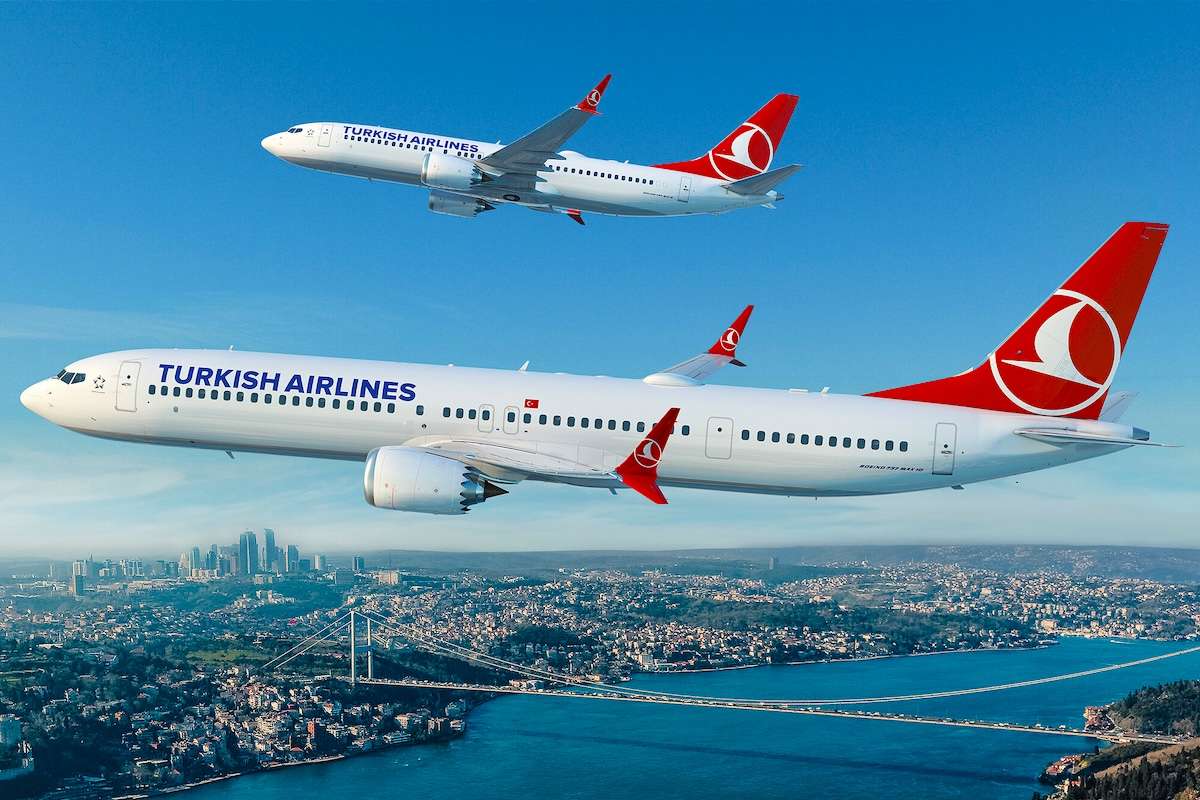
The Boeing 737 MAX 8 is the best-selling variant of the 737 MAX family and Boeing's direct answer to the Airbus A320neo. Powered by CFM International's LEAP-1B turbofans, the 737 MAX 8 replaces the 737-800 as the backbone of short- to medium-haul narrow-body flying for airlines worldwide. Dj's Aviation covers its specifications, fleet status and operators below.
Ordered 2,750+
In Service Since 2017 (Malindo Air launch)
Cruise M 0.79
Range ~3,550 nmi
Latest NewsBoeing 737 Max 8

Boeing 737 Max 8 Quick Facts
ManufacturerBoeing
TypeNarrow-body, single-aisle twinjet
First flight29 Jan 2016
StatusIn active since 2017
DimensionsL ~39.5 m (129.59 ft)
W ~35.9 m (117.78 ft)
H ~12.3 m (40.35 ft)
W ~35.9 m (117.78 ft)
H ~12.3 m (40.35 ft)
MTOW~82,190–82,250 kg (~181,200–181,320 lb)
Cruise / RangeM 0.79
~ 3,550 NM
~ 3,550 NM
Ceiling~41,000 ft
EnginesCFM International LEAP-1B
Total ordered (737 MAX family)4,788 orders
Total delivered (737 MAX family)2,318
MAX 8 share of orders2,751 MAX 8 orders
First deliveryMay 2017 (Malindo Air)
Variants
Seat Map
Hover or tap a seat for details
Business
Economy
Exit Row
Galley / Lav / Doors
12Business2-2 · 36-in pitch
166Economy3-3 · 30-in pitch
178Total24 seats at 29-in
Illustrative layout. Exact seating varies by operator and cabin fit.
History & Development
Boeing announced the 737 MAX programme in August 2011 as a re-engined successor to the 737NG, incorporating more efficient CFM International LEAP engines, split-tip winglets, and structural modifications. The MAX 8 made the programme’s first flight on 29 January 2016 at Renton Municipal Airport, and the aircraft was certified by the FAA in March 2017, with the first delivery going to Malindo Air in May 2017.
The MAX 8 replaces the 737-800 and became the volume seller of the MAX family, competing directly with the Airbus A320neo. Two fatal accidents in 2018–2019 led to a worldwide grounding lasting from March 2019 to November 2020, after which the type returned to service under increased regulatory oversight that continues to shape Boeing’s production and certification programme today.
Cabin: Seating & Configuration
The Boeing 737 MAX 8 retains the narrow 737 fuselage cross-section, configured six-abreast in economy (3-3). Across the MAX family, typical seating ranges from 138 to 204 passengers in two-class configuration, with the high-density MAX 8-200 variant (launched by Ryanair) pushing capacity toward 200–210 seats in an all-economy layout. Business/first cabins are generally recliner-style rather than lie-flat, reflecting the aircraft’s short- to medium-haul role.
Specifications
The figures below reflect commonly published data for the standard 737 MAX 8.
Performance & Range
Metric
Value
The 737 MAX 8 is designed for short- to medium-haul missions, with most operators deploying it on sectors of 500 to 2,500 nautical miles, translating to block times of roughly 1 to 5.5 hours. Transcontinental US routes and mainland-to-Hawaii services represent the upper limit of regular operations for the type.
Engines & Fuel
The Boeing 737 MAX 8 is exclusively powered by the CFM International LEAP-1B, a high-bypass turbofan developed as the successor to the CFM56-7B that equipped the 737NG. Engine control is handled by a Full Authority Digital Engine Control (FADEC) unit on each LEAP-1B, automating thrust management from start-up to shutdown.
Metric
Value
Family Variants
737 MAX 7
Smallest variant; not yet in commercial service. FAA certification is broadly expected sometime in 2026, with launch operators targeting entry into service in 2027.
737 MAX 8
Flagship, best-selling variant of the family and the primary 737-800 replacement.
737 MAX 8-200
High-density version launched by Ryanair, seating up to ~200 in all-economy configuration.
737 MAX 9
Stretched-fuselage variant with greater capacity than the MAX 8.
737 MAX 10
Largest variant. Not yet FAA certified as of mid-2026; certification is expected later in the year, with deliveries anticipated in late 2026 or early 2027.
In-Seat Amenities & Tech
Amenities vary considerably by operator. Because the MAX 8 is a short/medium-haul type, many carriers omit seatback IFE entirely in favour of Wi-Fi-enabled streaming to passengers’ own devices; others fit basic seatback screens on select routes. USB power is common but not universal. This is an airline-by-airline variable rather than a fixed spec. Always check the specific carrier’s fleet page.
Production & Timeline
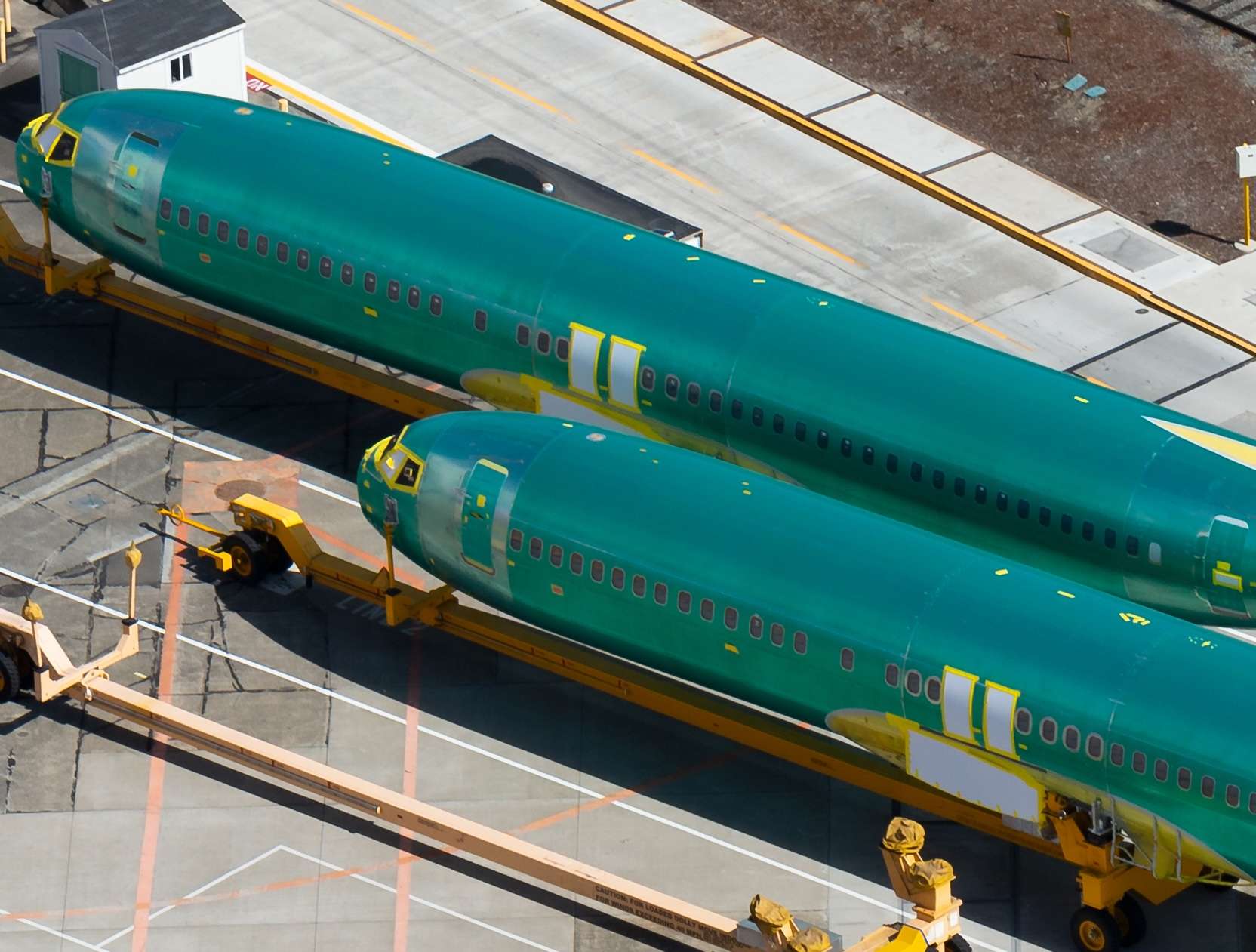
Boeing assembles the 737 MAX primarily at its Renton, Washington facility.
Milestone
Date
Aug 2011
29 Jan 2016
Mar 2017
May 2017
Mar 2019 – Nov 2020
Nov 2020
Fleet & Operators
The Boeing 737 MAX 8 is one of the most widely operated narrow-body types in service.
Operator
Role
Notes
Passenger
Basing 737-8 aircraft at Guam International as part of 737-800 fleet replacement by end of 2026
Fleet figures vary by year as airlines take delivery of new aircraft or retire older types; figures above reflect general fleet composition rather than exact current counts.
Incidents & Safety
Two fatal accidents led to a worldwide grounding of the 737 MAX fleet from March 2019 to November 2020, making the type’s safety record materially different from that of most other in-production airliners.
Notable safety events specific to (or affecting) the Boeing 737 MAX 8 include:
Related News
Aircraft News
Latest Airlines News
Carrier strategy, fleet moves & financial updates
Aircraft News
Latest Aircraft News
Programmes, retrofits & next-gen narrowbodies
Route News
Latest Route Updates
New launches, cuts & network shifts
Freight Orders & Delivery
Latest Freight Orders & Delivery News
Cargo conversions, orders & deliveries