
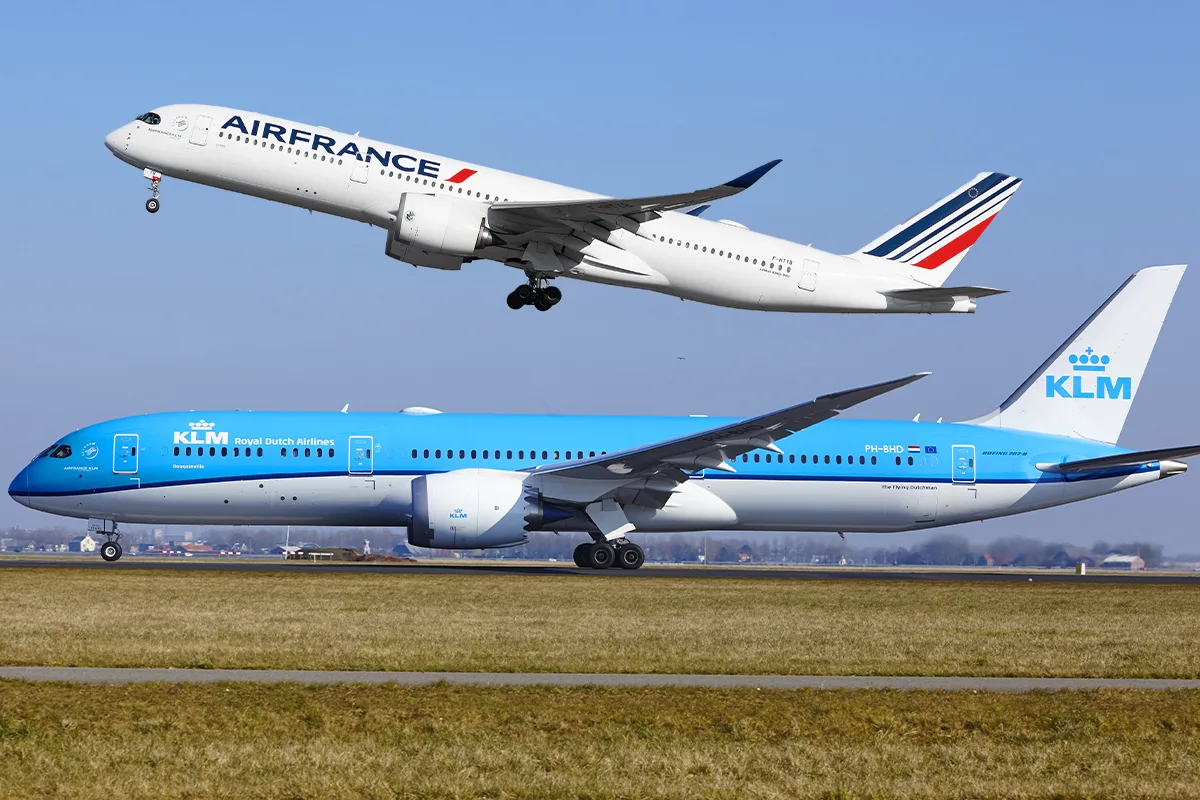
Air France-KLM has indicated that it expects its Airbus A350 and Boeing 787 fleets to remain in service for around 25 years, with a retirement becoming clearer.
The group is using its newest widebodies to modernise its long-haul operation, improve efficiency, and add capacity, and has extended the depreciation period for the A350 and 787, alongside A320neo family narrowbodies.
In its first-half 2026 report, the group extended the depreciation period from 20 to 25 years, confirming that this represented the most likely period of use for these aircraft before being removed from service.
A 25-year lifespan for these widebodies
The change for Air France-KLM is primarily for the accounting books. It doesn’t mean retirement is close, or that a retirement schedule has been completely locked in, as unforeseen changes in circumstances can push the phaseout date forward or back.
Depreciation now, however, assumes that an A350 or 787 delivered today will remain in the fleet for at least 25 years, compared with 20 previously outlined. Extending the depreciation period spreads the capital cost of each aircraft over a longer period and reduces annual depreciation expense.
Thanks to these changes, the six months through to 30 June 2026 saw the Group reduce depreciation costs by €24 million. The extension is part of further planning from management, because executives believe these aircraft will remain economically viable into the 2040s.
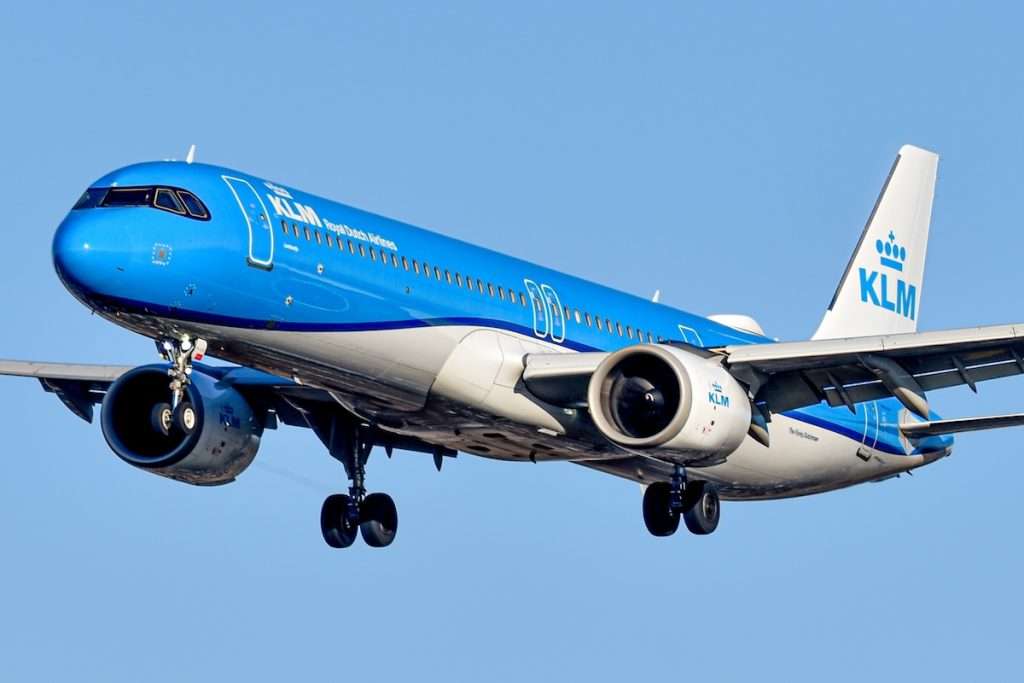
Air France-KLM stated at the end of the first half of 2026 that 42 Airbus A350-900s, 23 Boeing 787-9s, and 15 Boeing 787-10s were active within the operation. Additionally, there’s a growing Airbus A320neo family commitment with these just a few years old, including KLM’s A321neo.
The 25-year assumption means these aircraft will fly into the 2040s, and subject to market conditions and fleet requirements, be present by 2050 before a like-for-like replacement enters in their place. That timeframe is vital for planemakers also studying their next commercial aircraft and the future aircraft development programmes.
Air France-KLM extends A350 and 787 fleets
Air France-KLM’s presumption that the benchmark for depreciation at 20 years for aircraft like the A350 and 787 wasn’t inherently wrong, according to analysts. In the past, two decades was felt to be the sweet spot for previous-generation jets; however, that hasn’t guaranteed a retirement occurs then.
The European Group has been able to fly widebodies to this day, well past the two-decade mark, particularly visible through Air France’s A330s and KLM’s older 777 subfleets. These aircraft are both being slowly removed thanks to incoming next-generation jets.
However, extending the life of the newer A350 and 787s reflects different times; 25 is not just about squeezing the most out of the aircraft; it also aligns the accounts with the group’s expected period of use. That lifespan is based on past fleet decisions and understanding that technological advancements and production simplicity mean maintenance will be easier.
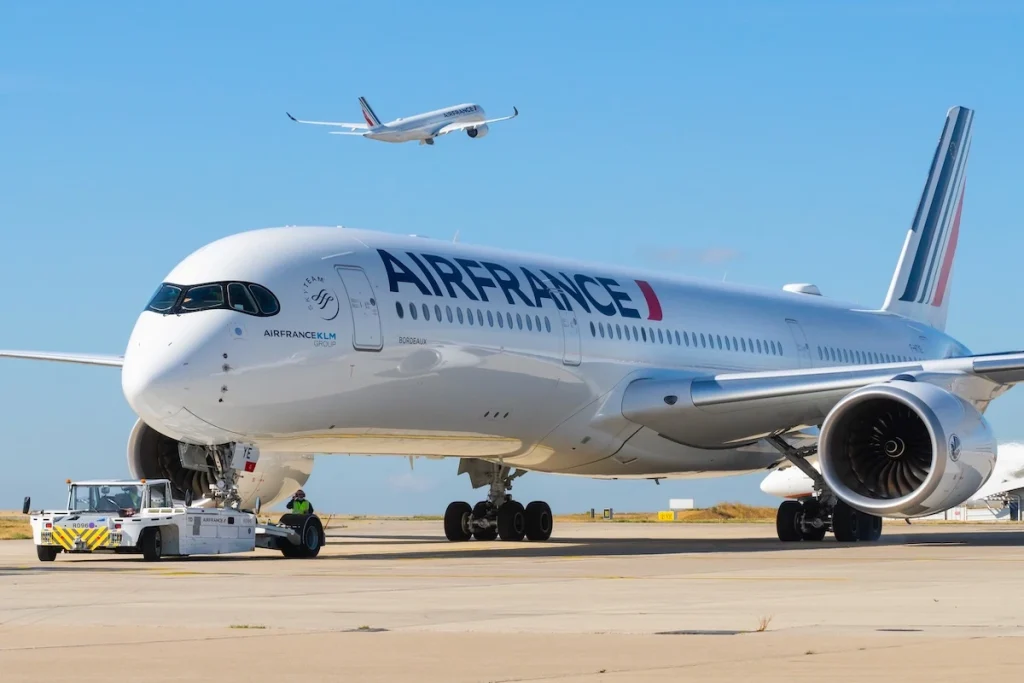
Both of these widebody types were designed for a long service life that ideally would stretch beyond 20 years. Thanks to composite wings and fuselage, modern avionics, more efficient engines, and a mid-life cabin refurbishment on the airline’s part, the aircraft are expected to hold up to the 25-year mark.
Extending the operational life of the A350 and 787 beyond the 25-year mark is more than possible, evidenced by the previous timeline laid out for the current-gen models that have exceeded their estimates. However, the phaseout of the next-generation widebodies present today will greatly depend on what technology is available by the 2040s.
As Airbus and Boeing study their new-generation single-aisle aircraft that will replace the A320neo and 737 MAX types, respectively, in the 2030s, analysts point to the findings as being pivotal to what eventually becomes the next widebody replacement, likely in the 2030s and 2040s.
The role of these Airbus and Boeing widebodies
For Air France-KLM, the role of the Airbus A350 and Boeing 787 models is clear. While the A350 is set to debut with KLM in the coming months following several lengthy delays, these aircraft are expected to form the backbone of the group’s future long-haul fleet.
Air France has been building out its next-generation widebody fleet, with the jets replacing older A330s and 777-200ERs, with future deliveries expected not only to cover renewal but also to support growth. The A350s are part of that future backlog and complement the Boeing 787s already in service.
At KLM, based in the Netherlands, it’s the A350 that will bring a new dawn for widebody travel, complementing the Boeing 787 family, where the 787-9 and 787-10 have for years been gradually taking over the role of older widebodies, just like at the French carrier.

These fleet decisions have offered businesses options with lower fuel burn, reduced emissions, and, critically for the customer base that sees these new widebodies as the future, a chance to experience fresh cabin configurations that more closely align with competitive products and the demands of the 21st century.
The A350 and 787, therefore, with a 25-year expected-use period, show confidence in the product and the life cycle that will be present. The aircraft could remain in service beyond 25 years. At the very least, extending the depreciation by 5 years gives a clear picture of outgoings and finances in the short to medium term.

ABOUT THE AUTHOR
Daniel Fowkes is a Melbourne-based aviation analyst and journalist with over a decade of industry experience. As founder of Dj’s Aviation, he delivers trusted analysis on aircraft, airline strategy and global aviation trends for djsaviation.net
Leave a Reply
Related Articles




Stay Informed
Get the latest aviation news, analysis and route updates delivered to your inbox.
We respect your privacy. Unsubscribe at any time.
Enjoyed this story?
Make us your go-to for aviation news
Add us as a preferred source on Google and see our latest stories first in Top Stories.
Add Us On Your News FeedRelated articles
· Airlines
Allegiant Air Buys Six More 737-8s From Boeing
Daniel Fowkes
26/10/2026
· Airlines
Emirates vs Qatar Airways: The Gulf Superhub Rivalry Compared
Bryan Shelmon
26/10/2026
· Airlines
Riyadh Air Is Moving Away From Riyadh
Daniel Fowkes
26/10/2026
· Airlines
Emirates Isn’t Worried At All
Daniel Fowkes
25/10/2026
Great coverage! Keep it coming.