
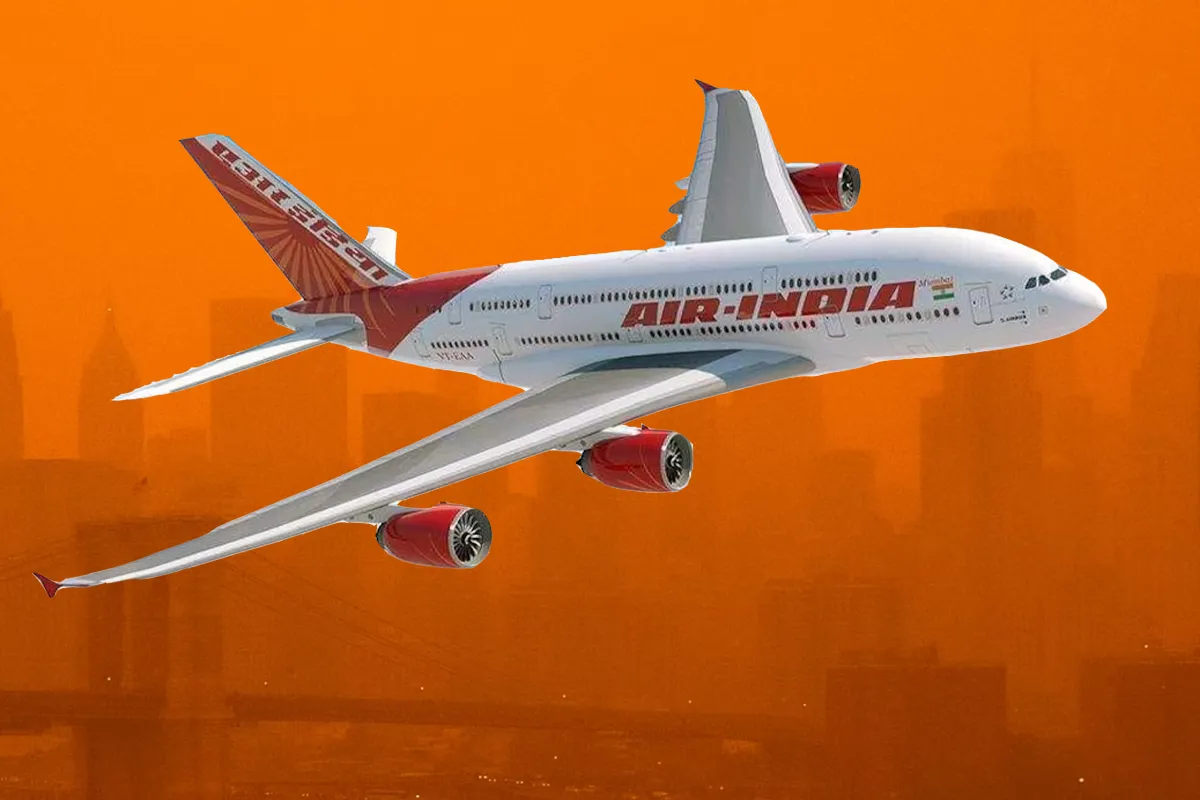
India, the world’s largest country by population, seems like a likely fit for the A380 superjumbo. However, billions of people don’t always convert into the travel demand needed to support an aircraft of this magnitude.
Airlines in India famously never flew the A380 for a combination of reasons. Overall, the Indian aviation market proves that it couldn’t support the superjumbo.
Examining the market further dissects the unique inner workings of India’s market that made each of its airlines ultimately reject it.
The A380 Nearly Flew In India
If there was one airline that could successfully bring the A380 to India, it was Kingfisher Airlines. It was founded in 2003, and by 2005, it planned to supercharge its fleet for international travel with an order for 10 A380 aircraft, including five firm orders and an option for five more.
India previously had a 5/20 rule, mandating that all new airlines must operate domestically for at least five years and have a minimum of 20 aircraft in the fleet before being permitted to operate international routes. By 2008, Kingfisher Airlines would be ready to take on international routes and was only awaiting delivery of the largest passenger aircraft ever produced.
Kingfisher established itself as a premium airline. It planned to utilise the aircraft size to enhance the flying experience with premium classes and onboard amenities.

In hindsight, it was quite the ambition for such a young airline. It began to show signs of trouble shortly after the order, with delays in the delivery of its first A380, mounting debts, and no profits to sustain its rapid expansion.
Ultimately, the A380 was too heavy a burden on the airline, and the airline never received the aircraft. It cancelled the order in 2012 when the airline shut down due to bankruptcy.
It might seem like the A380 could be a bad omen for Indian airlines attempting to add it to their fleets. However, this Kingfisher tragedy was only the story of one overly ambitious airline. The real story lies in more calculated risks associated with operating a type of this size.
Why The A380 Was Never Quite A Simple Fit
In 2025, India had approximately 250 million air travellers for domestic and international routes. Estimates say this number could increase to half a billion travellers by the next decade. India has nearly 1.5 billion people, so these projections are plausible based on the country’s year-over-year air travel demand growth.
With growing travel demand, it seems like a no-brainer that the A380 should have been considered by almost every airline in India. It could transport many more passengers per trip while meeting the growing demand for international routes. While these conversations were likely held in the back office, the true state of India’s aviation industry is a bit more complex than simply numbers.
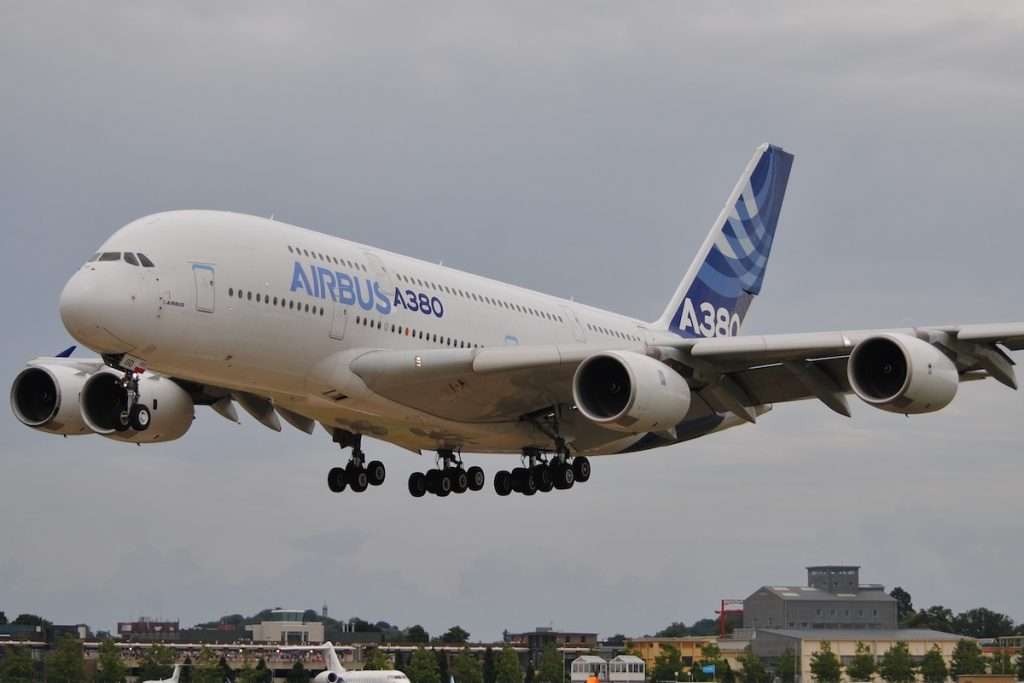
A breakdown of the air traffic totals shows that domestic travel in India accounts for nearly 80%. Domestic routes are better served by small- to medium-haul aircraft than by the A380. International routes are also already served by other major airlines, including Singapore Airlines, Emirates, and Lufthansa, who can operate the large aircraft much more efficiently based on their business models.
Lastly, India’s airports aren’t designed to sustain a large, heavy aircraft like the A380. Introducing the aircraft would mean reinforcing runway pavements, larger gates, new support equipment, and other updates, which would be costly for airports.
India’s Slot Constraints Mean Hub Potential?
As travel demand increases, India’s airport slots are under more strain. There are usually two solutions to the problem: increase the number of flights or use bigger aircraft to fly more passengers. The A380 would have been the ideal solution for increasing passenger capacity since it’s designed for more than 500 seats. However, the first option to increase the frequency of flights proved more suitable based on India’s travel trends.
With domestic travel being the heartbeat of India travel, most airlines operate on a point-to-point strategy. For example, an aircraft may fly from Delhi (DEL) to Mumbai (BOM) before servicing the next flight between Mumbai (BOM) and Bengaluru (BLR).
This operating style works best with smaller aircraft, with the flexibility to serve multiple airports. Most operators of the A380 use a hub model, funneling traffic into one hub airport to fill seat capacity more consistently.
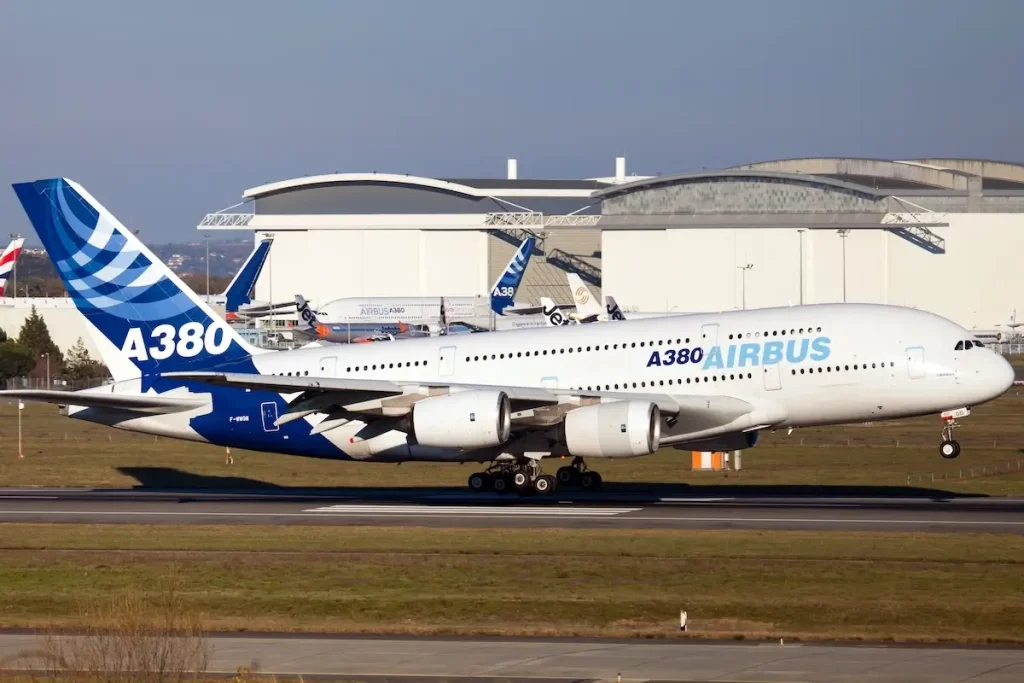
India plans to manage future travel demand with the addition of 50 airports planned across the country within the next decade, which would further decrease the need for a single hub airport model.
Premium Demand Versus Economics Of Aircraft
Kingfisher Airlines’ ultimate demise wasn’t solely the result of overspending on a large A380 order. It was branding itself as a premium airline choice in a market where passengers preferred more budget travel options. Kingfisher Airlines saw this firsthand as more passengers opted for its budget airline subsidiary, Kingfisher Red.
One of the biggest reasons why the Airbus A380 didn’t work in India came down to the economics of flying the aircraft. With such a high operating expense per flight on the A380, airlines would only be profitable if they’re able to fill every seat. Premium cabins help boost revenue potential per flight.
However, with most Indian travellers gravitating towards economy seats, a one-class layout of the A380 would be nearly impossible to fill more than 800 seats every flight, in the most extreme scenario.
Could The A380 Have Ever Worked?
Airbus ended production of the A380 in 2021 due to a lack of global demand. India’s sizable market would have been a lifesaver for the program. However, no Indian airline ever added the A380 to their fleets.
The A380 would be just too much of a hassle to manage for India’s unique travel market. With high domestic travel demand, point-to-point operations, and a lack of infrastructure for a superjumbo, alternative aircraft like the A320, A330 and eventually the A350 were preferred for medium- to long-haul flights.
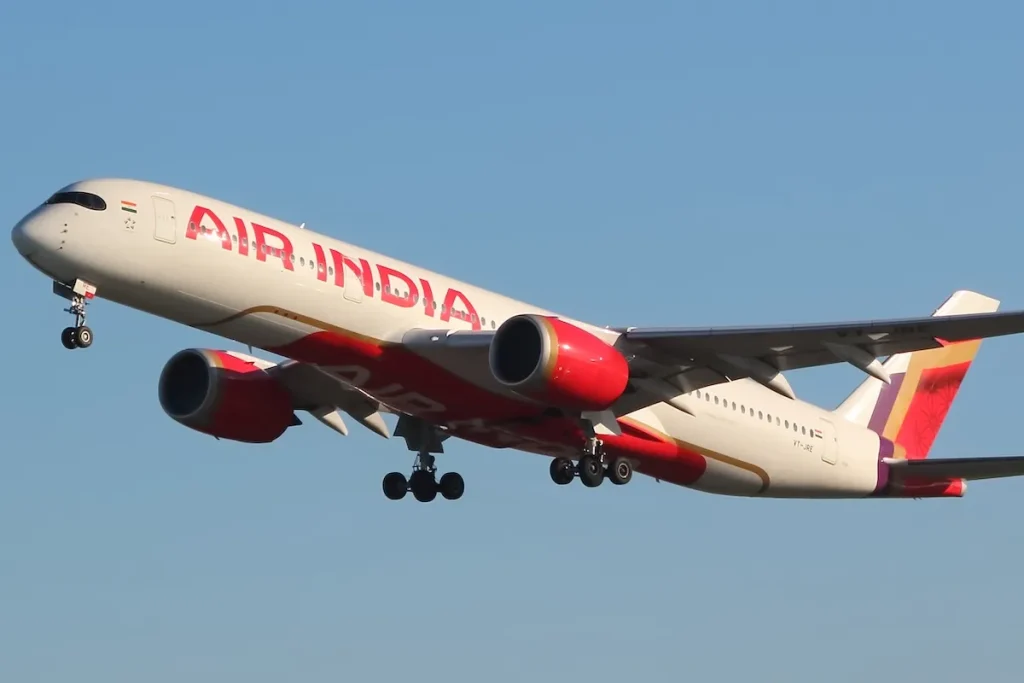
Even as India’s travel demand continues to surge, the addition of new airports would also make the A380 inefficient. Indian airlines prefer more flexibility to increase and decrease flight frequency based on demand rather than the burden of having to fill every seat to remain profitable.
Although no A380 sports a livery from an Indian airline, travellers have to rely on one of the global operators to experience what it’s like flying on a superjumbo.

ABOUT THE AUTHOR
Bryan Shelmon is an aviation journalist with 10 years of experience covering commercial aviation, private aviation, airports, aircraft and wider industry news. Based in the Detroit metropolitan area, he has contributed to publications including Lonely Planet, Matador Network and Visit Detroit.
Related Articles




Stay Informed
Get the latest aviation news, analysis and route updates delivered to your inbox.
We respect your privacy. Unsubscribe at any time.
Enjoyed this story?
Make us your go-to for aviation news
Add us as a preferred source on Google and see our latest stories first in Top Stories.
Add Us On Your News FeedRelated articles
· Airlines
Allegiant Air Buys Six More 737-8s From Boeing
Daniel Fowkes
26/10/2026
· Airlines
Emirates vs Qatar Airways: The Gulf Superhub Rivalry Compared
Bryan Shelmon
26/10/2026
· Airlines
Riyadh Air Is Moving Away From Riyadh
Daniel Fowkes
26/10/2026
· Airlines
Emirates Isn’t Worried At All
Daniel Fowkes
25/10/2026