
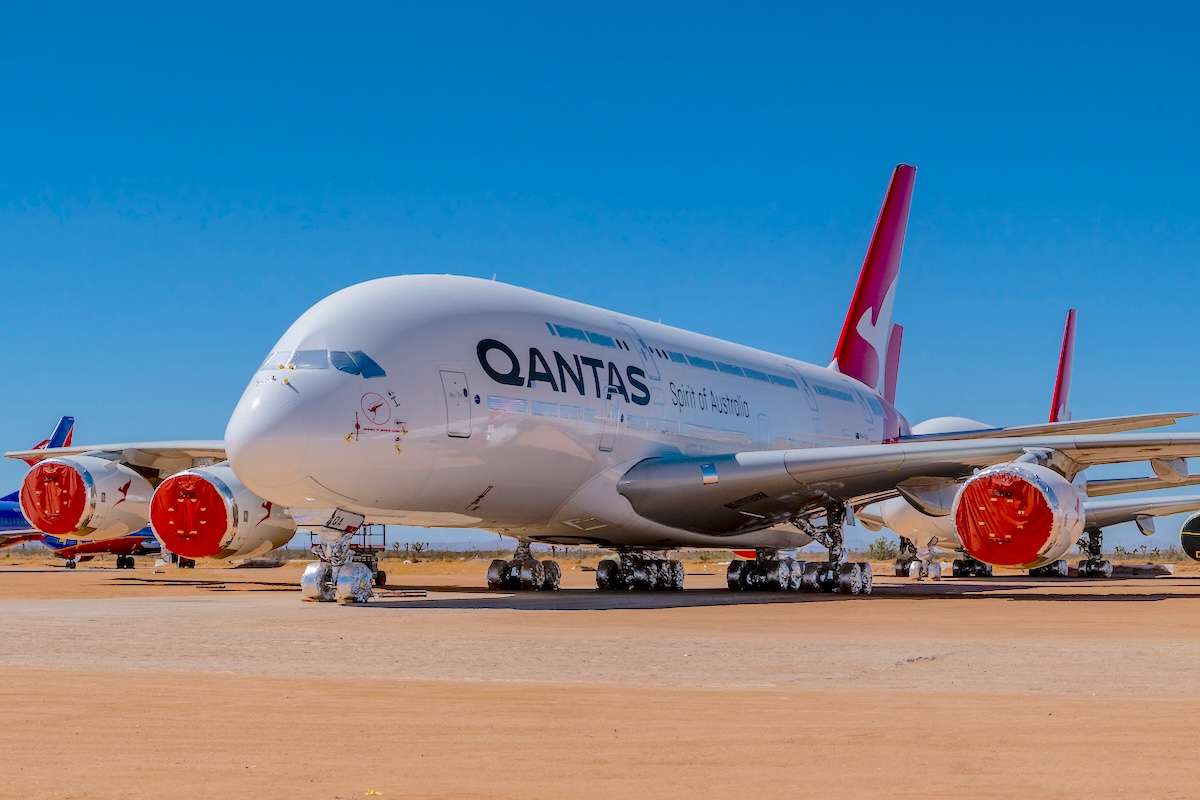
The European Union Safety Agency (EASA) has issued a new Emergency Airworthiness Directive targeting 16 Airbus A380 aircraft due to concerns about mid-spar cracks in the wings.
The concerns center on the wing’s integrity, with the potential for the findings to compromise the overall structural integrity and put the aircraft’s safety at risk, thereby necessitating an EAD.
Qantas is one of the operators affected, as one of its jets is caught up in the latest compliance, albeit already undergoing unrelated maintenance and thus inactive. However, it’s Emirates that has been hit the hardest.
EASA Issues Emergency AD For A380
The EASA filing was issued on 22 June 2026, with an effective date of 24 June 2026, for the Airbus A380 aircraft, covering 16 aircraft, with the MSNs provided alongside their variants.
A380-841s, A380-842s and A380-861s have all been flagged, with the following MSNs 30, 42, 55, 56, 105, 142, 184, 187, 190, 202, 203, 208, 209, 227, 228 and 234. These aircraft are operated by not just one airline.
The EAD notes that the safety assessment results were serious enough to warrant immediate public notification, without the full consultation process typical of a standard airworthiness directive.
Emergency ADs, as a result, are rare; when they do occur, it’s not something seen every week or month. As such, regulators move quickly to get to the bottom of the findings and emphasize that waiting is not an option. The regulators are always on the side of caution in these cases.
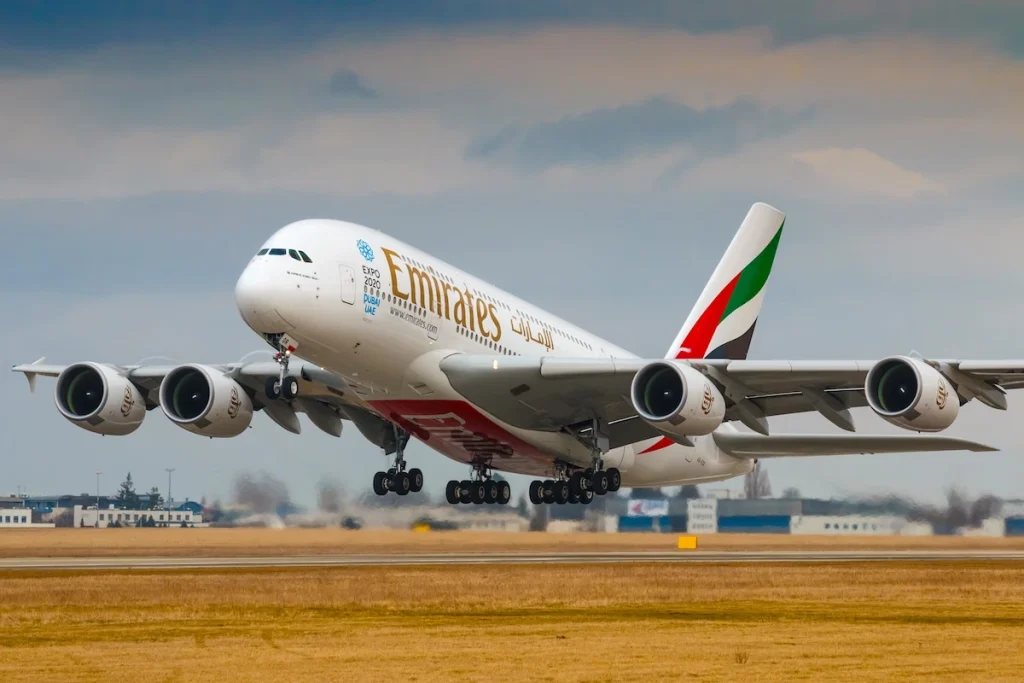
With prolonged periods on the ground and thus in storage during the pandemic, these types of problems aren’t necessarily a surprise. For the global A380 fleet, this isn’t the first time such concerns have also been raised about cracking.
A380s Put Into Two Groups
As part of the Emergency airworthiness directive issued by Europe’s governing regulators, the 16 affected airframes have been divided into two groups; these two groups have therefore different compliance timelines.
Group 1 covers MSN 190, 202, 203, 209 and 228. The regulator has judged these aircraft to have the more concerning crack findings and, as such, a complete and very detailed inspection of the wing mid-spars before their flight after 24 June 2026 must occur, keeping them on the ground until this is completed.
What is still only a limited grounding and push is still a provision, with the allowance of a ferry flight of up to three cycles without passengers to position the aircraft at a location where the inspection can be performed, if required.
Additionally, Group 2 covers the remaining 11 MSNs for which the EASA has flagged as carrying less urgent compliance checks, but inspections must be completed within 25 flight cycles of the effective date. That window is roughly two to four weeks for this type of aircraft, providing more time for maintenance and inspections.
That time is important for specific operators, as they can limit the overall impact on their network by performing the work rather than immediately pulling the world’s largest passenger plane from revenue service and disrupting flights.
Those inspections will look for any discrepancies during the checks. With the planes then not permitted to fly until Airbus has been contacted to provide repair instructions, and those repairs have been carried out if required. All operators also need to report inspection results, even when no findings are made, which is standard procedure for an EAD like this and for any aircraft.
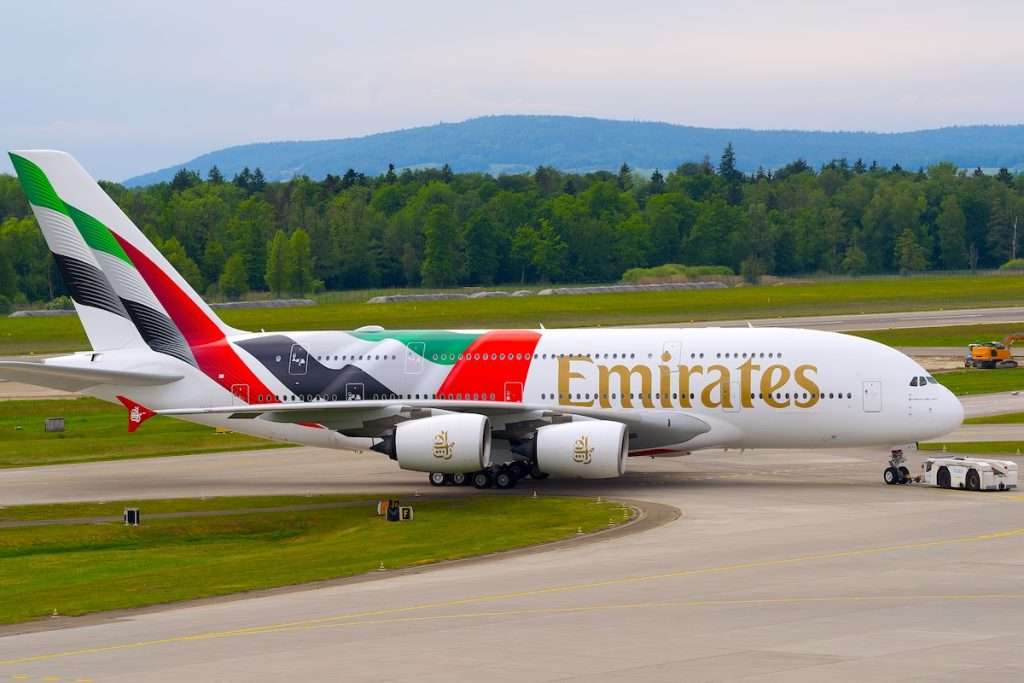
In its filing, the regulator said the directive is being considered an interim measure, with a further AD possibly to follow as it works to get to the bottom of the ongoing scrutiny across the Airbus A380 fleet.
Who Is Impacted By The EAD?
Many Airbus A380s have been included in the latest emergency airworthiness directive, and thus, not just one lone operator has been impacted by this. While some MSNs are forcing checks to occur immediately, others can wait a couple of weeks before committing to the inspections.
MSN30: Emirates A380-861 registered as A6-EDK
MSN42: Emirates A380-861 registered as A6-EDM
MSN55: Qantas A380-842 registered as VH-OQI (already parked)
MSN56: Emirates A380-861 registered as A6-EDN
MSN105: Emirates A380-861 registered as A6-EDX
MSN142: Emirates A380-861 registered as A6-EET
MSN184: Emirates A380-861 registered as A6-EOK
MSN187: Emirates A380-861 registered as A6-EOM
MSN190: Emirates A380-861 registered as A6-EOO
MSN202: Emirates A380-861 registered as A6-EOR
MSN203: Emirates A380-861 registered as A6-EOS
MSN208: Emirates A380-861 registered as A6-EOX
MSN209: Emirates A380-861 registered as A6-EOY
MSN227: Emirates A380-842 registered as A6-EUO
MSN228: Emirates A380-842 registered as A6-EUP
MSN234: Emirates A380-842 registered as A6-EUR
Ultimately, given that Emirates has taken delivery of over 100 Airbus A380s in its time and is the largest operator of the jet, when EADs are issued for the superjumbo, it often hits the hardest, purely given its reliance on the jet.
The MSNs show all but one aircraft: MSN55 is flying with Emirates; the lone jet not with the Dubai-based carrier is with Qantas and registered as VH-OQI. However, this plane, while needing to be cleared before flight, isn’t currently flying. The jet last flew on 8 March 2026 and has since remained in Dresden, Germany, while undergoing heavy maintenance.
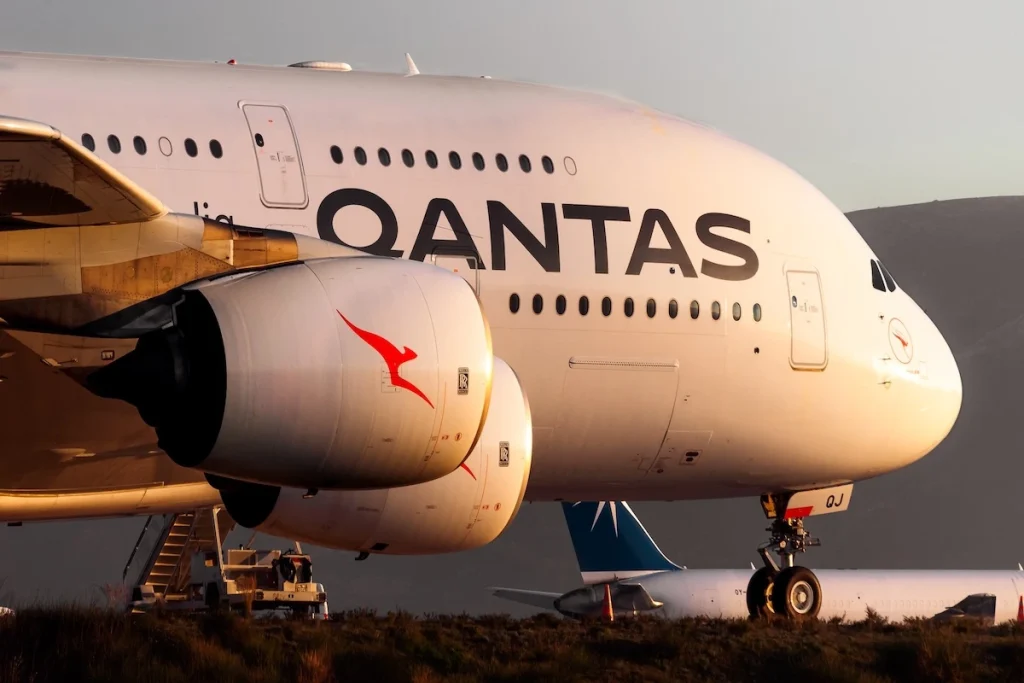
Qantas confirmed it’ll comply with any additional requirements arising from this latest emergency airworthiness directive. With safety coming first and foremost, the Australian flag carrier will at least be relieved that it’s a superjumbo not in active service, thereby limiting day-to-day revenue service.

ABOUT THE AUTHOR
Daniel Fowkes is a Melbourne-based aviation analyst and journalist with over a decade of industry experience. As founder of Dj’s Aviation, he delivers trusted analysis on aircraft, airline strategy and global aviation trends for djsaviation.net
Related Articles


Stay Informed
Get the latest aviation news, analysis and route updates delivered to your inbox.
We respect your privacy. Unsubscribe at any time.
Enjoyed this story?
Make us your go-to for aviation news
Add us as a preferred source on Google and see our latest stories first in Top Stories.
Add Us On Your News Feed