

ANA is consolidating its fleet and will say goodbye to its remaining Boeing 777-300 aircraft operating on its domestic routes by the end of fiscal year 2026.
These 500-seater widebody aircraft, in a two-class high-density layout, have been optimised for capacity and to meet needs across Japan, flying multiple times a day and transporting hundreds of passengers. The configuration is split between Premium and Economy, with nearly 500 seats at the back of the cabin in the base configuration alone.
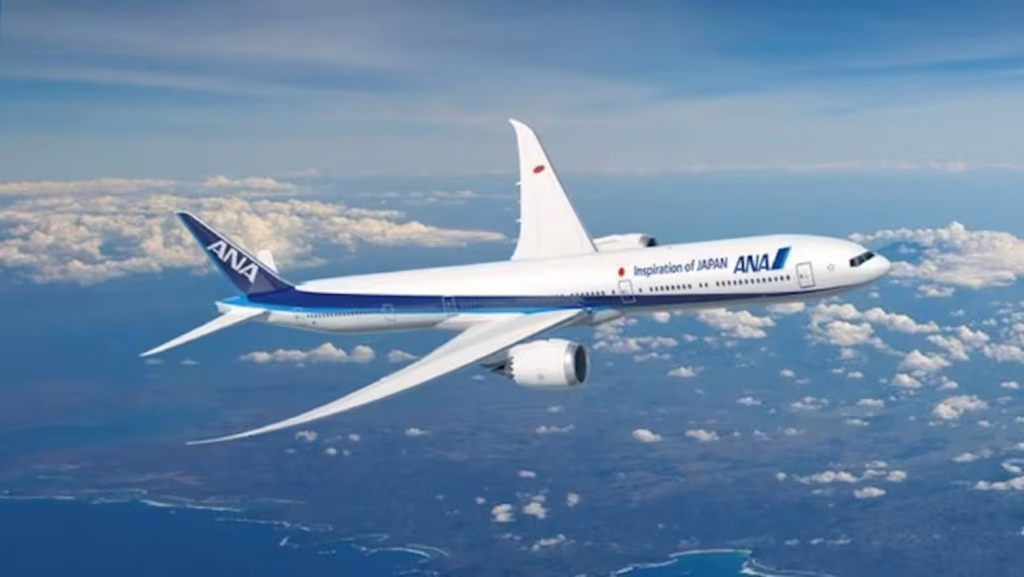
These aircraft are also powered by the Pratt & Whitney PW4090 engines; however, they are aging and being replaced by the Boeing 787-10s. As part of those replacement efforts, the airline has leveraged the Dreamliner’s next-generation capabilities to reduce operating costs.
While the 787-10 is ultimately set up to seat 429 passengers in a two-class layout, thereby shrinking capacity by around 17%, for ANA, the benefits lie in efficiency and next-generation design, which has become a staple across the business since early-2024.
ANA Follows In The Footsteps Of Rival
ANA’s planned retirement of the 777-300s remaining in its domestic operations directly echoes that of its competitor, Japan Airlines, which also phased out its 777-300 domestic fleet, albeit significantly earlier, in March 2021.
Japan Airlines‘ push to axe these aircraft amid the COVID-19 pandemic, where demand shifts meant retiring the high-density 777-300s, was required to slash costs and pivot volume-focused operations towards a more efficient aircraft.
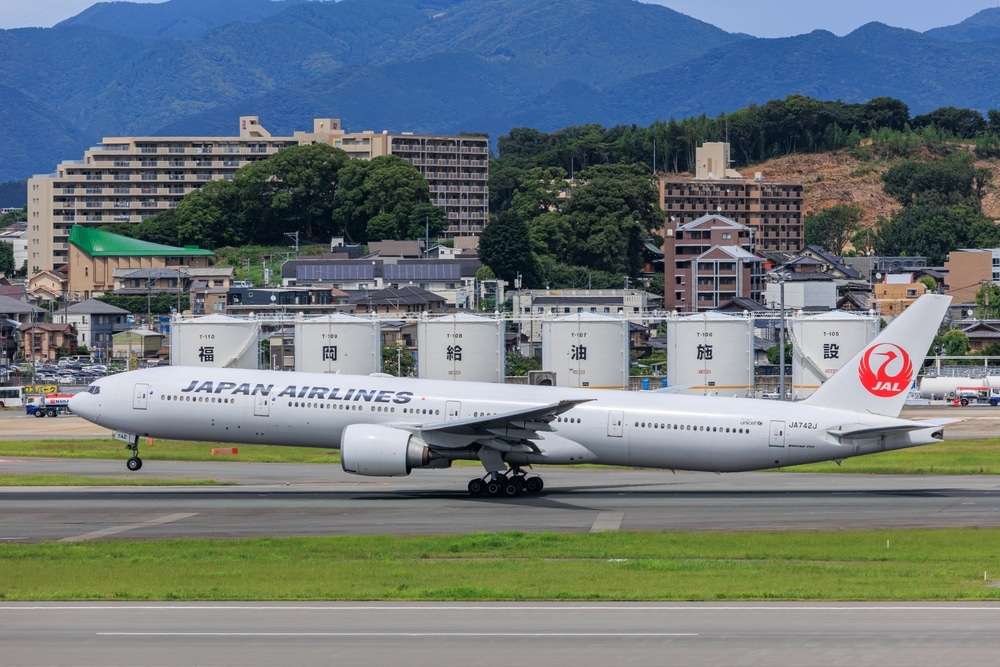
Instead, Japan Airlines, similarly to ANA, transitioned to next-generation jets; the A350-900 has been key to growing its own widebody domestic operation, while ANA leverages the 787-10, a jet with larger capacity, both representing capacity reduction but ultimately shedding the old relics representative of the past.
For Japan Airlines and ANA, this has boosted premium offerings, led to more standardized operations, both domestically and internationally, and increased reliance on flexible mid-sized jets rather than strictly on ultra-high-capacity jets, in an era where fuel efficiency reigns supreme for these businesses.
The Boeing 777-300ER Remains Key
Despite retiring its three domestic Boeing 777-300s by FY2026, ANA will retain its 777-300ERs for its long-haul international flights, forming the backbone of this side of the business.
These extended-range aircraft are perfect for high-demand transpacific and European routes, whether to Los Angeles, London or Milan, and boast a four-class configuration, enabling premium revenue to be captured, especially with the selected Business Class density.
When paired with the strong range, powerful engines, and spacious suites for flights exceeding 10 hours, load factors have more often than not supported the use of these longer-range services, whereas high-density packing in domestic services isn’t quite the same.
In an industry where costs are surging, it’s more important than ever for airlines to make calculated decisions about their fleets, which may necessitate removing older aircraft sooner than expected to keep costs as low as possible.
With the expected arrival of the Boeing 777X, additionally, this will fly the flag for the 777 series moving deeper into the future, with deliveries expected to come in 2027; however, it remains to be seen whether Boeing will be able to certify the aircraft following the many obstacles that have pushed the EIS by seven years already.

ABOUT THE AUTHOR
Daniel Fowkes is a Melbourne-based aviation analyst and journalist with over a decade of industry experience. As founder of Dj’s Aviation, he delivers trusted analysis on aircraft, airline strategy and global aviation trends for djsaviation.net
Related Articles

Stay Informed
Get the latest aviation news, analysis and route updates delivered to your inbox.
We respect your privacy. Unsubscribe at any time.
Enjoyed this story?
Make us your go-to for aviation news
Add us as a preferred source on Google and see our latest stories first in Top Stories.
Add Us On Your News Feed