
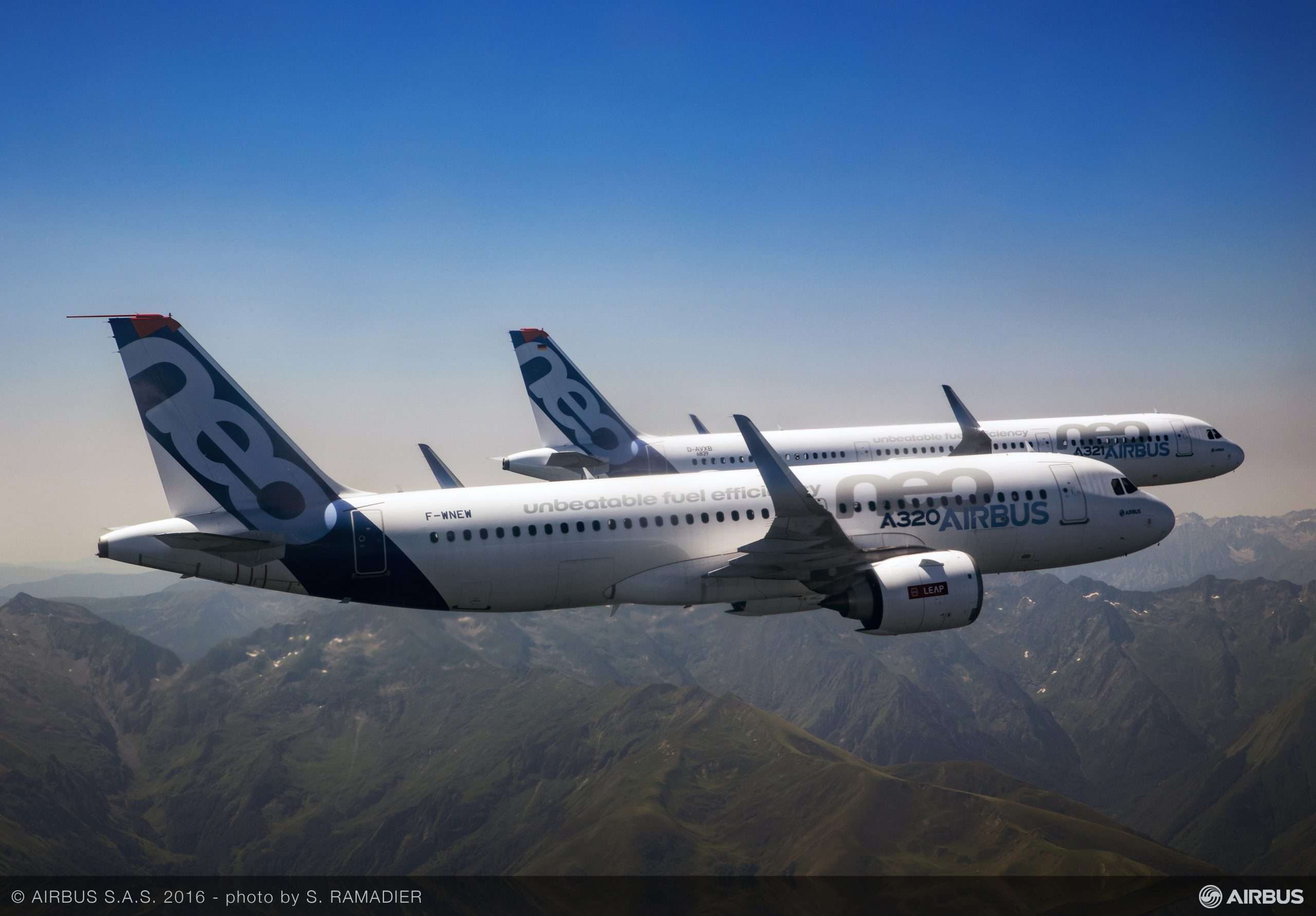
Finnair is inching closer to placing a new commercial aircraft order to replace its aging Airbus A320 family aircraft, including the A319 and A320.
In its Q4 2025 earnings report, the airline said the program to replace its older aircraft was active and nearing completion, and that the deal was expected to be announced within weeks.
With the deal in progress for some time, the airline is treating this narrowbody contract as a matter of urgency, something that has long been awaited.
Before a deal can be formally announced, for which the airline is requesting some patience, it needs to consider factors such as projected passenger and market growth to better determine the number and type of models selected.
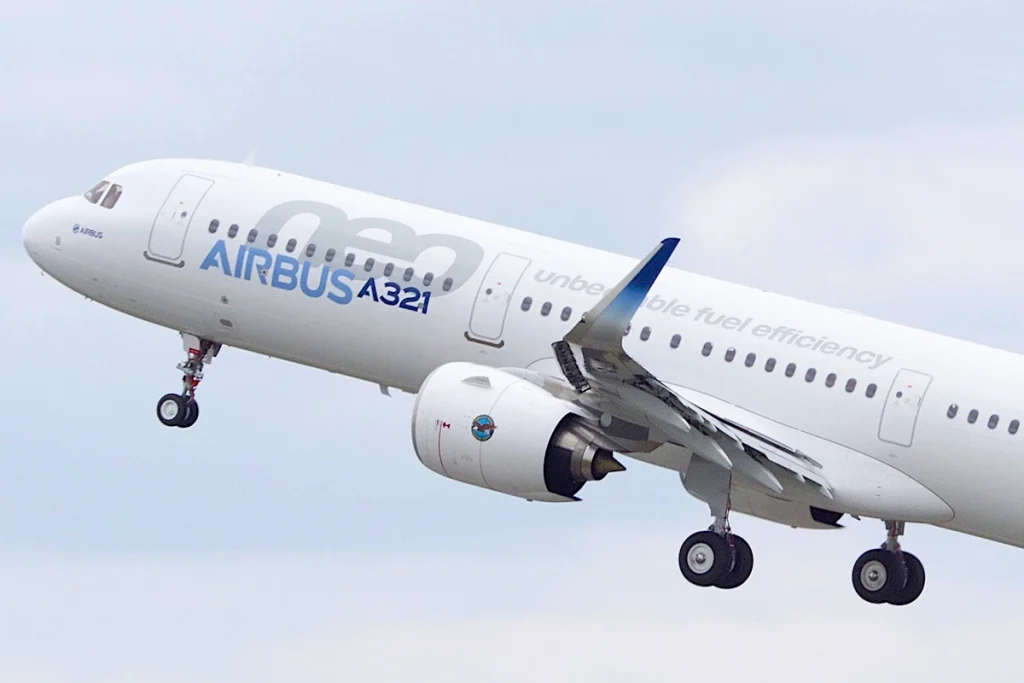
Naturally, a strong focus is on the Airbus A320neo family, a direct replacement for the A320ceo family currently in airline operations and in need of replacement.
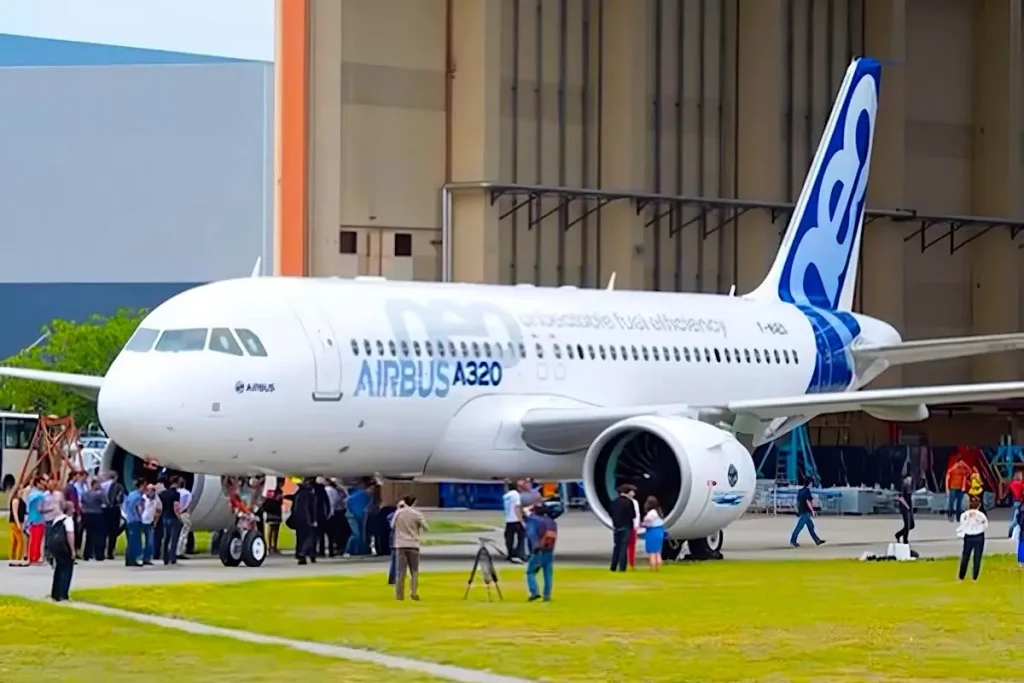
However, the airline’s final decision, expected within weeks, will consider not only base models but also the many derivatives launched over the years, such as the A321LR and A321XLR.
Finnair’s Current A319/A320 Fleet
Finnair’s commitment to the A320ceo family is strong; the airline operates the A319, A320, and A321 and has no next-generation Airbus single-aisle aircraft in its fleet.
As a result, with these A320ceo models clearly showing their age as nearby competitors continue their fleet renewal efforts and rapidly evolve their narrowbody operations, Finnair has lagged behind with its older workhorses.
Fleet data show Finnair has five Airbus A319-100s, the oldest of which is 24.7 years old on average.
However, this is closely followed by 10 Airbus A320-200s, which sit at 23.6 years of average age; this is the second oldest model, and the 10 units are critical to meeting short to medium-haul connectivity.
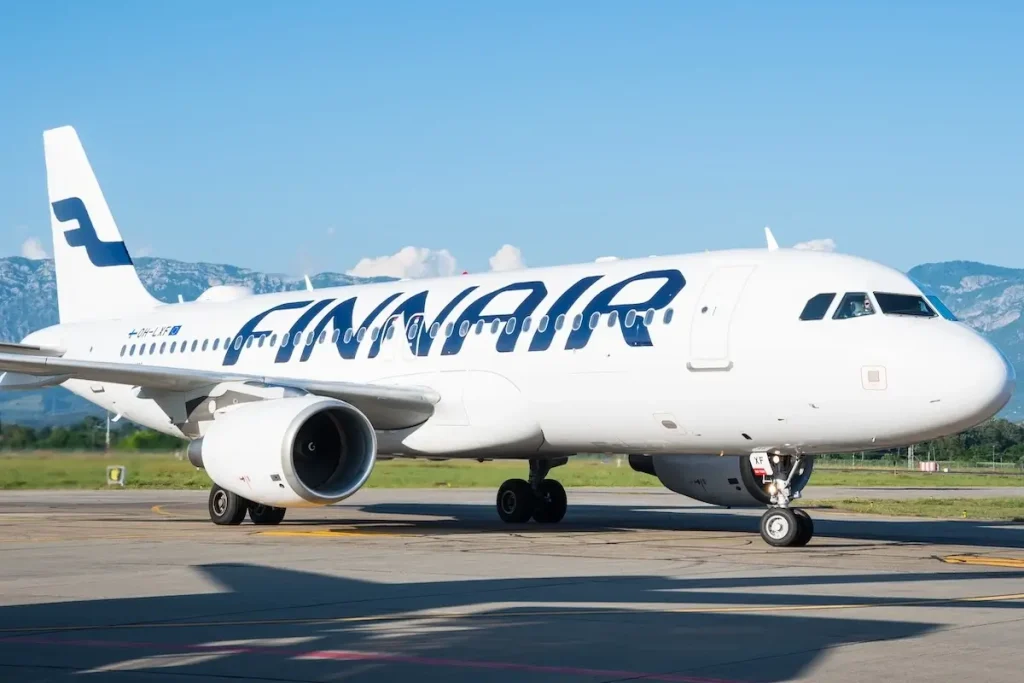
Finnair also flies 14 Airbus A321-200s, with an average age of 11.5 years. The airline has not included these aircraft in the upcoming deal, which will be announced in a matter of weeks.
The Impact On Finnair
Finnair’s order for a next-generation single aisle, such as the A320neo, to replace its 15 aging A319/A320ceo aircraft will align with ongoing transformative efforts at the business
First and foremost, the new aircraft, once delivered, will increase fuel efficiency by nearly 20% per flight and reduce operating costs amid rising costs.
With Finnair also emphasising sustainability, CO2 emissions will be reduced by the replacement’s efficiency, advancing its sustainability initiatives.
From an operational standpoint, the newer jets will streamline maintenance, improve reliability at the Helsinki hub when connecting across European services, and enable European expansion, depending on the number of aircraft included in the contract.
Financially, with lower operating costs and, hopefully, rising revenues, the airline will view the long term as more financially sound than expected and position Finnair as a leader in the Nordics for efficient travel across short, medium, and long distances.

ABOUT THE AUTHOR
Daniel Fowkes is a Melbourne-based aviation analyst and journalist with over a decade of industry experience. As founder of Dj’s Aviation, he delivers trusted analysis on aircraft, airline strategy and global aviation trends for djsaviation.net
Related Articles



Stay Informed
Get the latest aviation news, analysis and route updates delivered to your inbox.
We respect your privacy. Unsubscribe at any time.
Enjoyed this story?
Make us your go-to for aviation news
Add us as a preferred source on Google and see our latest stories first in Top Stories.
Add Us On Your News Feed