

Weeks after welcoming the Airbus A321XLR into service, American Airlines is making schedule changes.
The U.S. carrier is planning on expanding its operation with the new single-aisle aircraft across its domestic operations for the Northern Summer 2026 season.
As part of the move, the airline will operate the aircraft thrice daily between Los Angeles and Boston, effective 2 July 2026, with a fourth daily flight commencing from 5 August 2026.
Next, one daily flight across the busy New York JFK to San Francisco service will transition from 7 May 2026 over to the new state-of-the-art A321XLR as part of a significant shift towards this next-generation aircraft.
American Airlines confirmed that, from 4 June 2026, three daily flights will be operated by the A321XLR, rising to four daily from 2 September 2026 and then to five daily from 1 October 2026, weeks before the northern winter schedule commences.

This move follows the airline’s inaugural A321XLR service between New York’s John F. Kennedy International Airport (JFK) and Los Angeles International Airport (LAX), which took place just a week before Christmas. The airline must wrap its head around the aircraft.
Deployment towards Boston and San Francisco utilising the A321XLR was previously known; however, thanks to schedule filing developments flagged by aeroroutes.com, the airline has now planned the deployment of more units in advance as expected deliveries take shape.
The domestic deployment of the aircraft on coast-to-coast services ultimately forms one part of the aircraft’s versatility, with the airline to commence New York JFK to Edinburgh flights from 8 March 2026.
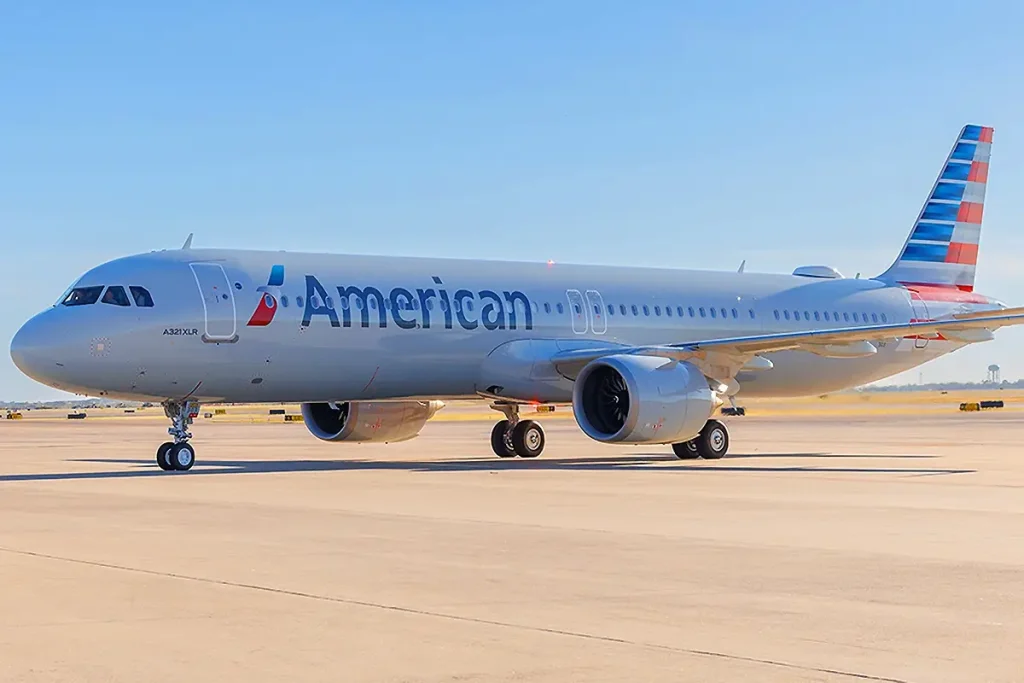
These international services, which will be made possible thanks to the A321XLR, will be broadly across the aviation industry and highlight exactly what the jet will be able to do for airlines, lessening the pressure on widebodies, offering service to secondary markets and flying into locations that were not previously viable because of fleet choices, among other factors such as demand.
American Airlines’ Game-Changing Aircraft
The commencement of operations with the A321XLR follows an order placed in 2019, when the aircraft was first launched as part of Airbus’ plans to elevate its single-aisle portfolio and cater to more niches, following Boeing’s decision to pause its NMA program.
The purchase involved converting 30 A321neo slots to the extended-range model and placing a direct order for 20 XLRs, bringing the total to 50. This was one of the many commitments made to the aircraft in the week it launched.
After certification delays and a complex first delivery, the EIS of this aircraft into the American Airlines fleet represents more than just a new model launch; it’s a fundamental push to close the gap with competitors across the United States.
For an extended period, analysts and, now, even the airline itself have recognised the gap created between the big three in the U.S. and the necessity for change at American Airlines to move forward more positively.
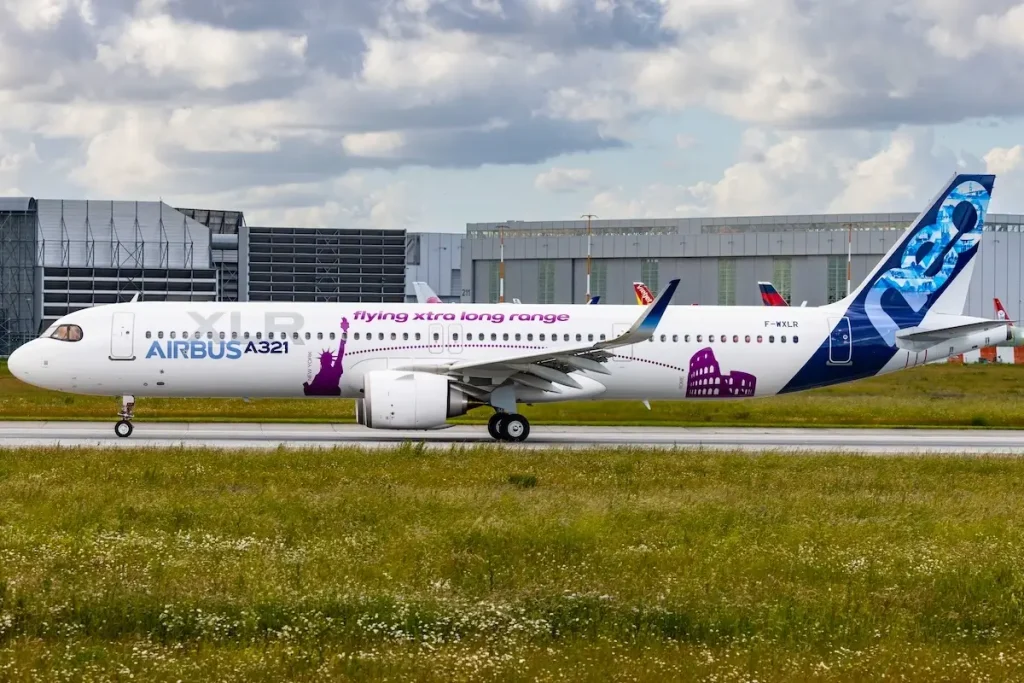
The A321XLR is seen as just one of the many integral parts of the future of this airline, the business recognising the need for change, and believing that the A321XLR, which is more heavily leaning on its premium configuration, will be crucial in achieving that as well.
It’s still slated to be an uphill battle for American Airlines as it looks to right the many wrongs of its previous years, but through the investment in aircraft, among much more, the airline is hopeful that things will change moving forward.

ABOUT THE AUTHOR
Daniel Fowkes is a Melbourne-based aviation analyst and journalist with over a decade of industry experience. As founder of Dj’s Aviation, he delivers trusted analysis on aircraft, airline strategy and global aviation trends for djsaviation.net
Related Articles




Stay Informed
Get the latest aviation news, analysis and route updates delivered to your inbox.
We respect your privacy. Unsubscribe at any time.
Enjoyed this story?
Make us your go-to for aviation news
Add us as a preferred source on Google and see our latest stories first in Top Stories.
Add Us On Your News Feed