

The Airbus A380 and A350 represent two vastly different approaches to a widebody aircraft but still, in essence, the same purpose: to meet the demands of airline customers worldwide.
The A380 was launched in the early 2000s with a clear ambition: to be the world’s largest passenger plane and meet the ever-growing demand for air travel in congested airports worldwide.
Equipped with four engines and a passenger capacity not seen on any other aircraft type, the model aimed to be different and transform how airlines approached long-haul flying.
On the other hand, the A350 launched almost a decade later was Airbus’ answer to the industry’s shift toward more fuel-efficient, long-range planes that could effectively support point-to-point travel.
With a focus on flexibility, airlines adopting the A350 have seen new opportunities that were not previously possible, certainly not with the A380.
But given that these planes have served as the planemaker’s flagship widebody at one point or another, what are the actual differences? Are there similarities? And what is their story?
Differences Between The A380 & A350
The most apparent difference between the A380 and the A350 is their size and capacity, which can be seen by comparing the planes side by side.
The A380 is the largest passenger aircraft ever built, with a seating capacity that can exceed 800 passengers in an all-economy layout. While no airline adopted this configuration and leaned towards a three-class layout, it highlights the sheer scale at which the A380 can be configured.
Its sheer size, featuring two complete decks and four engines from concept, made it a unique offering for airlines looking to upsize their market share and meet growing demand in specific locations.
Moreover, upon launch, the A380 also posed operational challenges, requiring airports to modify infrastructure to accommodate it, which was costly.

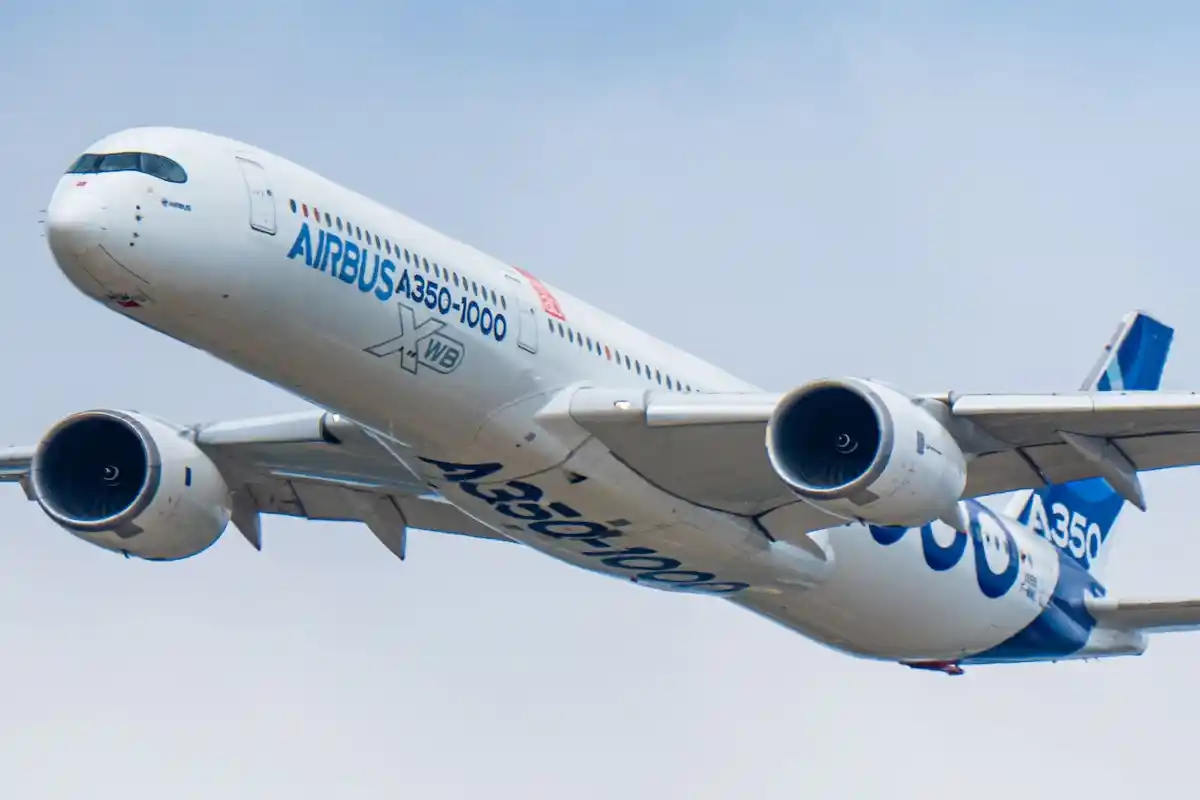
The A350, by contrast, is a twin-engine aircraft with a much smaller footprint, offering seating for around 300 to 410 passengers depending on the variant. Airbus proceeded with two, the A350-900 and larger A350-1000.
The A350’s smaller size and greater fuel efficiency make it more suitable for a broader range of routes, from short-haul regional operations to ultra-long-haul flights. Airlines can choose how they operate the A350, something not found with the A380 given its nature.
Another significant difference is their design philosophy and technology. The A350 is constructed primarily from advanced composite materials, which contribute to lower weight and better fuel efficiency and align with airline requirements in the 21st century.
The state-of-the-art aerodynamics, quieter engines, and avionics make it one of the most fuel-efficient widebodies on the market and applauded by the airlines that fly it as a true leader in the sector.
However, the A380, by contrast, relies more on traditional aluminium construction and older-generation engines. While powerful, these engines result in higher fuel consumption and operational costs. As airlines look to lower costs, the niche the A380 filled will already see minor adoption because of the increased operating costs.
Furthermore, the A350 was designed with flexibility in mind, appealing to airlines that wanted a fleet solution capable of serving a variety of routes without the infrastructure constraints of the A380.
Regarding customer appeal, the A380 focused on providing an open space for airlines to get creative. As such, airlines looked to redefine the customer offering with luxurious spaces, lounges, showers and more to make their experience unique.
Thanks to this, the A380 was made popular with premium carriers like Emirates. However, the A350, while still adopted by premium airlines, hasn’t solely focused on this; instead, it is flexible and efficient, and thus, it has seen broader adoption.
But Are The Two Aircraft Alike?
Despite their differences, the A380 and A350 share fundamental similarities in their roles within airline fleets, albeit occurring at different points through the last couple of decades.
Both aircraft were designed to help airlines achieve fleet renewal and expansion goals by offering cutting-edge technology. While these features were arguably more favourable at different points, the premise was evident.
Furthermore, each, in its time, represented Airbus’ flagship offering in the widebody segment. Both aircraft have been instrumental in helping airlines evolve their long-haul strategies. The A380 enabled airlines to capitalise on high-demand routes between major global hubs, such as London to Dubai or Sydney to Los Angeles.
Across these markets, but many others, passenger volume justified the use of such a large aircraft, and these airports were often considered slot-constrained.
Meanwhile, the A350 has allowed airlines to operate more direct long-haul flights, reducing reliance on connections and opening up new city pairs that were previously not economically viable. Nowadays, these are financially viable and are a massive success for airlines.
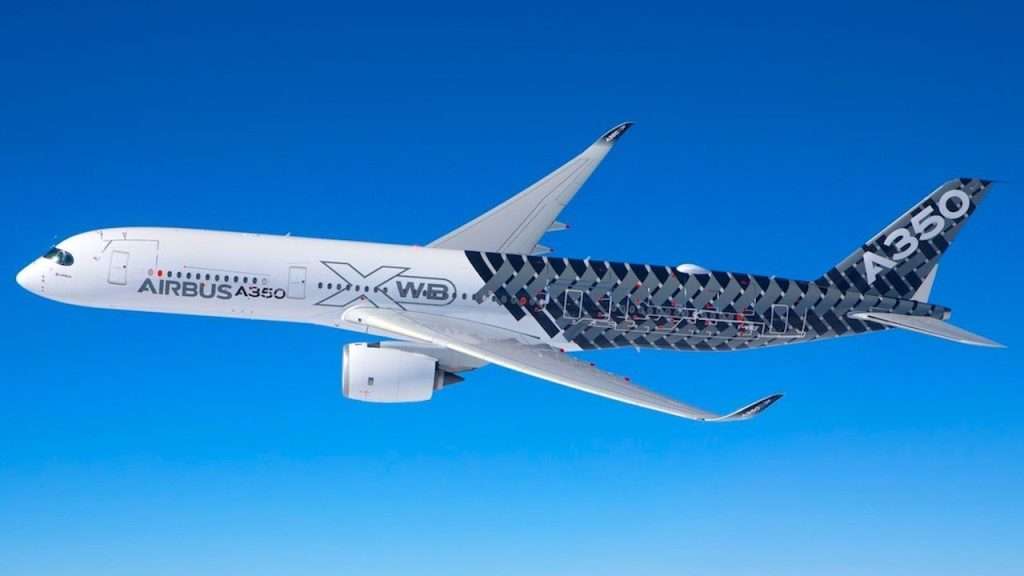
Carriers that operate the A380 and A350 often use them as flagship products to showcase their service quality and innovation, among other leading features for such planes.
The Evolution Of The Aircraft
The trajectory of the A380 and A350 programs tells a fascinating story about how much can change in such a short time.
The A380 was once viewed as the new era for long-haul air travel. However, its operational lifespan was cut substantially short compared to what Airbus had envisaged when considering such a plane to release.
Rising fuel prices, advancements in twin-engine efficiency, and changing trends seen through passengers and airlines made the A380 less viable for many airlines.
In 2019, Airbus announced it would cease production of the A380 due to dwindling orders. While Emirates continues to operate and invest in the A380, even the largest customer of this program has spoken about certain limitations.
The trajectory of the A350 is different. Although the aircraft entered the industry later, it still sees substantial market success and remains Airbus’ flagship widebody product.
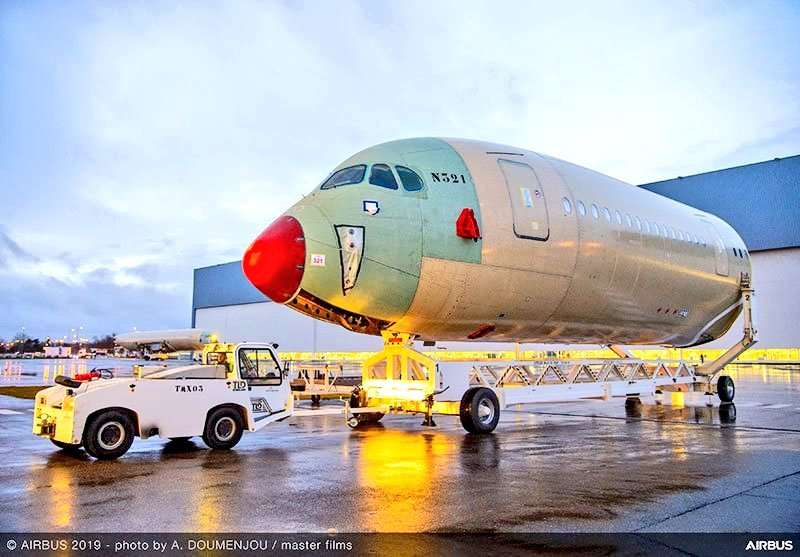
Efficiency and operational flexibility have made it a favourite among airlines seeking to reduce fuel costs and emissions while still not losing out on capacity and range across their network.
The A350 has enjoyed widespread adoption, and its sales continue. Still, the backlog evolves, ensuring the program is delivered well into the early 2030s and beyond, proving the aircraft is here to stay.
To Conclude
The Airbus A380 and A350 are examples of innovation achieved by being clean sheets; however, their trajectory was very different.
One model is no longer produced, but the other continues to thrive. While the A380 was never to see widespread adoption for its purpose, it was not something many airlines could deem viable, and it still represented a new era.
Moreover, the A350 is the right aircraft for many airlines now in the mid-2020s, its efficiency is key and the program continues to prove to be a reliable solution for airlines long-haul requirements.

ABOUT THE AUTHOR
Daniel Fowkes is a Melbourne-based aviation analyst and journalist with over a decade of industry experience. As founder of Dj’s Aviation, he delivers trusted analysis on aircraft, airline strategy and global aviation trends for djsaviation.net
Related Articles

Stay Informed
Get the latest aviation news, analysis and route updates delivered to your inbox.
We respect your privacy. Unsubscribe at any time.
Enjoyed this story?
Make us your go-to for aviation news
Add us as a preferred source on Google and see our latest stories first in Top Stories.
Add Us On Your News Feed