

Boeing is currently cutting its workforce as it attempts to realign its business and become more financially stable.
As part of those latest cuts, the planemaker will look to offload close to 400 employees, specifically 396 across various locations in Washington.
This revelation was possible thanks to a new notice published by the Employment Security Department in the United States.
The 396 employees affected are, in reality, just a small fraction of the layoffs that are currently taking place at the major American manufacturer.
Unsurprisingly, Washington was always going to be one of the largest focuses, as this was to be driven by the sheer number of people who work for Boeing in the Washington area.
Boeing has already committed to laying off 17,000 positions, equating to a 10% reduction in its overall global workforce. This means the company isn’t replacing these people but attempting to streamline.
The process of laying off employees only began in recent weeks, with new notices emerging every few days about plants that will see people lose their positions.
Why Is Boeing Cutting Its Workforce?
Boeing’s decision to lay off 17,000 employees wasn’t easy; however, given the business’s recent trajectory, it is certainly one that is now deemed necessary.
Driven by financial struggles, 17,000 people is no small number. However, when the company reported a $6 billion loss in the third quarter of 2024 and projected a 17% decline in revenue for the year, harsh decisions must be made.
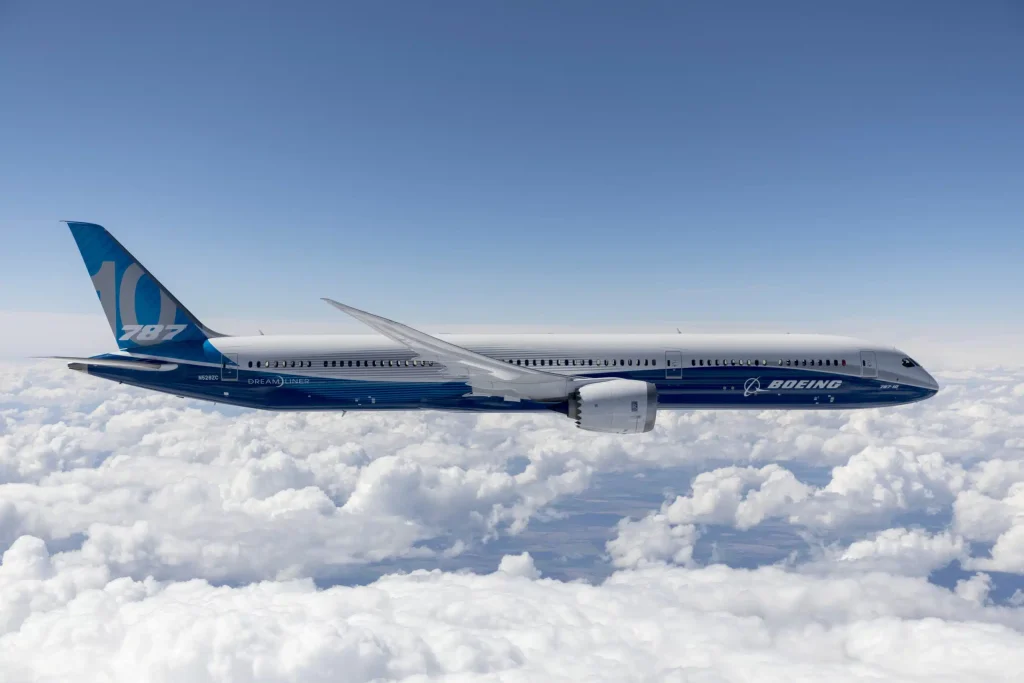
All these financial challenges are compounded by the planemaker’s continuous dealing with disruptions to its operations—quality control issues, a multi-month strike that affected production, and more profoundly hurt Boeing.
Ultimately, these are just some of the many complexities, including overall increases in operating costs, supply chain issues, regulatory hurdles, and compensation requirements, that have strained profitability.
The layoffs are part of Boeing’s efforts to streamline operations, address overstaffing, and improve its financial health to ensure its business sustainability in ten years.
Under CEO Kelly Ortberg, the company aims to focus on core goals, including reducing spending while balancing this with a firm investment in culture and safety practices to set it up for future stability and success.
Boeing’s stock performance has been poor, losing a substantial amount of value in recent months and years, and confidence in the product being put out remains low.
Boeing needs to find a way to generate a return, and be profitable and harsh decisions have to be made. The planemaker has confirmed a new commercial airliner isn’t feasible now given its financial state and workforce reductions are another step being undertaken.

ABOUT THE AUTHOR
Daniel Fowkes is a Melbourne-based aviation analyst and journalist with over a decade of industry experience. As founder of Dj’s Aviation, he delivers trusted analysis on aircraft, airline strategy and global aviation trends for djsaviation.net
Related Articles


Stay Informed
Get the latest aviation news, analysis and route updates delivered to your inbox.
We respect your privacy. Unsubscribe at any time.
Enjoyed this story?
Make us your go-to for aviation news
Add us as a preferred source on Google and see our latest stories first in Top Stories.
Add Us On Your News Feed