
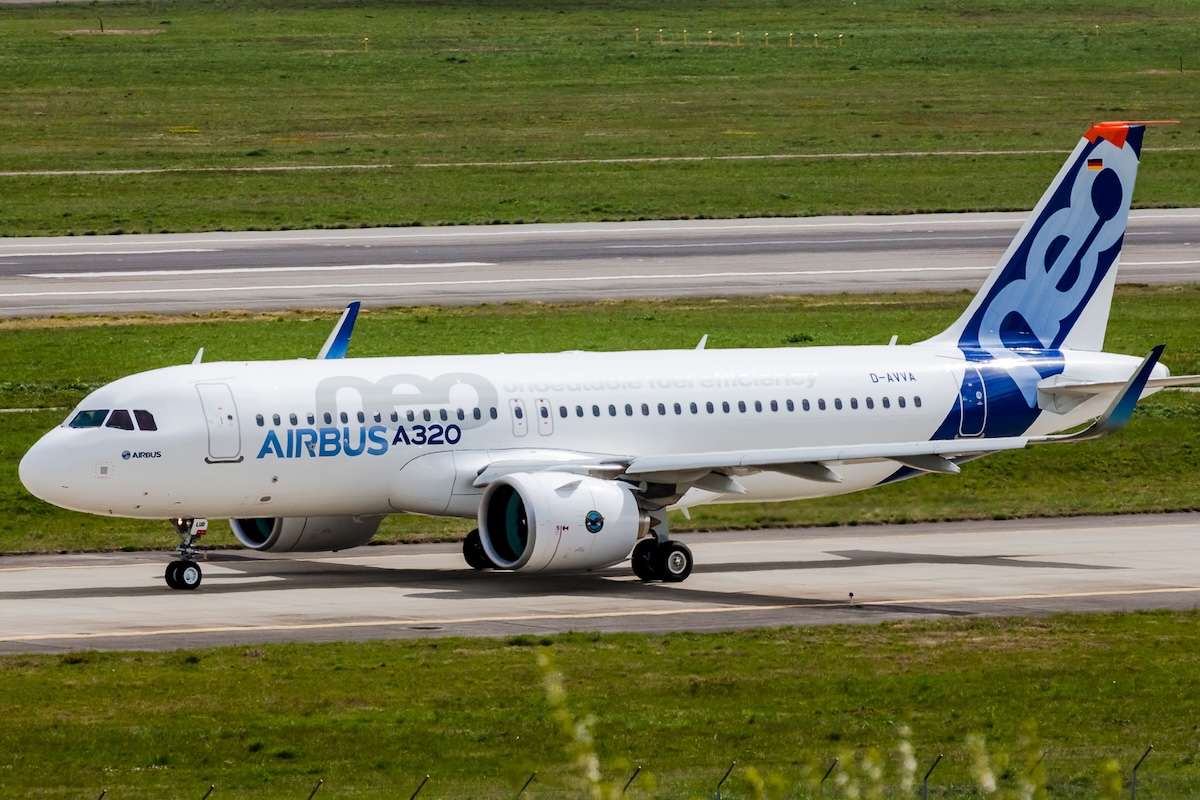
The number of Airbus A320neos being scrapped for teardowns is rising as pressure on the spare parts market intensifies.
With single-aisle flying one of the most important segments for airlines worldwide, reliability has been a major concern as Pratt & Whitney GTF engine shortages have left jets on the ground for prolonged periods.
As parts become less readily available, maintenance backlogs grow, and demand for components in jets reaching their mid-life stages increases, the appeal of tearing down some A320neo family aircraft has grown over time.
Looking Into The A320neo Scrappings
The current wave of Airbus A320neo scrapping isn’t unusual, but it’s certainly shocking for some, as these aircraft, which could serve a purpose for airlines operating passenger flights, are instead torn down for parts to keep other jets airborne.
AerFin’s leading programme has seen the recycling of eight A320neo jets across France and the Philippines and, critically, has released more than 9,000 parts into the aftermarket.
Each teardown yields a strong return of around 1,200 to 1,400 components, according to the company, and the average age of the jets it has torn down for these parts is also around 4 years. This isn’t unusual, but certainly opportunistic for the aftermarket and existing operators of the jet.

With the completion of each A320neo teardown, AerFin flags that assets are ready for sale and exchange, including structural assemblies, nacelles, APUs, and landing gear, with strong demand for rotables and consumables moving through the network.
The teardowns have positioned the key parts across global warehousing networks to support customers in EMEA, APAC and the Americas. Now, the next phase, with a reflection, must also take into account the programme’s scale, maturity, and progression.
AerFin Not Done With The A320neo
AerFin is also working on what’s next after reaching the landmark milestone of the eight Airbus A320neo teardowns, and that includes the fleet, which is growing at a pace. The business has secured additional units, which are entering the onboarding and disassembly phase.
With this in the works, the company knows it’ll be able to strengthen its inventory pipeline, and it also has to complement this with a portfolio that’s growing in fresh-from-shop PW GTF engines, which are available for lease or sale. That flexibility is what it prides itself on; it knows what its customers need.
The concern for AerFin is the rate of growth with the A320neo fleet, its backlog stretching into the 2030s and its life nowhere near completion. As a result, the number of aircraft from this family that are active rises each month.

The job for AerFin is to help its customers respond to constraints with a much clearer view and to ensure that, as the jets continue to age and possibly encounter other technical concerns, AerFin can support the aftermarket with parts taken from existing jets.
What Does This Mean For The A320neo?
These teardowns that are being conducted are not representative of the A320neo’s role within the industry, which is coming to a close, rather quite the opposite. In fact, AerFin is not even the only company conducting such work.
Earlier this year, following the collapse of Spirit Airlines, it was reported that EirTrade Aviation and RESIDCO had acquired Airbus A320neos for teardown and release of parts into the aftermarket.
The scrapping of aircraft, especially new ones, for parts by companies like AerFin is driven by the importance of the series across the global narrowbody fleet and the rising need for aftermarket support.
The aftermarket is important when OEM supply is stretched, and OEMs have faced multiple issues over the last decade, which is why pressure on those third-party aftermarket providers has risen.
AerFin’s decision to move ahead with scrapping, while ongoing reliability concerns with the GTF engines persist, is part of a proactive response to show airlines that work is underway to keep these A320neos stable in the future.
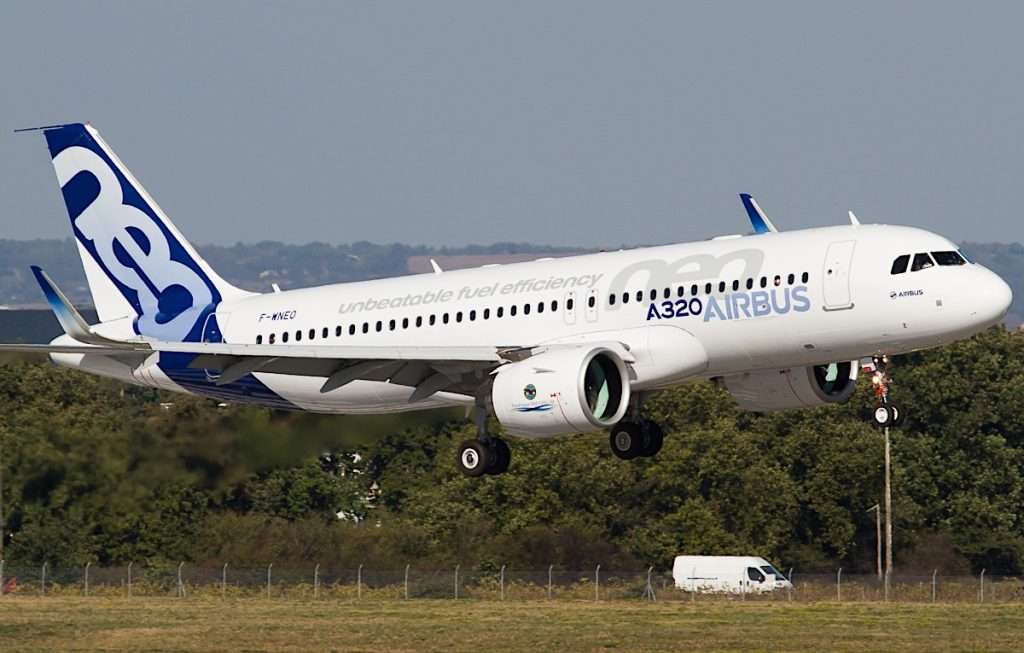
The upside for airlines is that parts availability will improve thanks to these scrapings, and aircraft that may be on the ground, whether for prolonged or short periods, can acquire the necessary parts for a quicker return to service.
Additionally, for AerFin, the removal and rebuilding of its spare part inventory is also an opportunity to strengthen its position in the industry and be better recognised as a reliable provider.
Ultimately, even with the benefits, the teardown of new aircraft is always unfortunate, but these planes aren’t being scrapped for no good reason, unlike a quad-engined widebody after 30 years of service. The teardowns of these jets are calculated and will directly support the active and growing A320neo fleet for decades to come.

ABOUT THE AUTHOR
Daniel Fowkes is a Melbourne-based aviation analyst and journalist with over a decade of industry experience. As founder of Dj’s Aviation, he delivers trusted analysis on aircraft, airline strategy and global aviation trends for djsaviation.net
Related Articles




Stay Informed
Get the latest aviation news, analysis and route updates delivered to your inbox.
We respect your privacy. Unsubscribe at any time.
Enjoyed this story?
Make us your go-to for aviation news
Add us as a preferred source on Google and see our latest stories first in Top Stories.
Add Us On Your News FeedRelated articles
· Airlines
· Airbus A380
Would The Airbus A380 Work In India?
Bryan Shelmon
24/09/2026
· Aircraft
· Airbus
· Airlines
Airbus’ Forgotten A350-800 Order
Bryan Shelmon
24/09/2026
· Aircraft
· Airbus
· Routes
Airbus A321XLR Route Map: How One Jet Opens Thin Long-Haul Market
Bryan Shelmon
23/09/2026
· Analysis
· Airbus
· Aircraft
· Boeing
Airbus A350-1000 vs Boeing 777-9: The Next-Gen Widebody Matchup
Bryan Shelmon
22/09/2026