
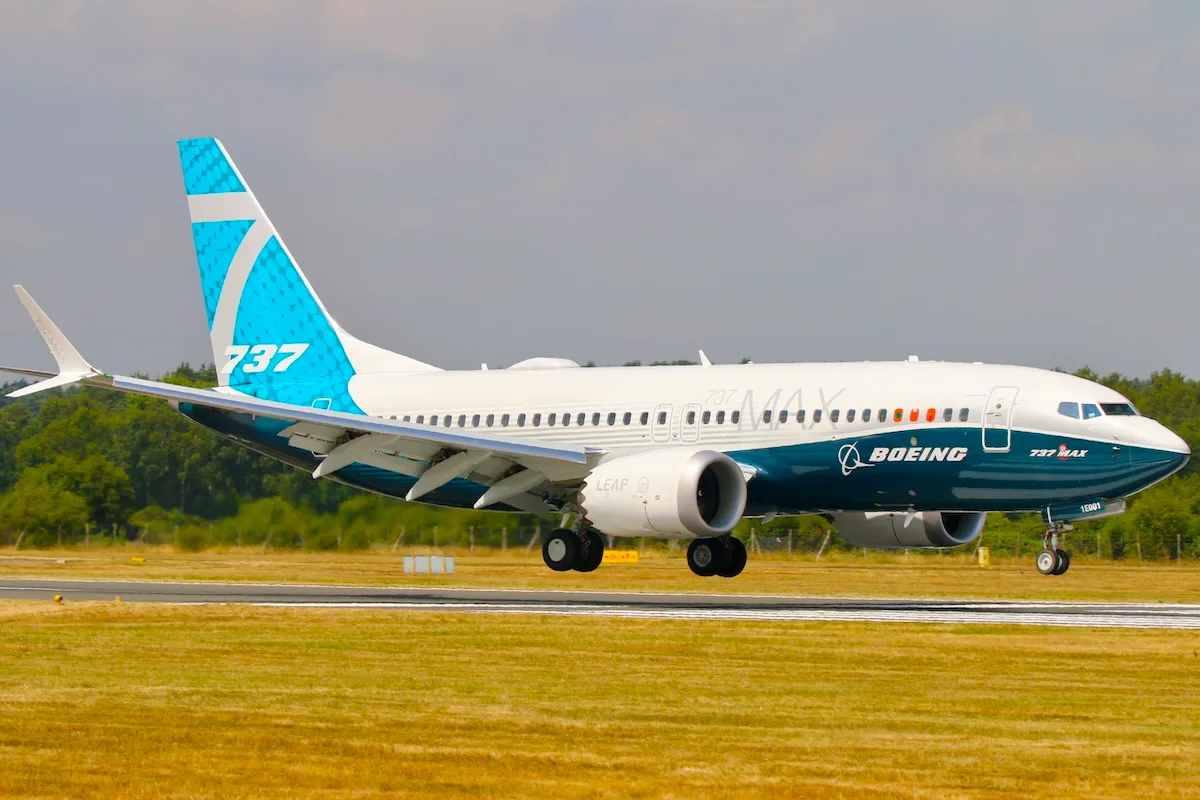
Boeing’s 737-7 certification saga stretched some 3,063 days from its first flight on 16 March 2018, and the FAA’s approval is more than just a regular milestone for the planemaker.
After a drawn-out technical and reputational saga stretching more than eight years, the certification is a major step forward for Boeing.
With this approval, the 737-7 becomes the second-to-last 737 MAX variant to be certified; Repeated delays had created tension for all parties involved, but that is now in the past.
A Certification Saga Takes Shape Over 3,000 Days
The 737-7 was originally intended to be a simple, smaller version of the existing MAX models and, as such, a straightforward certification, with the model aimed at thinner routes while still offering strong range and efficiency.
With the same basic pilot commonality that made the entire family so powerful commercially, the planemaker was betting on the jet’s speedy approval process amid a relatively clean certification campaign in the 2010s; that all changed by the end of the 2010s.
The 737-7 completed its first flight on 16 March 2018, more than half a year before everything would change for Boeing when a brand new 737-8 would later that year crash in Indonesia, followed six months later in Africa by another brand new 737-8 also crashing.

The 737-7 certification campaign was significantly hindered and has since become an example. Boeing said that more than 1,000 hours of flight and ground testing were conducted as the FAA sought to analyse all angles before giving the green light.
While the review of design and safety features was conducted, the manufacturer was also forced to demonstrate its own design philosophy, documentation work, and whether the type was able to stand up to tougher security than for the other variants.
The 737-7s certification campaign began in an era post-737 MAX crisis, and as a result, the regulatory environment when this commenced was very different. Under the guidance of the FAA, aircraft approval has changed dramatically following the 737 MAX grounding and fatal MCAS failures.
For Boeing, it has been put under the microscope to show, in more ways than ever before, that it can bring through a new variant of a certified family safely, under direct regulatory oversight at every step.
Boeing Faces Many Roadblocks
The biggest roadblock, apart from the MAX crashes and groundings, was the engine anti-ice system. During flight testing in 2021, Boeing discovered that running the system continuously could create excessive heat in the engine inlet structure. Those findings put the structure at risk and raised a safety concern.
While flagged, this could not be fixed with a minor tweak. Boeing was forced to go back to the drawing board, fundamentally redesign parts of the system, and then prove all over again that the fix was safe under a grueling certification process.
This anti-ice issue was, for Boeing, one of great frustration, as it came right at the point where it had been working furiously to stabilise the MAX programme after years of existing obstacles. Regulatory pressures were mounting, and adapting was already under strain; cockpit-alerting changes and other system safety changes were then compounded by the anti-ice system on uncertified models emerging.

Each layer added to the 737-7 certification campaign brought a new string of challenges and pushed back the timeline for first delivery. Boeing, on repeated occasions, put forward timeframes for approval, and each time was unable to meet them before it abandoned public forecasting.
While the first four years of the 2020s saw Boeing from the outside look to stabilise, an incident involving an Alaska Airlines 737-9 in January 2024 in which a door plug blew out would unveil just how little progress the planemaker had made through the years.
Boeing was again thrown under intense scrutiny, and the FAA tightened its grip; production was slashed, planes were grounded, leadership changes occurred, and ultimately one of the company’s biggest resets truly took shape. For Boeing, it was no longer simply about fixing the quality, but rather the culture.
After the Alaska Airlines incident, the FAA became even tighter on the requirements to meet certification for the damaged series, which added time. The 737-7 was not involved in the 737-9 incident, but as part of the family and unapproved, it became another example of the new certification standard.
Why The 737-7 Certification Took So Long
In a normal certification cycle, the Federal Aviation Administration will rely heavily on the manufacturer’s delegated authority for routine work. That delegation is essential given the sheer scope of approving new planes and the trust that must be held between companies and regulatory bodies.
The complexity of commercial airplanes means not every part of every aircraft can be inspected; as such, there has to be trust. For Boeing and the FAA, the trust was broken. The post-MAX crisis world has seen the certification path require more direct oversight, more documentation, and repeated system verification, slowing progress.
Once the anti-ice engine issue emerged, the redesign was pushed. As work was nearing completion, the Alaska Airlines incident caused further pressure and raised the bar for scrutiny and approval. The layers kept piling up, and Boeing was stuck.
The certification campaign ultimately ran years longer than planned, lasting more than 3,000 days from first flight to FAA approval, an absurd timeline that reflects the loss of trust and engineering complexities that fell on the type.
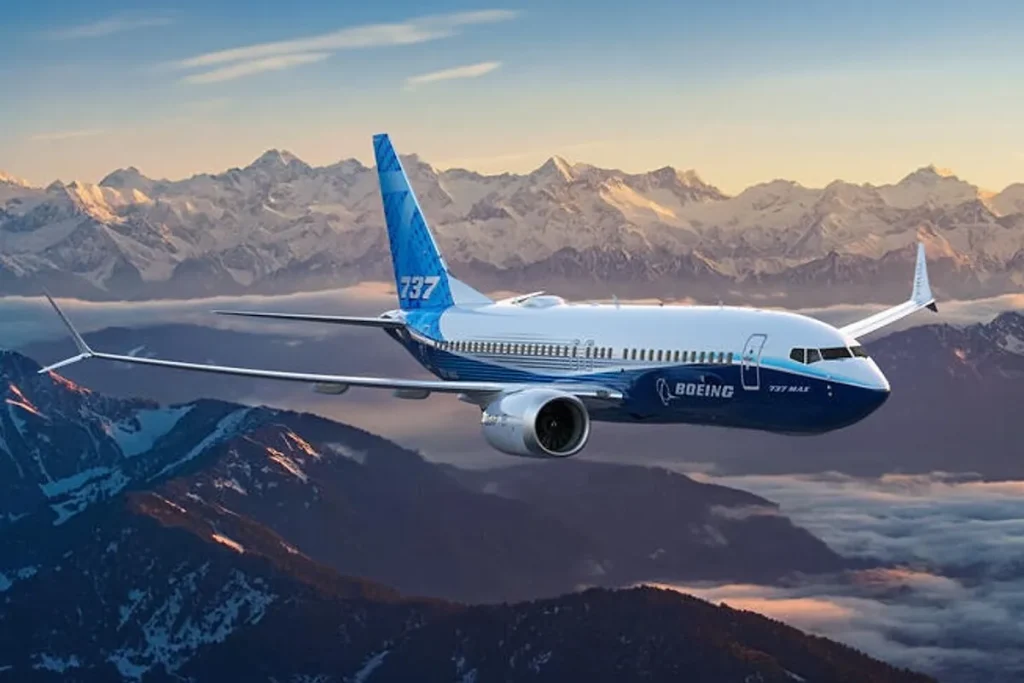
Now, with approval having been granted, the 737-7 and the still-pending 737-10 will close a chapter in the 737 MAX programme and move Boeing closer to certifying the full MAX family. The recovery path, truly beginning in 2024, requires not just FAA approval but also safe, high-quality production at scale, with no quality issues emerging early in the service life.
The significance of the 737-7 is huge, not just as an aircraft finally being permitted to enter service but because of the journey it has been on, spanning more than 3,000 days and what it means for the recovery efforts that Boeing has poured so much time and money into.

ABOUT THE AUTHOR
Daniel Fowkes is a Melbourne-based aviation analyst and journalist with over a decade of industry experience. As founder of Dj’s Aviation, he delivers trusted analysis on aircraft, airline strategy and global aviation trends for djsaviation.net
Related Articles




Stay Informed
Get the latest aviation news, analysis and route updates delivered to your inbox.
We respect your privacy. Unsubscribe at any time.
Enjoyed this story?
Make us your go-to for aviation news
Add us as a preferred source on Google and see our latest stories first in Top Stories.
Add Us On Your News Feed