
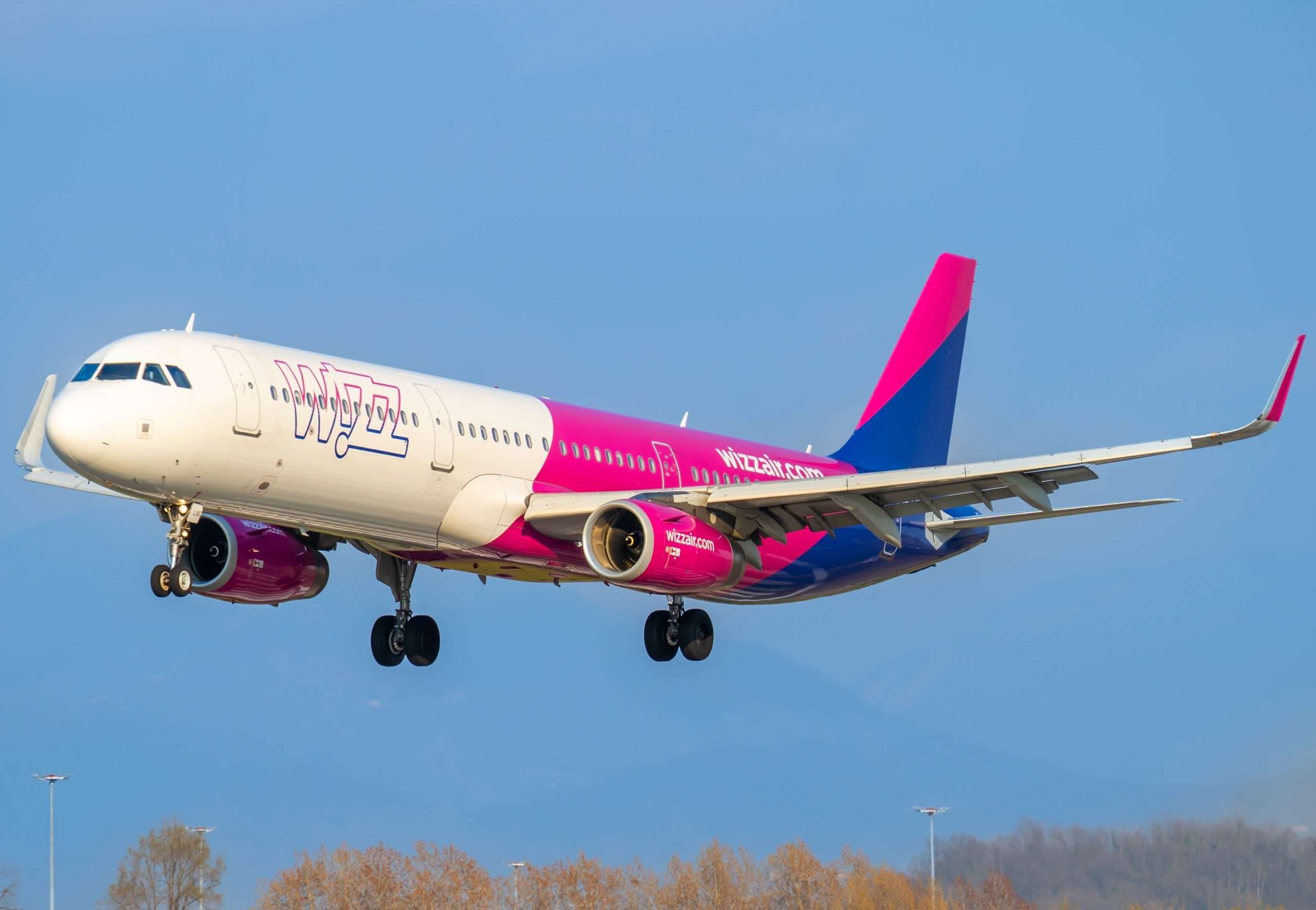
Wizz Air has confirmed that its long-term fleet renewal strategy is taking the next step forward with the planned retirement of the Airbus A321ceo.
The current engine option has long held a place in the airline’s operations, and as one of Europe’s leading low-cost airlines, it has served customers for years; now that era is coming to a close.
As part of the planned phase-out, the exit will be gradual, with aircraft originally delivered in December 2016 departing between now and March 2029, totalling 41 aircraft, as part of the shift towards newer planes.
Most of the A321ceos are currently based at the budget carrier’s Hungarian bases; additionally, several operate under Wizz Air Malta.
The aircraft, which is kicking off the transition and leaving the fleet, is around six years younger, however, than the average age of commercial aircraft; this is based on the IATA Global Outlook for Air Transport published in December 2025, and while this is out of the ordinary, it is for a good reason.
Why The A321 Is Being Phased Out
A decision to axe the A321ceo from the fleet over the coming years, despite its still-young age compared with other airlines that retain these fleet types for multiple decades, comes down to the business model and fleet strategy.
Wizz Air is committed to operating one of the youngest and most modern fleets in the industry, and certainly in Europe. While the A321ceo has served the business, its retirement underscores a continued effort to invest in the latest technology to not only improve the bottom line but also deliver a consistent product for customers.
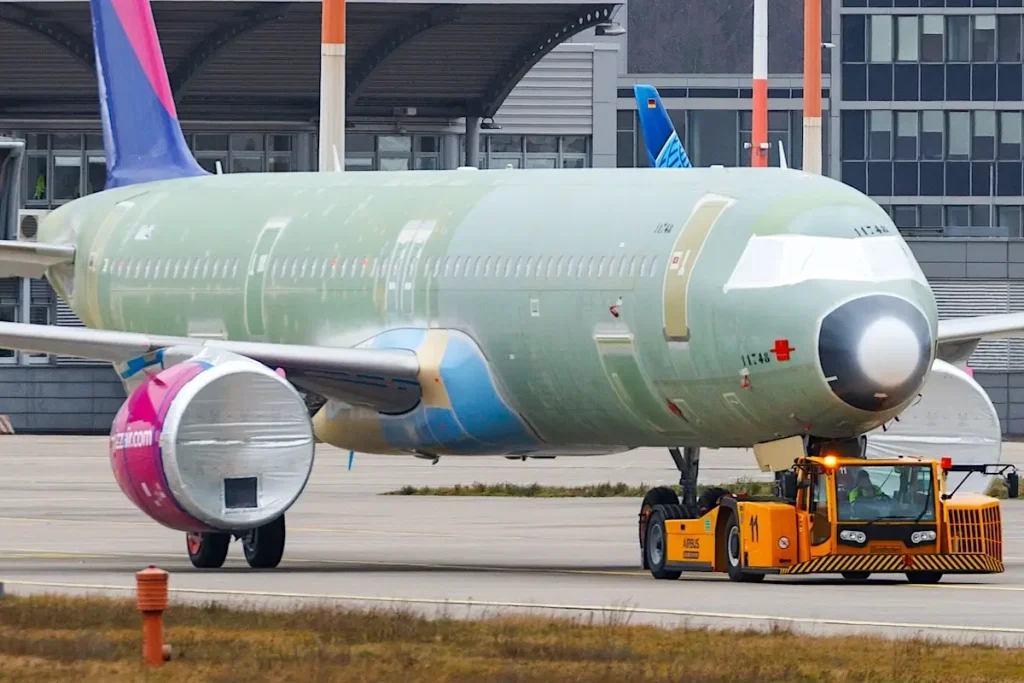
The A321ceo remains a capable aircraft used by airlines globally for single-aisle connectivity, but on paper, it simply cannot match the fuel efficiency, environmental performance, and maintenance benefits of the new A321neo.
For a carrier like Wizz Air, that matters: its whole business model depends on squeezing the lowest possible cost out of every single sector, keeping its flight prices low for passengers and making it a budget carrier for the masses.
As a result, with the fleet maturing, keeping older CEOs for this type of airline becomes less attractive. Moving to the A321neo creates not only better operating economics but also supports simpler requirements and keeps commonality at the forefront.
A More Efficient Wizz Air Fleet
Wizz Air’s fleet currently sits at an average age of 4.57 years; it is therefore among the youngest of any major airline in Europe, and with the retirement of the A321ceo, the business can continue to bring on next-generation A321neo jets.
With the retirement of the A321ceo, in the next 6 years, the business only forecasts the average age of its fleet to increase by 2 years, to 6.39, which is only a minor increase and is to be aided by the outgoings, but the consistent stream of new deliveries ensures the fleet stays youthful.
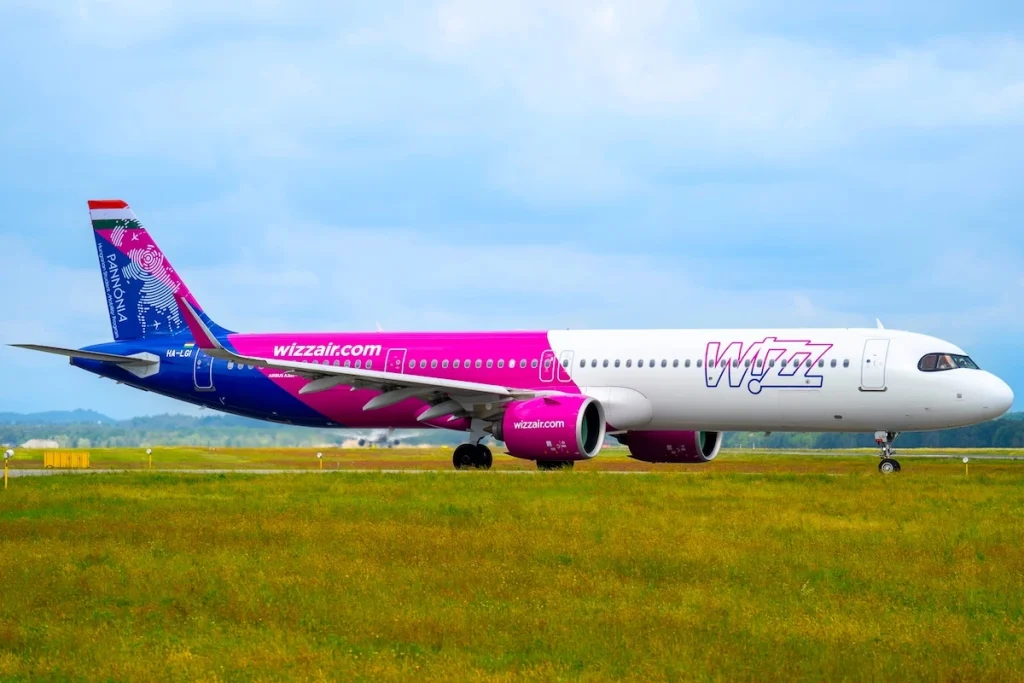
Across the network today, the neo model represnets already 75% of the fleet; that figure is set to rise dramatically as the environmental and sustainability side is a key focus for the business, as much as reducing costs wherever possible to ensure sustained profitability.

ABOUT THE AUTHOR
Daniel Fowkes is a Melbourne-based aviation analyst and journalist with over a decade of industry experience. As founder of Dj’s Aviation, he delivers trusted analysis on aircraft, airline strategy and global aviation trends for djsaviation.net
Related Articles




Stay Informed
Get the latest aviation news, analysis and route updates delivered to your inbox.
We respect your privacy. Unsubscribe at any time.
Enjoyed this story?
Make us your go-to for aviation news
Add us as a preferred source on Google and see our latest stories first in Top Stories.
Add Us On Your News FeedRelated articles
· Airlines
Allegiant Air Buys Six More 737-8s From Boeing
Daniel Fowkes
26/10/2026
· Airlines
Emirates vs Qatar Airways: The Gulf Superhub Rivalry Compared
Bryan Shelmon
26/10/2026
· Airlines
Riyadh Air Is Moving Away From Riyadh
Daniel Fowkes
26/10/2026
· Airlines
Emirates Isn’t Worried At All
Daniel Fowkes
25/10/2026