
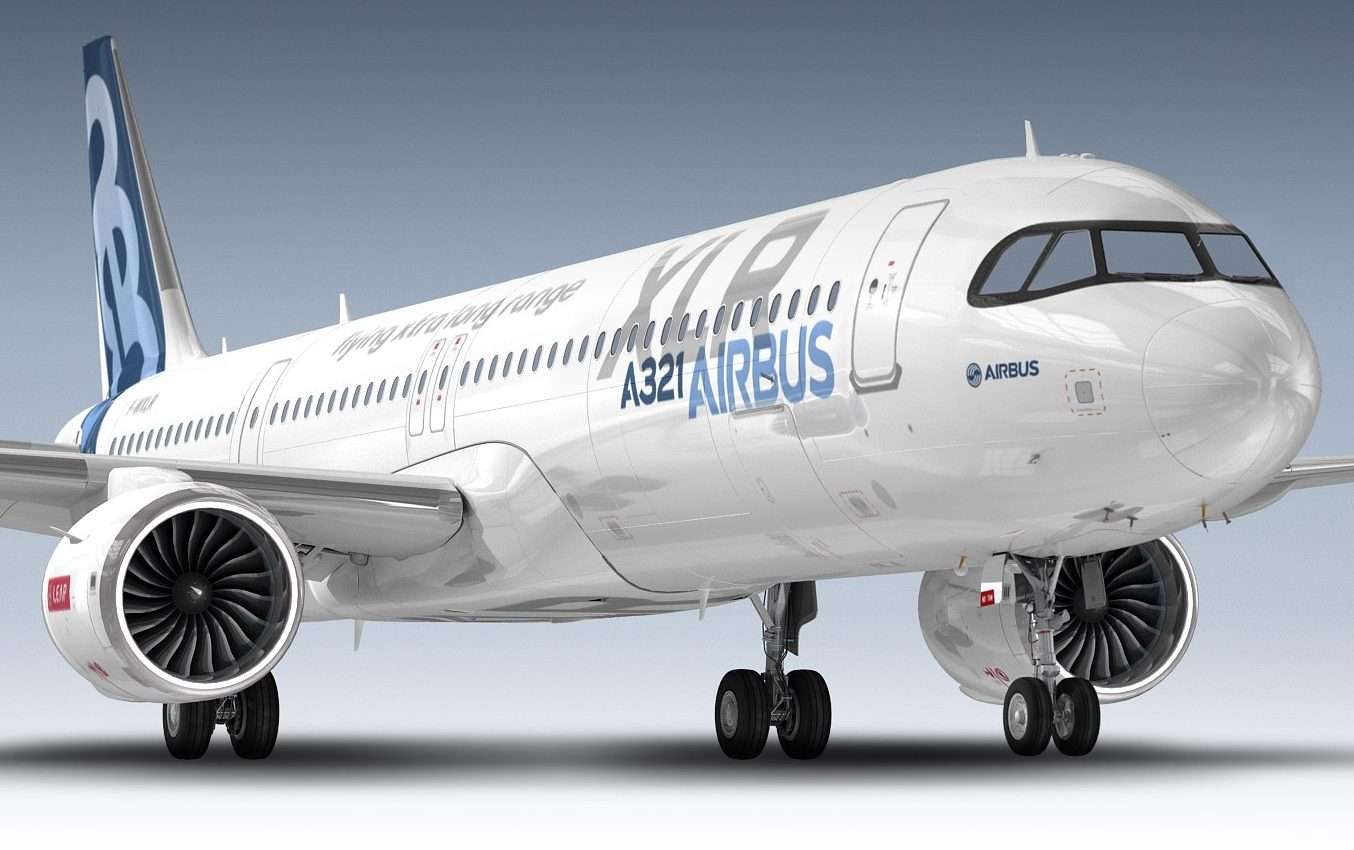
Airbus A320neo family jets, including the high-capacity A321neos, have been grounded worldwide.
Given that this aircraft is a game-changer and helps revamp airline fleets, why is it being parked, and what’s the impact?
The A321neo Groundings
When the A321neo entered service, it was pitched directly to elevate efficiency at airlines worldwide through fleet renewal or growth efforts.
However, in the last couple of years, aircraft powered by Pratt & Whitney engines have been affected by several complications leading to, at worst, groundings and lengthy maintenance.
The PW1100G series is being affected by the A321neo, which has seen airlines park aircraft up. Thanks to contamination, from issues surrounding premature corrosion to other recalls, the engines haven’t had the smoothest period in service.

Over the last few years, airlines have been forced to respond to these concerns by sending their engines into the shop for maintenance.
However, as the industry emerged from the global pandemic, supply chains hurt, paired with geopolitical tensions among more manufacturers of these engines, have been unable to keep up with the pace of the woes and demand for replacements, spare parts, and maintenance.
As a result, airlines’ windows for maintenance have blown, and securing spare engines to continue operating has seemed impossible. Thus, many planes from the A320neo, including the A321neo, have been temporarily placed on the ground.
While Pratt & Whitney remains at the centre of attention for woes with its Geared Turbo Fan Engines (GTF), there are also complications industry-wide with Rolls Royce and its Trent 1000s, which are persistently grounding Boeing 787s.
Even in the mid-2020s, engine reliability remains a concern for manufacturers, and subsequently, how airlines will deal with these complications without seeing financial and operational impact.
Air New Zealand Woes
Air New Zealand has been one of the hardest-hit airlines from the Pratt & Whitney engine saga. Their A320neo family, including the high-capacity A321neo, has been affected.
It’s expected that the number of planes on the ground in the second half of 2025 will increase, with 10 to 11 units on the ground at the same time.
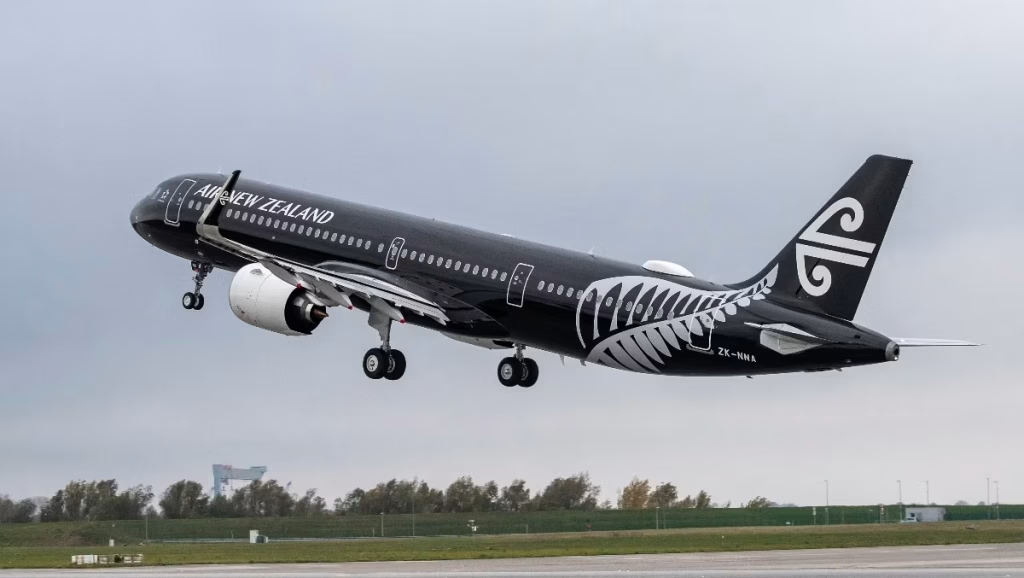
Therefore, the flag carrier forecasts that the groundings will worsen in the coming months, with all these complications driven by the engine manufacturer supply chain crisis.
The airline confirmed that around five single-aisle jets would be grounded. Fleet data currently shows that six A321neos are on the ground. Given the circumstances, these are all part of the airline’s struggles with maintaining an operational fleet.
To mitigate this impact, the carrier has been forced to try to source additional spare engines, which proves difficult. It has also made route adjustments across its single-aisle network while temporarily leasing jets.
Groundings At ANA
In Asia, Japan’s All Nippon Airways (ANA) is another company impacted by the Pratt & Whitney engine saga. As a result, many of its Airbus A321neo jets have been grounded.
In late 2023, the company confirmed it would be forced to remove flights from its schedule throughout 2024 as a direct result of the Pratt & Whitney engine crisis.
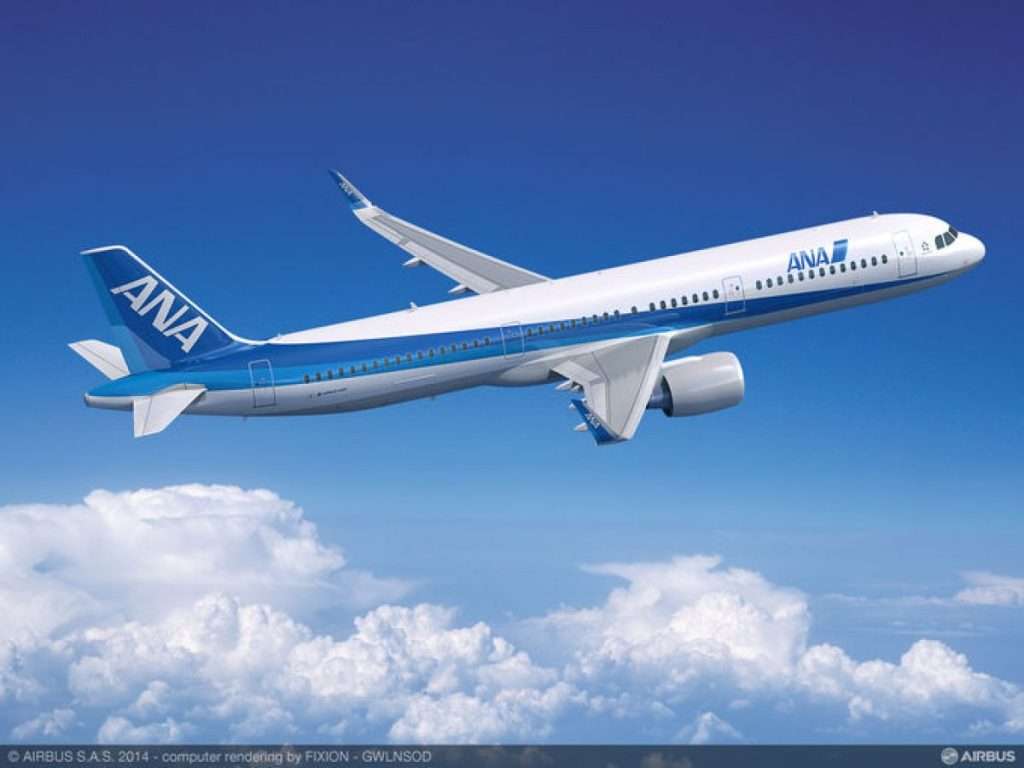
30 flights a day in the first three months of the previous calendar year were axed, resulting in a network reduction of 3.6% and impacting some of its busiest routes.
However, by late 2024, the airline also highlighted that the situation, which was expected to improve, hadn’t. Now, the Japanese carrier is predicting further woes with its GTF Engines on the A321neo.
Groundings are expected to continue, and the problems will not likely ease for at least another couple of years as parties scramble to secure additional engines for spare purposes.
Speaking with Aviation Week, ANA’s Executive Vice President stated that the overall number of A321neo aircraft grounded in its fleet had reduced. However, concerns about acquiring parts and conducting maintenance hadn’t reduced and remained a persistent problem.
The A321neo groundings also go hand in hand with operational challenges on the 787 product, with ANA, similarly to Air New Zealand, feeling the effects of this.
Hawaiian Airlines 2023 Problems
In 2023, Hawaiian Airlines also faced challenges with its A321neo fleet, announcing that five units would be grounded as part of ongoing supply chain issues.
The carrier stated at the time that it was plagued by the limitations of the A321neo and experienced capacity losses as it faced difficulties keeping the single-aisle aircraft in the air.
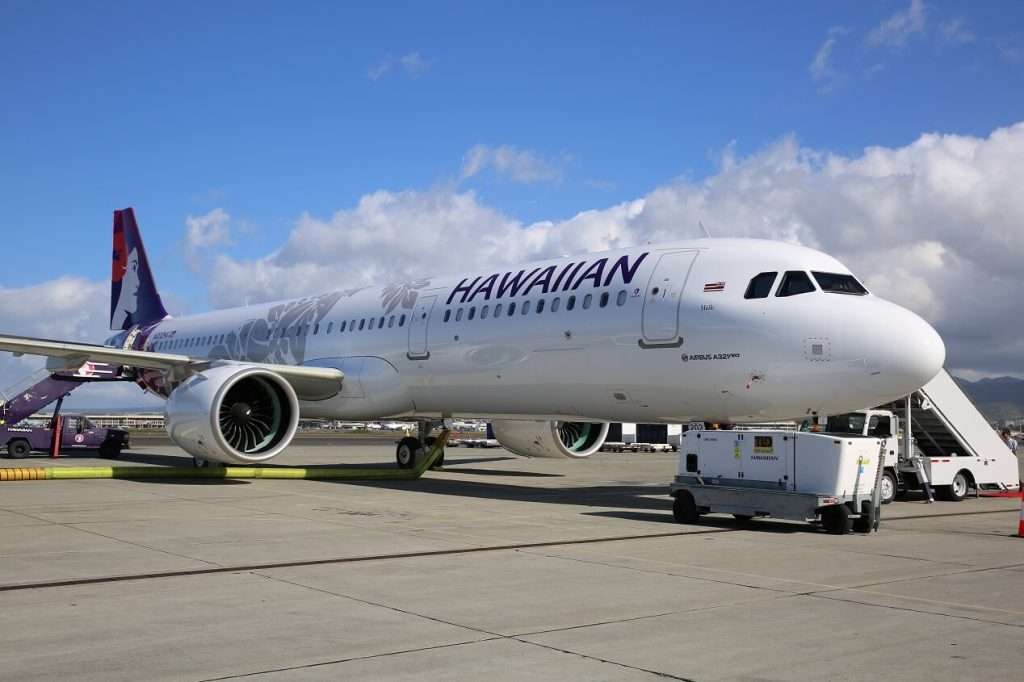
During this period, Hawaiian Airlines was forced to ground aircraft because it was simply awaiting engines. When you mix a global supply chain with labour shortages, some airlines struggled to get their planes in the air following the pandemic.
This grounding did impact the airline, with capacity across the 2023 summer schedule reduced to compensate for the lack of capacity.
These feelings and Hawaiian Airlines’ impact have been evident for the last few years. In April 2023, Cirium reported that 12% of the fleet was powered by the PW1100Gs parked.
For many airlines, the impact is expected to continue for years to come. While the effects will gradually lessen, there will still be much to navigate and recover from.

ABOUT THE AUTHOR
Daniel Fowkes is a Melbourne-based aviation analyst and journalist with over a decade of industry experience. As founder of Dj’s Aviation, he delivers trusted analysis on aircraft, airline strategy and global aviation trends for djsaviation.net
Leave a Reply
Related Articles




Stay Informed
Get the latest aviation news, analysis and route updates delivered to your inbox.
We respect your privacy. Unsubscribe at any time.
Enjoyed this story?
Make us your go-to for aviation news
Add us as a preferred source on Google and see our latest stories first in Top Stories.
Add Us On Your News Feed
I don’t understand why airlines don’t prosecute P&W and RR for the financial damage done to their business and gradually switch to more reliable engines manufacturers. Likewise Airbus and Boeing should prosecute P&W and RR for the image and commercial damage.
Make ha whiLe. Trump. Shines.
AI content. Or very poor journalism.