

Boeing’s 787 has been grounded worldwide, but why are airlines being forced to park the long-haul jet, given its importance in daily flying?
The Groundings…
Since the Boeing 787 entered service, Rolls Royce-powered model versions have struggled with reliability woes, which have affected the series’ performance for a decade.
In the 2010s, concerns related to blade cracking and corrosion-related fatigue impacting the blades were found in an ANA 787 in the early stages of 2016. Repairs were initiated.
However, nowadays, the global supply chain crisis has affected engine manufacturers around the world, notably Rolls Royce’s Trent 1000 engines, which impacted 787 customers.
Rolls Royce has stated that it continues to have problems acquiring the raw materials required to produce parts for Trent 1000 engines.
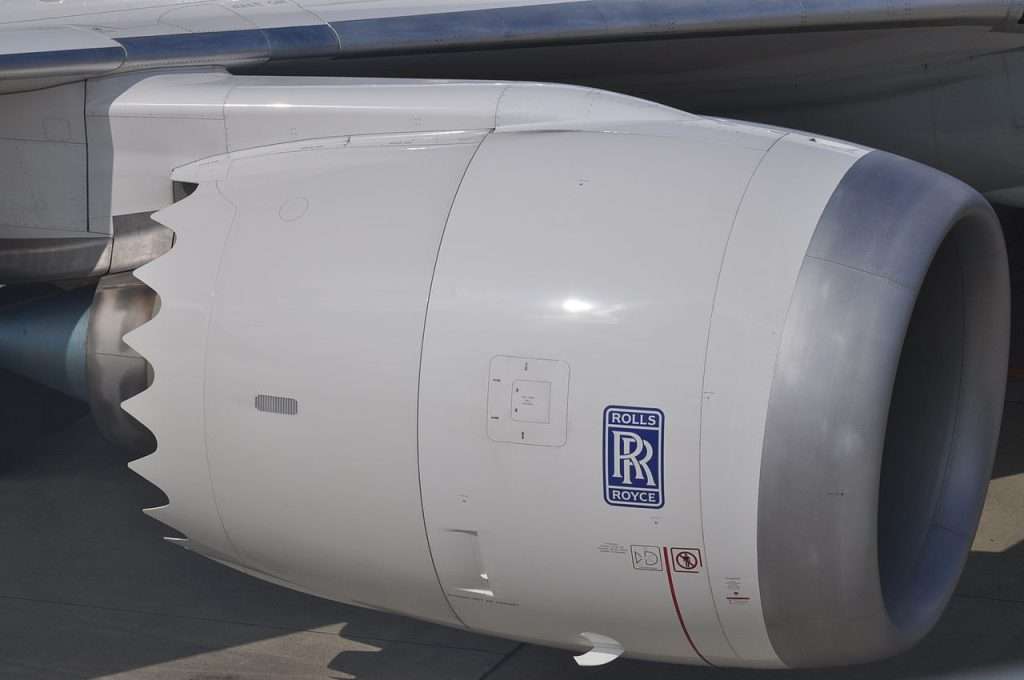
As a result, the number of new engines produced has significantly reduced, which affects the output rate. Therefore, Boeing requires the new engines to build its 787s and get them in the skies.
However, airlines with the 787 in their fleet with these engines also feel the effects, as the repairs for in-service aircraft are significantly delayed due to a lack of spare parts and a hefty buildup for engines requiring maintenance.
Vietnam Airlines stated that maintenance for the 787 was blown out by over a month at a time, which meant re-entry into service was a challenge and threw out operations and finances.
Air New Zealand Grounds 787s
One airline currently impacted by 787 groundings and engine woes is Air New Zealand, the flag carrier of New Zealand.
This company has been a long-time operator of the 787 Dreamliner; however, its time with the aircraft has been anything but smooth, with groundings also occurring during the mid-to-late 2010s and early 2020s.
In fresh updates, the airline confirmed that the number of Boeing 787 Dreamliners on the ground will grow in 2025, with pressures simply not easing yet.
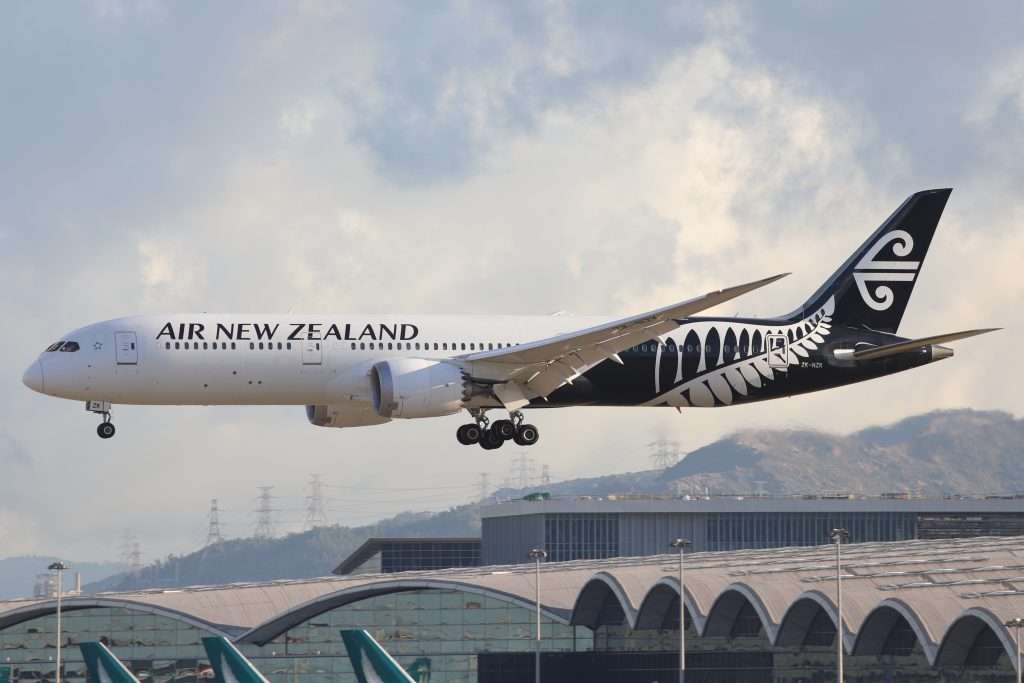
Therefore, Air New Zealand forecasts an increase in the number of planes on the ground in the 2nd half of 2025, with the units parked at 10 to 11 units.
This figure represents an increase in the 7 to 8 aircraft grounded across the 1st half of 2025 and an even more significant rise from the 5 to 6 units in the 2nd half of 2024.
Air New Zealand has also been forced to change its global route network, specifically focusing on markets served by the Boeing 787 that, given the restricted capacity, don’t make sense to continue.
Groundings At British Airways
On the other hand, British Airways will experience persistent groundings of its Boeing 787 fleet throughout 2025, according to fresh comments from the airline.
The airline’s Chief of Planning and Strategy recently spoke at a Routes Americas 2025 conference and discussed the impact that will be felt throughout this upcoming calendar year.
Moreover, as highlighted by Aviation Week, the airline has long been battling groundings for its 787 series, which has become the new norm for the UK-based flag carrier.
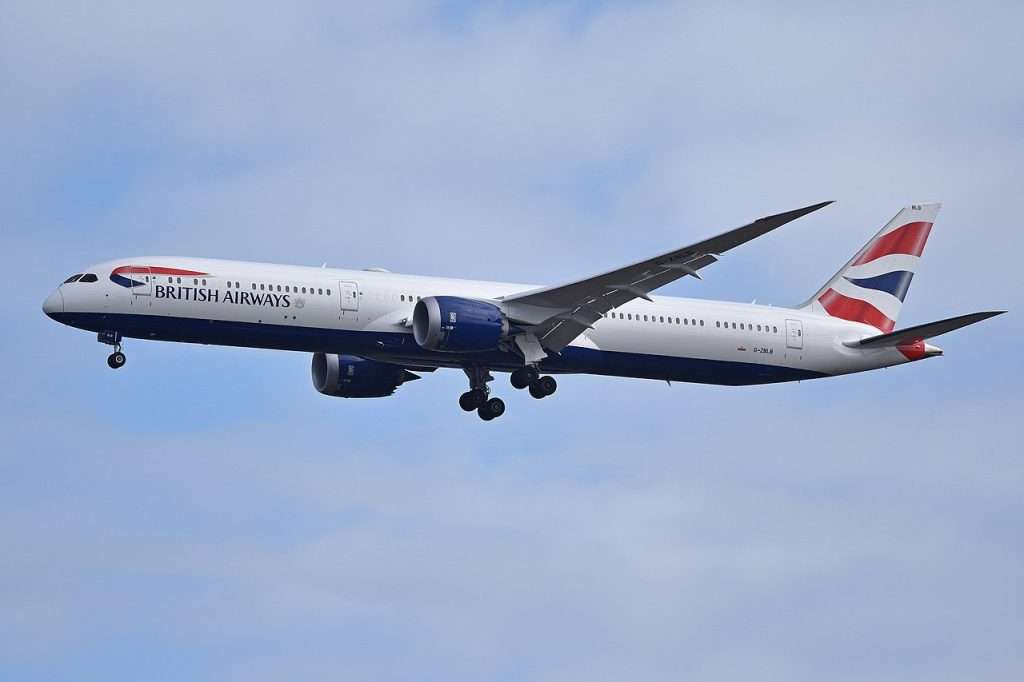
British Airways fleet data indicates that four aircraft have remained out of service, and while just four of the many it still has, these units are still causing enough disruption.
One of British Airways’ struggles is the lack of certainty surrounding when engine complications will conclude.
There is a lack of certainty about when aircraft engines will be inspected, when spare parts will arrive, and how long maintenance periods will continue.
The unknown remains unoptimal and plays a role in the airline’s short—to medium-term network planning and in generally determining available capacity.
While British Airways hopes things will improve soon, it still finds scheduling and planning for aircraft reactivation challenging when it receives mixed messages from suppliers and other parties.
To cope with the Boeing 787 groundings, British Airways has made its schedule leaner and more capable of dealing with the lack of capacity in recent years, which is expected to continue in 2025.

Several route adjustments were announced at the end of 2024 as part of network optimisation efforts and to prepare for the 787 grounding. International markets were cut, albeit temporarily.

ABOUT THE AUTHOR
Daniel Fowkes is a Melbourne-based aviation analyst and journalist with over a decade of industry experience. As founder of Dj’s Aviation, he delivers trusted analysis on aircraft, airline strategy and global aviation trends for djsaviation.net
Leave a Reply
Related Articles




Stay Informed
Get the latest aviation news, analysis and route updates delivered to your inbox.
We respect your privacy. Unsubscribe at any time.
Enjoyed this story?
Make us your go-to for aviation news
Add us as a preferred source on Google and see our latest stories first in Top Stories.
Add Us On Your News Feed
Why not return to reality from the dreamland of Dreamliner and focus only on 777 series?
Also a320 fleets world wide impacted due to engines also ! And large numbers also involved !
Are the 787s safe to fly?
Yes. If it wasn’t safe operators wouldn’t be flying them. This is a Rolls Royce issue and maintenance crews do borrow scope inspections and if damage is found then they ground that aircraft.
Sorry but the B787s that Air NZ flies are not Dreamliners. A friend who worked as an interior design engineer on the B787 project at Boeing explained that the ‘dream’ in the tag was reference to Boeing’s dream that at long last the B787 would offer passengers a sense of space after all those decades of being crammed in. Economy would be 2-4-2 down the back with everyone in decently wide seats with half having direct aisle access and the other half at most one seat from
the aisle, and half of those not on the aisle having a window. Apart from JAL airline bean counters destroyed that dream including Air NZ by reducing the seats to B737 width, packing an extra seat in every row, narrowing the aisles and while about it reducing the leg room to add more rows including directly opposite the lavatories. Nightmare Liner more like it
Has qantas/ jetstar got the same problems with there engines
This article could be cut to about a third of its length without losing any of its information content merely by cutting out the waffle.
Funny how this post is a bash on Boeing when it should be blaming Rolls Royce for not designing a reliable engine. There are no issues with the GEnx engine but this article doesn’t talk about how alot of operators have the GEnx engine option for their 787s.