
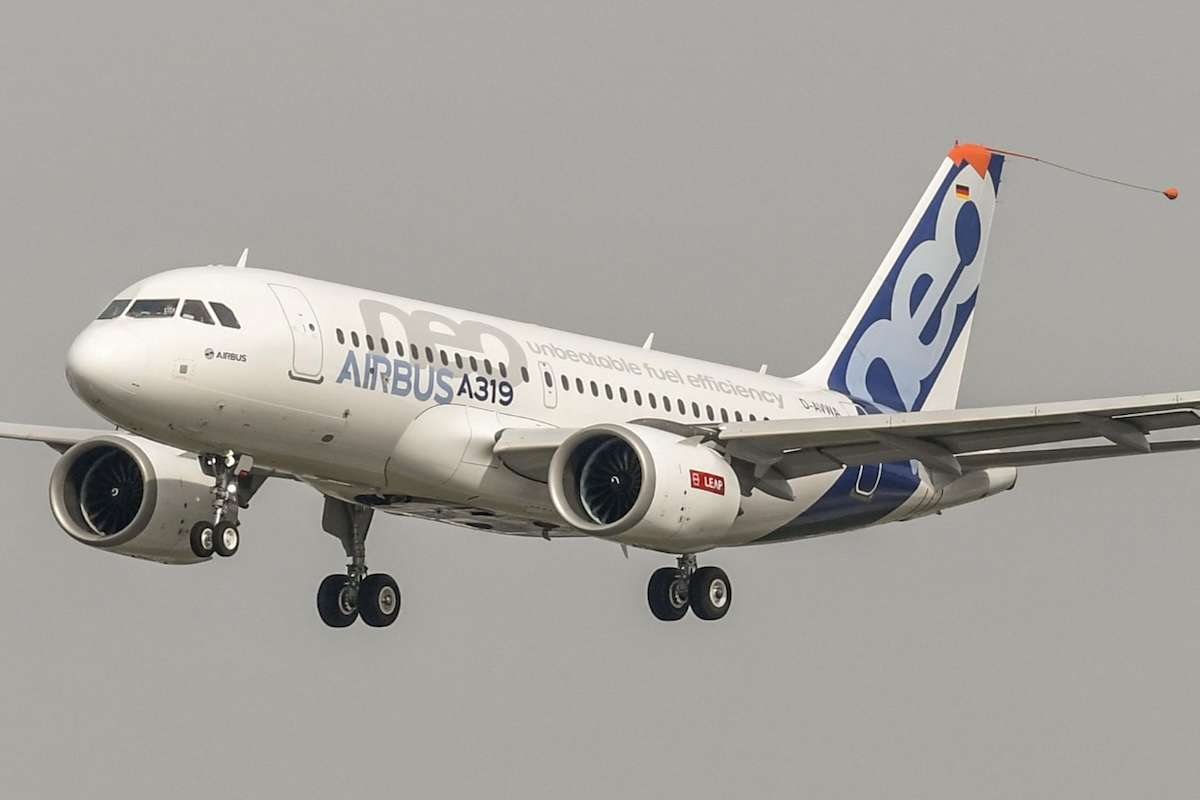
Rapid industry shifts mean the days of small commercial aircraft are numbered, and the A319neo is experiencing the downfall firsthand.
Low demand for the aircraft is prompting Airbus to consider pulling the plug on the program. It had all the potential, designed as a next-gen A319ceo replacement. However, the timing of its launch coincided with airlines beginning to eye larger aircraft.
One could argue that Airbus should have had this foresight before investing in the program. However, it was an unpredictable situation that now has the manufacturer scrambling for a solution on what to do with it next.
The Smallest Member Of The NEO Family
The A320neo family is one of Airbus’s most successful model lines, spearheaded by the widely popular A321neo and A320neo. While all the industry attention has largely been on these two aircraft, the smallest member has become a sort of black sheep of the family, with barely any interest.
The A319neo program launched at the end of 2010 with the first aircraft delivered in 2022. It was developed to replace the A319ceo and became the shortest variant in the A320neo family. At the time of the program’s launch, it was considered a necessary market segment.
The A319neo is a narrowbody aircraft with capacity for up to 160 seats. It has a range of 6,850km (3,700nm). Within the NEO family, it upgraded the original A319 to offer a longer range and better fuel efficiency.
One of its biggest advantages was its ability to perform better on shorter runways and at higher altitudes. These advantages are what stirred the initial demand for the aircraft, though minuscule compared to what Airbus originally predicted.
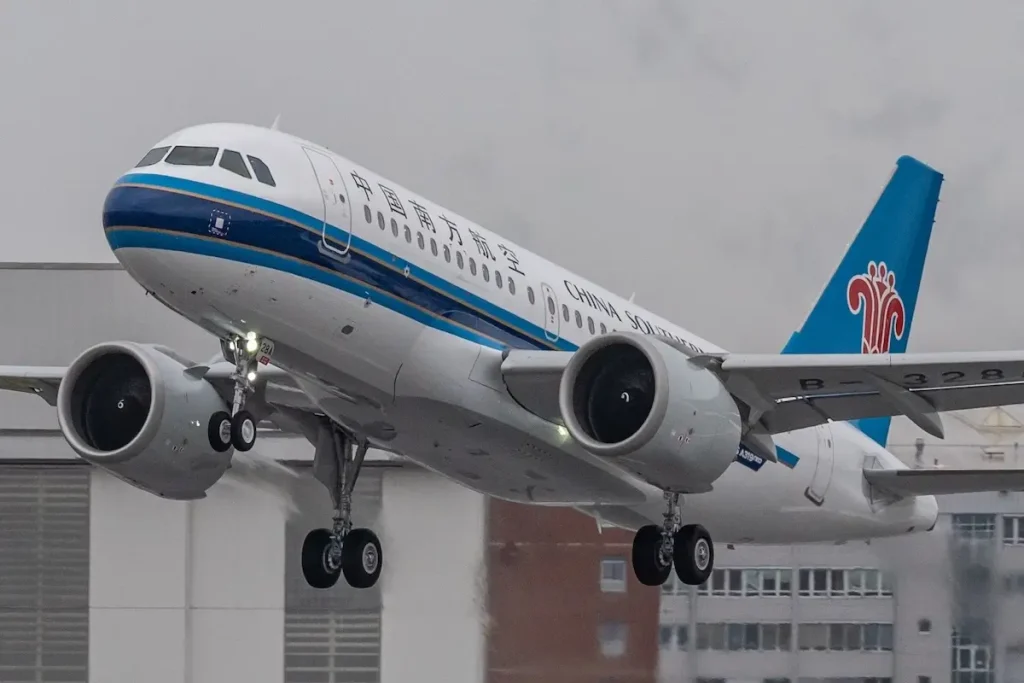
Since its launch, the A319neo has received only 57 orders from commercial airlines. These airlines include Air China, China Southern Airlines, and Tibet Airlines, which all had one thing in common: they operated in higher altitudes at airports with shorter runways. The very niche that this aircraft was capable of operating in.
Unfortunately, the A319neo failed to garner any real interest outside of the Asia market.
Airlines Shift To Larger Narrowbodies
A closer inspection of the A319neo program launch and first delivery dates hints at one of the most impactful moments in airline history, changing the way we fly. The COVID pandemic happened just a few years before the first aircraft was delivered to China Southern Airlines.
Due to the pandemic, the entire airline industry underwent unprecedented change. First with grounded flights, but as travel restarted, airlines saw demand surge. Both for domestic and internal travel. By this time, the A319neo was already completing flight testing and certifications, so it was still released under the pretence of the pre-pandemic travel scope.
The result was that the A319neo accomplished the exact opposite of what airlines now needed. Globally, airlines began targeting aircraft with greater capacity to meet growing travel demand.
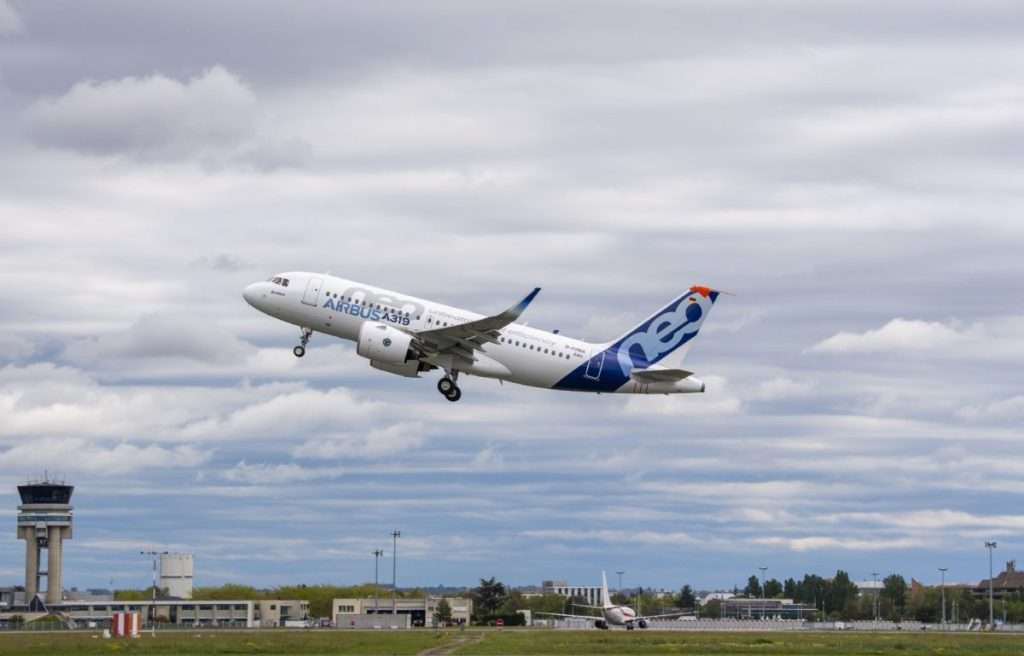
The A319neo was specifically designed as the smallest model in the NEO family, so the A320neo and A321neo immediately overshadowed it. These are also narrowbody aircraft with enhanced fuel efficiency, but they offer more seating capacity thanks to their stretch designs.
One of the best examples of the shift happened with the former Spirit Airlines. It ordered 31 A319neo aircraft in 2020, but switched the entire order to the A321neo in 2023. The reason? The larger capacity would work better for its operation.
Other airlines that operated the A319, including American Airlines and United Airlines, never placed orders for the newer NEO model. As a result, the three Asian airlines were the only commercial airlines to receive deliveries and accounted for more than half of the aircraft’s total sales.
A220 Comes Into The Equation
Aside from airlines shifting towards larger aircraft, there was still a market for smaller aircraft on shorter domestic routes. Airlines still needed to satisfy these markets, in which the A319neo would still be a good fit. Not exactly. One of the biggest competitors to the A319neo would be Airbus itself.
The A319neo program had already begun when Airbus acquired rights to the Bombardier C Series aircraft, which it would later name the A220. These were both next-gen aircraft designed with improved engines and better fuel efficiency.
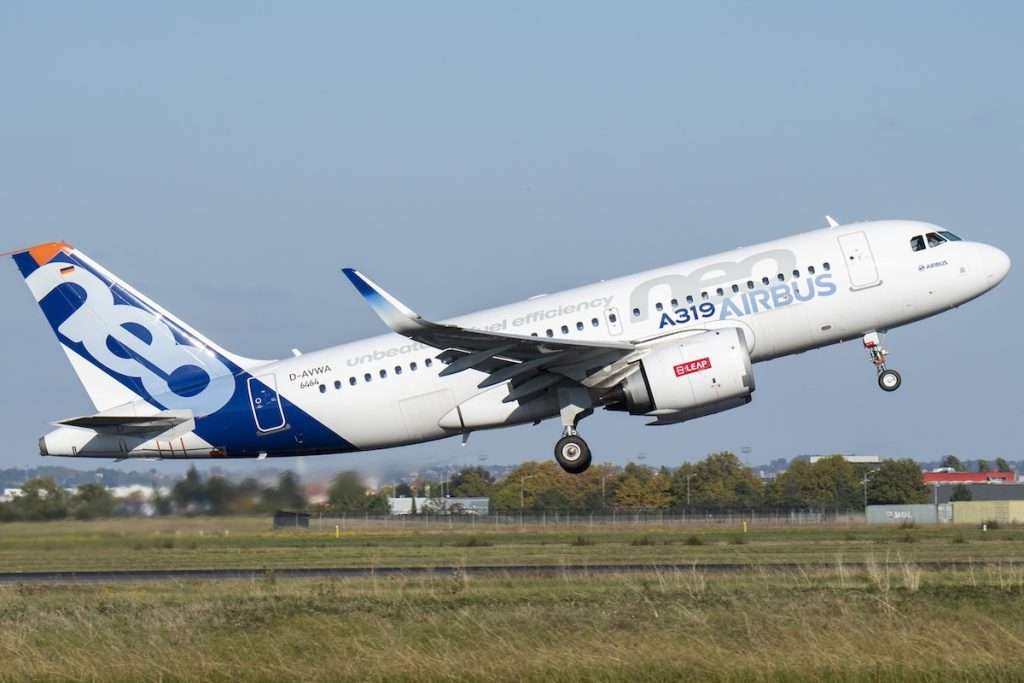
The A220 was comparable in size, accommodating 130 to 160 passengers and offering a range of 6,300km (3,400nm). It was slightly smaller than the A319neo, however, so the Neo model still appeared superior on paper.
The most significant differences involved the financials of the two aircraft. The A220 was smaller and lighter, so it could operate with better fuel efficiency. Also, it was approximately US$10 million cheaper to purchase new. Both figures add up significantly, given that more than 1,100 A220s have been ordered since their release.
Any consideration for the A319neo could easily be justified for the alternative A220 aircraft.
Was The A319neo Doomed?
The A319neo program fell significantly short of Airbus’ expectations. Low demand and sales are evidence that airlines have indeed shifted their focus to other aircraft within the same family.
Airbus even admits that the program doesn’t have long before it comes to a close. It has just a few aircraft left in its backlog to deliver to Air China before the aircraft reaches the end of commercial production.
Before the curtains close on the A319neo, it has one last opportunity in the ACJ market. Airbus has offered the aircraft as a corporate jet due to its size, which allows it to navigate smaller airports, and its fuel efficiency. Governments, corporate entities, and other undisclosed purchasers have already picked it up.
This market is substantially smaller than the expected commercial market, so it’s still far off from the original production expectations. However, the ACJ angle may finally bring some positive rapport for the A319neo.

ABOUT THE AUTHOR
Bryan Shelmon is an aviation journalist with 10 years of experience covering commercial aviation, private aviation, airports, aircraft and wider industry news. Based in the Detroit metropolitan area, he has contributed to publications including Lonely Planet, Matador Network and Visit Detroit.
Related Articles




Stay Informed
Get the latest aviation news, analysis and route updates delivered to your inbox.
We respect your privacy. Unsubscribe at any time.
Enjoyed this story?
Make us your go-to for aviation news
Add us as a preferred source on Google and see our latest stories first in Top Stories.
Add Us On Your News Feed