

It must be said that United Airlines is struggling as the carrier battles with challenges resulting from problems at Newark Liberty.
The United States’ East Coast airport is crucial to the airline’s operation as it uses this location to help feed traffic towards many markets.
Unfortunately, United Airlines’ struggles are now reaching a point where its reputation is sinking, and financial hurt is arriving for the established U.S. carrier.
Flight cancellations and substantial delays are only increasing, impacting the airline’s ability to serve an optimal and robust network.
While Newark is still a key airport for other airlines in the United States, such as American Airlines and Delta, which are competitor carriers, United Airlines is more critical.
That importance is driven by Newark’s role as a key hub for United Airlines and its fellow Star Alliance members. Therefore, its grip on the airport is larger than that of its counterparts, and its market share is more substantial.
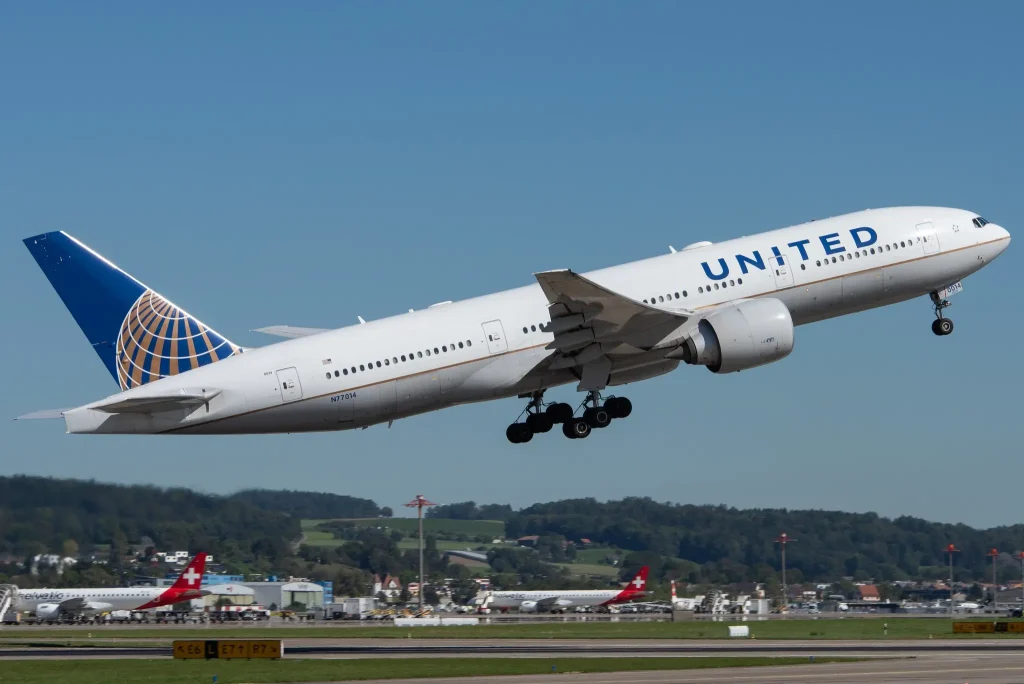
With such a reliance on Newark Liberty, an operational collapse becomes a bigger cause for concern moving forward. Since problems first emerged at the end of April, thousands of flights across the network have been affected.
The use of larger aircraft continues to be floated as a means to try and limit the impact on the United Airlines operation, but that takes away from other markets that require the capacity.
Ultimately, irrespective of how United looks to find ways to avoid the complications, it won’t fully be okay, and now that financial hurt is coming into the picture, it becomes an ever-more-pressing concern that must be rectified.
Why Is United Airlines Affected?
The source of the problem centres around compounded technology issues. Because air traffic controllers rely on this, flights cannot operate at their standard rate.
As confirmed by the United Airlines CEO, Scott Kirby, 20% of the FAA controllers based in Newark are also walking off the job.
The walkout represents a generalised inability to maintain a robust schedule. As a result, changes must be made to maintain what is currently left of the flying schedule before the rest crumbles.
Data from Flightaware for May 3 showed that 80 cancellations compounded 350 delays, and the trend continued throughout the weekend just gone, with disruption heightened.

Ultimately, this figure represents a small fraction of the impact on the United Airlines network, the effects on partner airlines’ traffic, and much more.
The longer this goes on, the more frustrations of customers who have invested significant amounts of money to fly, have business meetings, holidays, or essential reasons for travel, emerge as these key things are missed.
The situation continues evolving. Kirby stated that Newark Liberty finds itself in an unfortunately unique position where, despite strong demand and airlines wanting to use the airport, the staff and thus resources cannot handle the traffic being seen.
Technology aside, one of Newark’s biggest challenges has also been the understaffing of air traffic controllers. Worse still, and only aggravating the frustrations present, is the realisation that this has been a problem for some time.
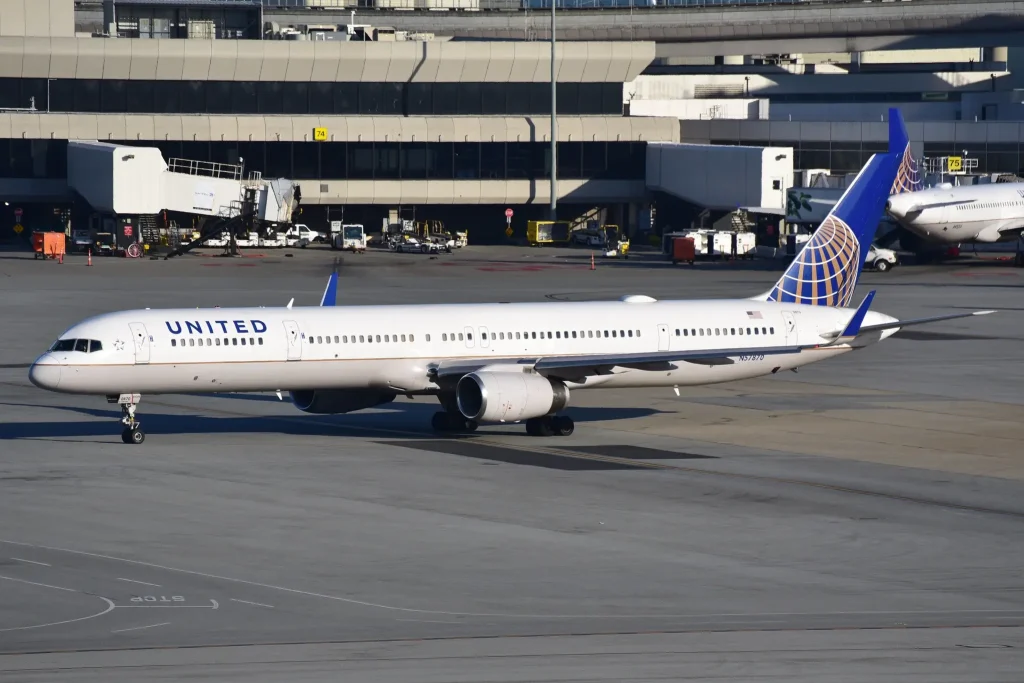
Kirby reaffirmed analysts’ views that this has been a problem for years. It has been mentioned but has yet to be addressed. While now it is essential, this was ultimately something brewing for a while, and this is the result.

ABOUT THE AUTHOR
Daniel Fowkes is a Melbourne-based aviation analyst and journalist with over a decade of industry experience. As founder of Dj’s Aviation, he delivers trusted analysis on aircraft, airline strategy and global aviation trends for djsaviation.net
Related Articles




Stay Informed
Get the latest aviation news, analysis and route updates delivered to your inbox.
We respect your privacy. Unsubscribe at any time.
Enjoyed this story?
Make us your go-to for aviation news
Add us as a preferred source on Google and see our latest stories first in Top Stories.
Add Us On Your News FeedRelated articles
· Airlines
Allegiant Air Buys Six More 737-8s From Boeing
Daniel Fowkes
26/10/2026
· Airlines
Emirates vs Qatar Airways: The Gulf Superhub Rivalry Compared
Bryan Shelmon
26/10/2026
· Airlines
Riyadh Air Is Moving Away From Riyadh
Daniel Fowkes
26/10/2026
· Airlines
Emirates Isn’t Worried At All
Daniel Fowkes
25/10/2026