

Fresh developments surrounding the uncertified nature of two 737 MAX variants spell further bad news for Boeing.
The Air Current, a leading trade publication, states that while progress has been made in the ongoing certification process of the 737-7 and 737-10, roadblocks remain.
Those roadblocks surround the finalised design to address the engine anti-ice, or more commonly referred to as the EAI system.
This system is something that Boeing said it would commit to having solved and remedied under the guidance of the governing regulator, the Federal Aviation Administration, before first delivery was facilitated.
Described as a key safety issue, and given the scrutiny the program has been under for over half a decade, there has been a strong focus from industry analysts, the FAA, and others on how Boeing would address this.
This means that the likelihood of Boeing achieving the previously outlined 2025 certification remains highly unlikely, given the circumstances, and a certification in 2026 would be a more guaranteed outcome.

This revised timeframe represents another setback in the process of certifying the remaining two variants in the 737 MAX program, which continue to be held back by the EAI system despite continued attempts to rectify the issues, which are not satisfactory.
Boeing Frustrates Customers
What the latest set of delays means is more frustrations for airline customers who are still awaiting the delivery of their next-generation aircraft.
These 737 MAX jets were meant to be certified years ago; instead, airlines now expect their first deliveries possibly in the first half of 2026, or at the latest, in 2027, with many unknowns remaining in the process.
Time and time again, Boeing has presented internal estimates for when it would certify its remaining MAX jets; however, these timeframes have not been met on several occasions now.
As a result, airlines’ fleet renewal efforts have been hindered by challenges in replacing older, less efficient planes due to an inability to acquire their dedicated replacements.
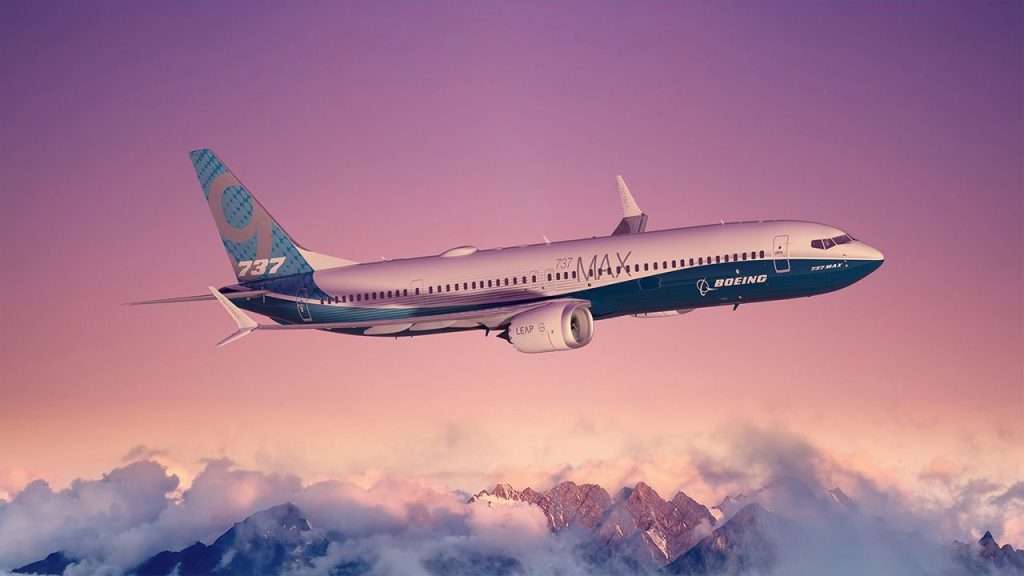
While these frustrations have at times been expressed in the public domain, they’re now the accepted reality as airlines battle with the delays, which also means that Boeing faces the possibility of losing market share.
Not all airlines will make drastic shifts in their future fleet makeup; however, United Airlines has been one airline to take matters into its own hands and change its future fleet composition, driven by delays in acquiring the uncertified 737-10.
The major U.S. carrier has opted for more A321neo jets from Airbus, knowing these planes will be delivered sooner rather than later, with less uncertainty.
Furthermore, they’ve swapped 737-10s for other certified, more accessible variants, which offer at least a greater guarantee that the other types will arrive when the airline needs the capacity most, something that cannot be guaranteed with the 737-10.

ABOUT THE AUTHOR
Daniel Fowkes is a Melbourne-based aviation analyst and journalist with over a decade of industry experience. As founder of Dj’s Aviation, he delivers trusted analysis on aircraft, airline strategy and global aviation trends for djsaviation.net
Related Articles




Stay Informed
Get the latest aviation news, analysis and route updates delivered to your inbox.
We respect your privacy. Unsubscribe at any time.
Enjoyed this story?
Make us your go-to for aviation news
Add us as a preferred source on Google and see our latest stories first in Top Stories.
Add Us On Your News Feed