

Air Canada’s future presents excellent opportunities, but there is also a great deal of focus on emerging competition and strategic investments that could make or break the carrier.
Unveiled in its 2024 Investor Day, Air Canada discussed the next decade of its business as it attempts to solidify its position as one of the biggest airlines in North America.
Focusing on fleet modernisation will lower costs and expand the airline’s network. Moreover, the airline is heavily focused on enhancing the customer experience, for which it has recently received a lot of criticism.
Underlying the airline’s ambition is its hope to achieve $30 billion in revenue by 2028. This is a significant effort and will give the flag carrier something to work towards in the future.
Air Canada To Renew Its Fleet
Central to Air Canada’s growth strategy is introducing 67 next-generation aircraft by 2028, including Boeing 787-10s, Airbus A321XLRs, and Airbus A220s.
These aircraft promise much-improved fuel efficiency over the aircraft they are replacing, and their arrival will also facilitate fleet renewal efforts.
The A220s and A321XLRs, in particular, play a critical role in serving medium-haul routes and thinner markets. These routes still require connectivity, but maybe not to the extent of widebody planes.
These planes will be even more critical following Air Canada’s announcement that it would reposition its 737 fleets towards the leisure branding of Rogue moving forward. This will enable greater optimisation and a heavier reliance on planes such as the XLR.
As for widebodies, the 787-10 will boost capacity across key markets and enable the airline to finally serve locations that may be out of reach because of limitations in aircraft availability.
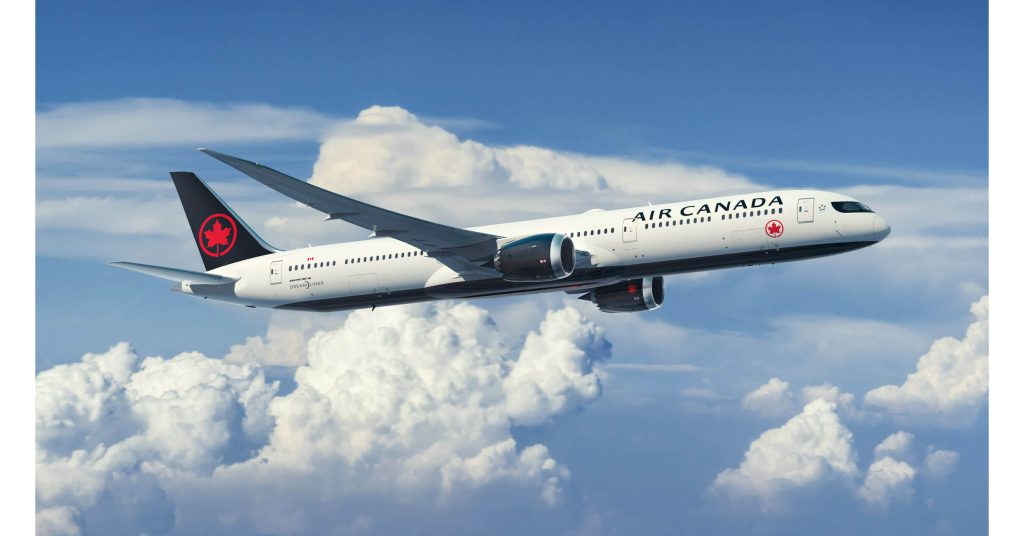
However, the aircraft will allow Air Canada to try to remain competitive in an industry where airlines across North America and key international markets that the flag carrier serves continue to advance.
This major fleet modernisation will improve the airline’s financial performance across markets in the long term, and thanks to other enhancements and flexibility, it will significantly increase customer satisfaction levels.
Growing The Route Network
Air Canada’s network expansion strategy involves leveraging its Toronto, Montreal, and Vancouver hubs to connect Canada with international markets.
The airline aims to capture a larger share of traffic where passengers transit through Canadian airports en route to other global destinations.
According to the airline’s latest estimates, this market is projected to contribute $900 million in additional revenue. It will help grow Canada as an end destination and a fantastic bridge.
With the introduction of ultra-long-range aircraft like the A321XLR, Air Canada is poised to serve new direct routes to high-growth regions, including Asia, Europe, and South America.
These aircraft enable the airline to target underserved or emerging markets. This should strengthen the global market and allow the airline to compete with airlines looking to offer something similar.
Making Customers Proud Again
Air Canada is committed to elevating passenger satisfaction through investments in its onboard product and service offerings, which could range from seating to technologies at airports worldwide.
In recent times, most Canadians have told you that the service of the flag carrier at the premium price point has dropped quite significantly, from the onboard experience to the customer support.
Air Canada wants to invest heavily in changing this and feels it must do so to ensure its brand reputation doesn’t continue taking hit after hit. If reputation diminishes, the carrier will lose market share as customers turn to competitors with greater reliability and focus on the people.
A $1 billion investment in fleet-wide enhancements includes upgraded cabin interiors, improved seating configurations, and a fast, free Wi-Fi rollout by 2026. These are some of the airline’s attempts to increase satisfaction levels onboard, but much more will be done.
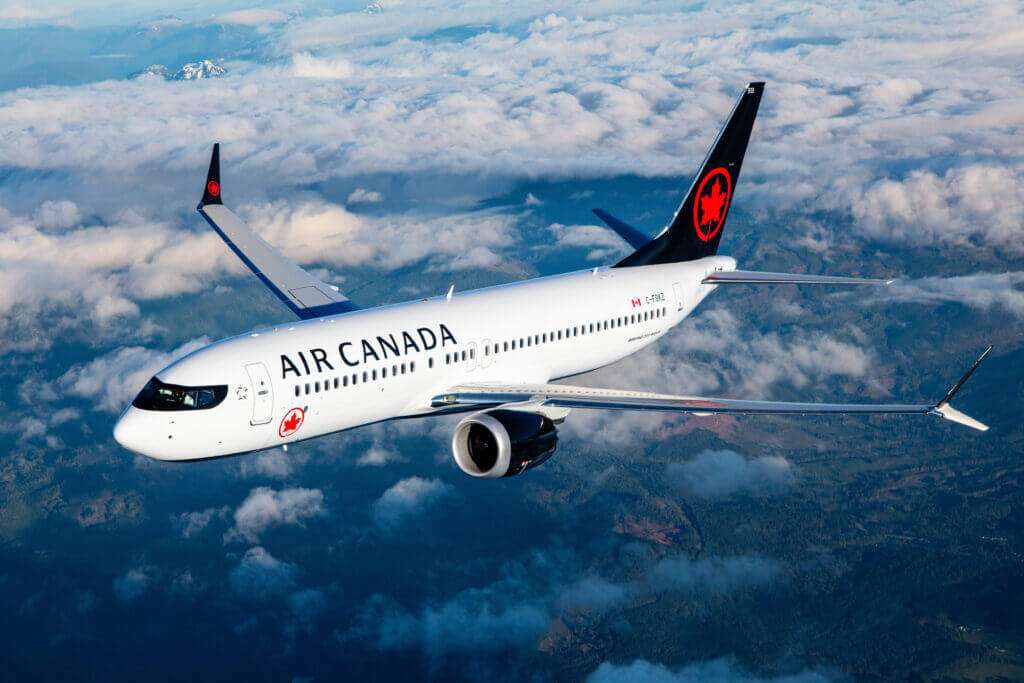
Air Canada will invest in several of its hubs across the country and put in work behind the scenes. The airline is also expanding premium seating options in business and premium economy, catering to high-value travellers while introducing improved dining and entertainment for economy passengers.
These improvements align with increasing premium revenue by 24% by 2028. This is ambitious, but the carrier will feel well positioned to achieve it, thanks to the recent revenue increase trend across the industry.
Air Canada Eyes Ultra Long Haul Flights
Arguably, one of the carrier’s most exciting endeavours is looking beyond 2030. The planned launch of ultra-long-haul flights will reshape its current long-distance capabilities.
These routes, facilitated by next-generation aircraft, aim to connect Canada directly to destinations such as Southeast Asia, Australia, and Africa without a single stop, freeing up existing planes to serve other markets more adequately.
For Air Canada, the ability to operate ultra-long-haul flights is a new opportunity to serve new markets for the first time and give it unprecedented control of locations while fending off competition.
Ultra-long-haul flights are expected to become a competitive advantage as more people travel and seek more direct connections rather than being forced to stop occasionally.
The specifics of these flights have yet to be determined, given that the launch date is still some time away; nevertheless, they remain an important focus.
How To Be Robust For The Future
While pursuing ambitious growth through its network and fleet, Air Canada remains committed to financial discipline to ensure the longevity of its business for decades.
As part of that all-important discipline, the carrier plans to keep capital expenditures below 12% of revenue and achieve a free cash flow margin of 5% by 2028.
Strategic measures, including sale-leaseback transactions and fleet ownership optimisation, are set to be pivotal. These measures will ensure that shareholders receive value and that investments can be sustained.

Operational reliability will form another fundamental part of the airline’s strategy as it attempts to optimise its schedule and find ways to further enhance on-time performance. Although this has increased by 17 percentage points recently, the airline wants to continue improving.
An Important Future
The next decade will be necessary for Air Canada, and it believes it has all the fundamental pieces to advance further.
Important pillars, such as fleet renewal and growth, network optimisation, and continued investments in the airline’s customer experience, will be crucial.
Moreover, exciting endeavours, such as the launch of ultra-long-haul flights, present an opportunity to serve new and emerging markets in the future.

ABOUT THE AUTHOR
Daniel Fowkes is a Melbourne-based aviation analyst and journalist with over a decade of industry experience. As founder of Dj’s Aviation, he delivers trusted analysis on aircraft, airline strategy and global aviation trends for djsaviation.net
Related Articles




Stay Informed
Get the latest aviation news, analysis and route updates delivered to your inbox.
We respect your privacy. Unsubscribe at any time.
Enjoyed this story?
Make us your go-to for aviation news
Add us as a preferred source on Google and see our latest stories first in Top Stories.
Add Us On Your News FeedRelated articles
· Uncategorized
· Routes
WestJet Is Cancelling 3 European Routes
Daniel Fowkes
03/10/2026
· Uncategorized
Lufthansa’s Boeing 777X & Airbus A350 Gamble
Bryan Shelmon
10/09/2026
· Emergency Landing
· Uncategorized
SWISS A330 Makes Emergency Landing As Smoke Fills Aircraft
Daniel Fowkes
28/07/2026
· Uncategorized
Airbus A321XLR and Boeing 787 Avoid Collision
Daniel Fowkes
19/07/2026