

As part of its investor day for 2024, Air Canada has announced plans to begin ultra-long-haul flights in 2030.
The launch of ultra-long-haul flights is considered part of network development. It will enable the Canadian flag carrier better to connect cities across its home country with the world.
Moreover, all this will be possible thanks to the persistent development of aircraft and the flexibility that specific variants offer. As more widebody jets enter the fleet, pressures are expected to ease on existing units and free up these planes to complete new endeavours.
The New Frontiers value creation focuses on unlocking more destinations for customers while also enabling better service to existing destinations.
That fundamental focus on fleet strategy is at the heart of the future focus, with the anticipated A220, A321XLR, 787-10 and MAX at the Rouge division to be pivotal across the next four years that’ll be delivered.
From 2030 onwards, the airline revealed in its future fleet outlook that ultra-long-haul operations will contribute to its New Frontiers value creation.
Given that the Investor Day release came out only on the last day and that 2030 is still half a decade away, there are no firm details about the markets Air Canada would look to serve for its ultra-long-haul flying attempts at the turn of the decade.
However, the airline has highlighted a potential for viable international growth opportunities. This ranges from Melbourne in Australia to destinations across the Middle East and even deep into India. Air Canada also forecasts possibilities in Europe and Asia.
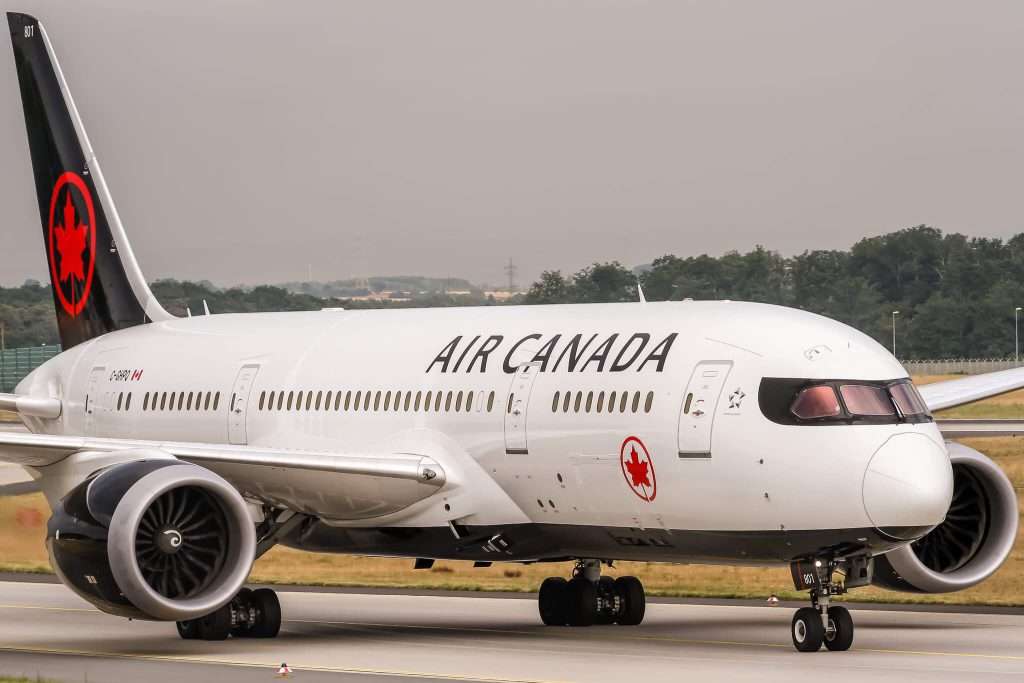
A New Era For Air Canada?
While new routes would be possible with ultra-long-haul capable aircraft, there’s also the opportunity to serve existing cities on the international network but from deeper within Canada to meet demand.
For example, if deemed feasible, instead of using Vancouver as the gateway for flying to international markets across the Pacific Ocean, there could be room to offer connectivity from as deep as Toronto Pearson moving forward.
Air Canada has long been discussing expanding its service to markets worldwide; however, it has felt somewhat limited because of the inability to acquire planes and the rather slow process of having this occur.
However, besides this talk of ultra-long haul flying launching from 2030 onwards, it presents a new opportunity for the flag carrier to extend its presence across markets in demand while also flying into growing ones and offering greater competition to established companies.

ABOUT THE AUTHOR
Daniel Fowkes is a Melbourne-based aviation analyst and journalist with over a decade of industry experience. As founder of Dj’s Aviation, he delivers trusted analysis on aircraft, airline strategy and global aviation trends for djsaviation.net
Leave a Reply
Related Articles




Stay Informed
Get the latest aviation news, analysis and route updates delivered to your inbox.
We respect your privacy. Unsubscribe at any time.
Enjoyed this story?
Make us your go-to for aviation news
Add us as a preferred source on Google and see our latest stories first in Top Stories.
Add Us On Your News FeedRelated articles
· Airlines
Allegiant Air Buys Six More 737-8s From Boeing
Daniel Fowkes
26/10/2026
· Airlines
Emirates vs Qatar Airways: The Gulf Superhub Rivalry Compared
Bryan Shelmon
26/10/2026
· Airlines
Riyadh Air Is Moving Away From Riyadh
Daniel Fowkes
26/10/2026
· Airlines
Emirates Isn’t Worried At All
Daniel Fowkes
25/10/2026
It would be so nice if AC were to include Montreal (YUL) in its ultra-long haul plans. Transitting through Toronto (YYZ) can be such an inconvenience.
don’t blame air canada, blame the YUL airport.
It’s already overloaded with flights. Not enough widebody gates. Mark Gallardo did a town hall meeting and explained the problems with trying to grow the YUL market is difficult because the undersized YUL airport.
Which ironically is why Montreal Mirabel Airport was planned all those years ago, because of the limitations of Montreal Dorval (now Trudeau) Airport
Just give us Auckland, New Zealand to Toronto, Ontario at a decent price and I’d be so happy.