

The Airbus A350 dates back more than two decades; however, it has had various cancellations over this time.
Over the last three years, the planemaker’s relationship with Russian carrier Aeroflot has been one of the more discussed topics.
From suspended deliveries to an order cancellation in 2018, and the cannibalisation of aircraft, Aeroflot’s story with the A350 is far from simple.
Aeroflot And The Airbus A350
Aeroflot’s commitment to the A350 dates back quite some time and has had its fair share of complications, from placement to the mid-2020s.
The Russian carrier’s purchase of the Airbus A350 occurred in 2007, when a firm order was placed for 22 A350XWB jets, guaranteeing a commitment that was signed in March, just a handful of months later.
The airline believed that the acquisition of the A350XWB would be integral to helping develop its long-haul network and introducing new routes with a state-of-the-art aircraft, such as the one being released by Airbus.
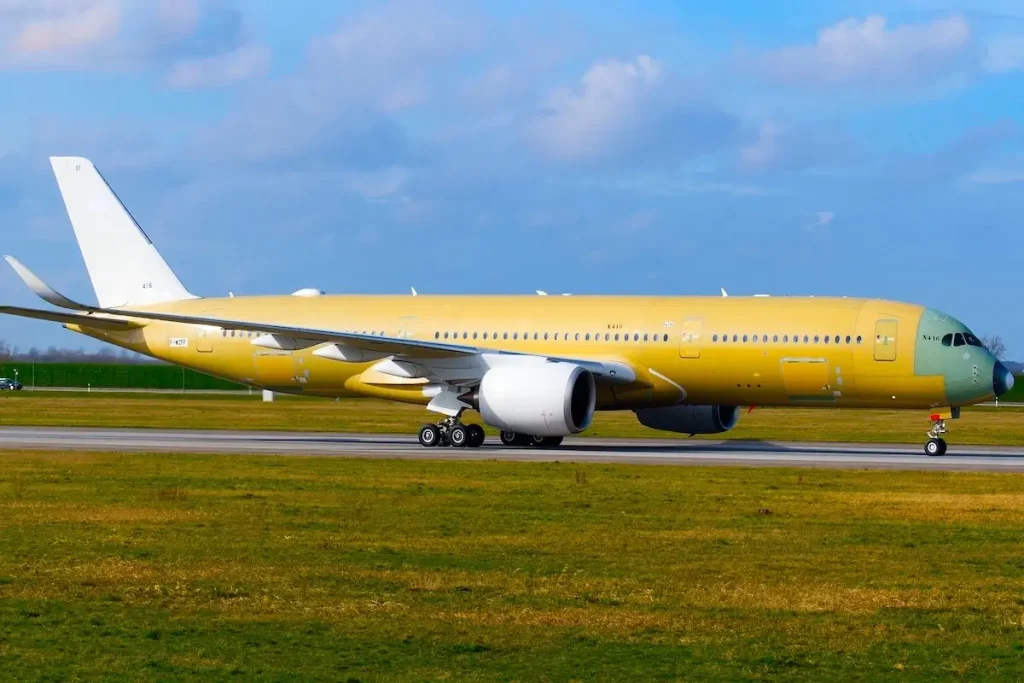
However, the time between Aeroflot’s order for the A350 and its eventual delivery was lengthy; the first jet only arrived in early 2020, just before the emergence of the COVID-19 pandemic, which decimated travel demand across long-haul markets, primarily, exactly where the A350 was intended to be deployed.
Despite this, the first delivery took place on February 28, 2020, with celebrations held in Toulouse. The aircraft features a brand-new cabin in a three-class layout, comprising 316 seats spread across 28 business class suites, 24 comfort class seats, and 264 seats in Economy Class.
In the year prior, Aeroflot had also confirmed the initial route map for which it would see the state-of-the-art A350 deployed, this included a commitment to serving Los Angeles, Male, and Osaka initially.
The addition of these three long-haul routes, which were scheduled to commence in the second half of 2020, followed the airline’s previously confirmed intention to deploy the jet to London Heathrow as its first market.
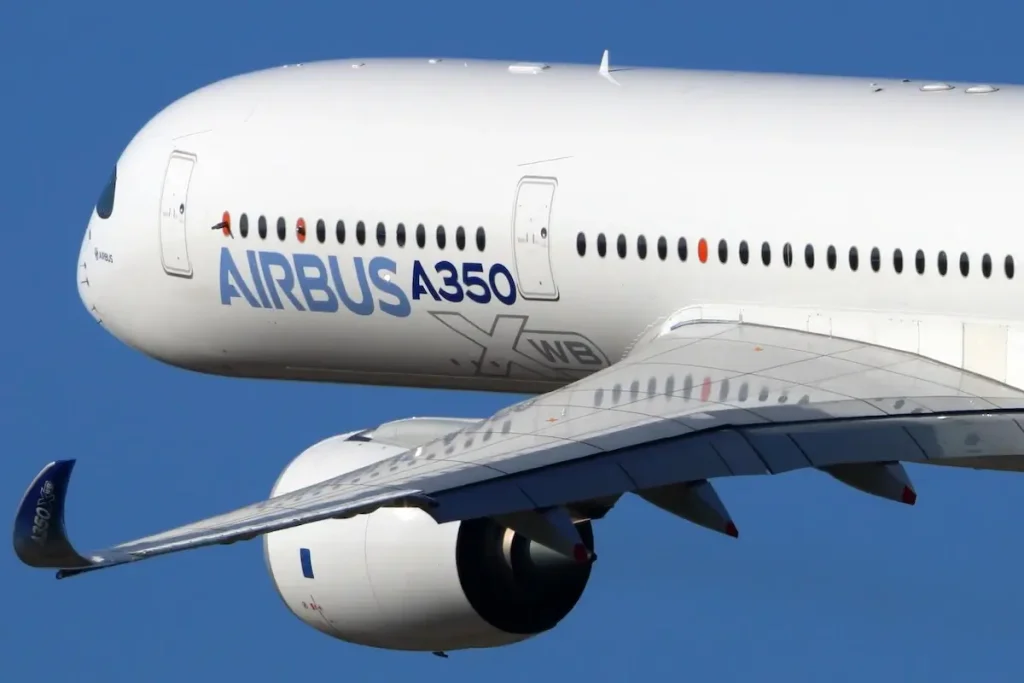
However, in the long term, Aeroflot intended to deploy the aircraft to markets such as Beijing, Miami, New York, and Dubai, among others, as its fleet was expected to develop further over time.
An Order Cancellation Comes
While what would transpire in 2022 is pivotal to the A350’s story with this airline, it did not represent the first order changes that were to occur.
Firstly, in January 2017, Aeroflot and Airbus reached what was described as a mutual agreement to cancel orders for the A350-800. This variant never took off despite commitments from airlines.

The order adjustment meant the airline removed eight aircraft of this model but decided to keep 14 of the A350-900s in its books with the intention of welcoming the plane at a later date.
At the time, the airline was also openly discussing with Airbus the possibility of converting these now-cancelled aircraft orders into something else. Still, at the time of the mutual termination, nothing had been confirmed.
With this in mind, and with a first delivery in early 2020, Aeroflot, despite the effects of the COVID-19 pandemic, was able to take a handful of Airbus A350S into its operations, certainly, however, not all of them.
The Russian Invasion Of Ukraine
However, when the Russian invasion of Ukraine occurred, everything changed not only for Aeroflot, which was based in Russia, but also for planemakers supplying aircraft to airlines in this country.
Following the February 2022 invasion, a mere two years after the first A350 was delivered, several regions, including the EU, handed down sanctions on Russia that made their ability to work with other countries challenging and next to impossible.
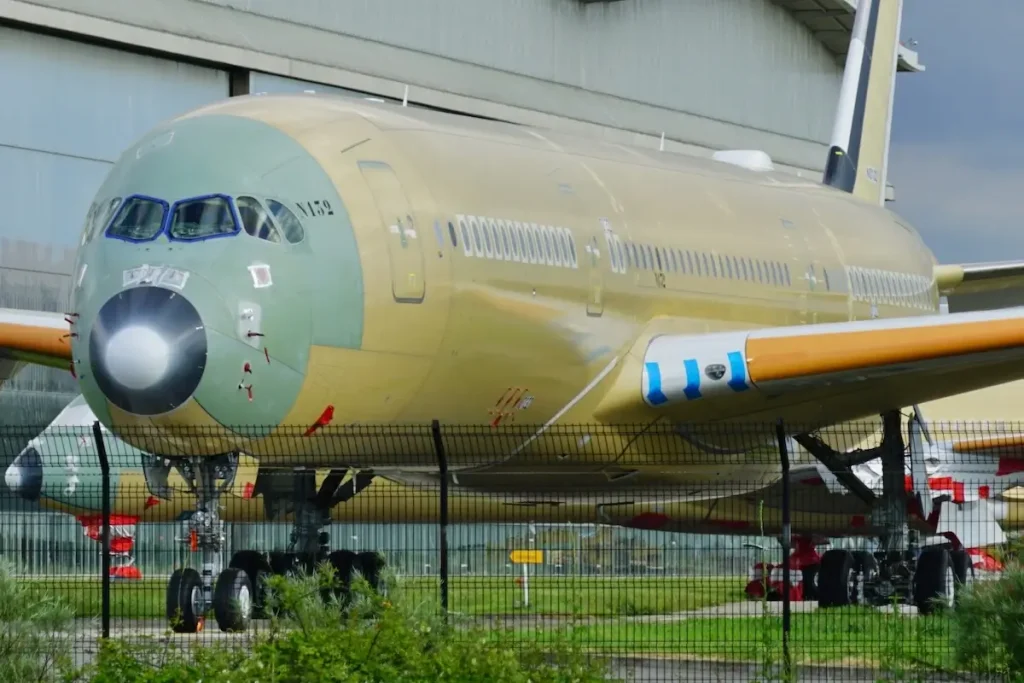
One of those that were included in the sanctions was Western aerospace companies, such as Airbus and Boeing. In the case of Airbus, not only were deliveries suspended, but also spare part supplies and support for the fleet that would’ve been previously available.
With deliveries, however, scheduled for Aeroflot and previously part of Airbus’ plan, the suspensions threw curveballs; luckily for the planemaker, the aircraft in question were highly in demand, and finding another suitor was not too difficult.
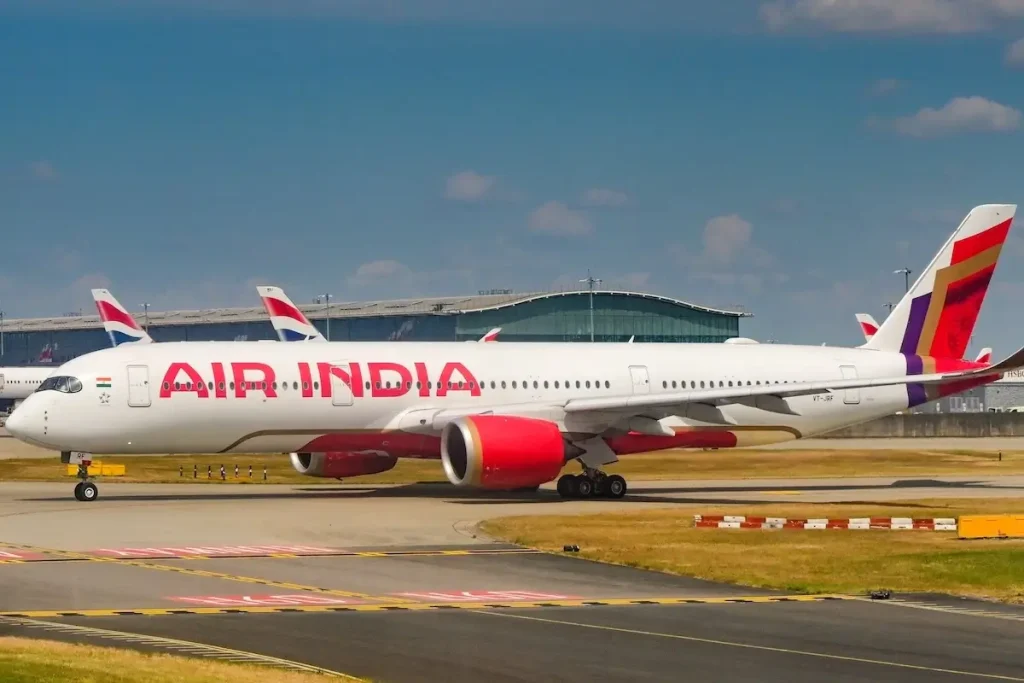
In the Summer of 2022, reacting quickly to the opportunity to acquire aircraft soon, thanks to these white tails, Turkish Airlines took on Airbus A350-900s that were originally destined for Aeroflot, with Air India also acquiring aircraft.
For Air India, which has been in the midst of a rebuild, bringing on the ex-Aeroflot Airbus A350s that were stored and initially ready for delivery but did not go ahead gave the flag-carrier the chance to advance further in its rebuild.
However, with the inability for deliveries to take shape and now the effective cancellation of these units, four years on from the invasion, nothing has changed; complications for Aeroflot exist.
What Happened After?
As the months and years have passed, Aeroflot has been forced to adapt to the evolving position it finds itself in, with the lack of support from external parties that were once present.
In 2022, a Reuters report emerged that the Russian carrier, alongside others in the country, had begun dismantling existing aircraft to prioritise keeping specific models in the air.
The act of cannibalising an aircraft is not uncommon; most recently, Delta had conducted a similar operation on Airbus aircraft in Europe due to engine shortages and struggles in acquiring new planes. However, the manner in which Russian carriers were doing this was considered to be on the more extreme side.
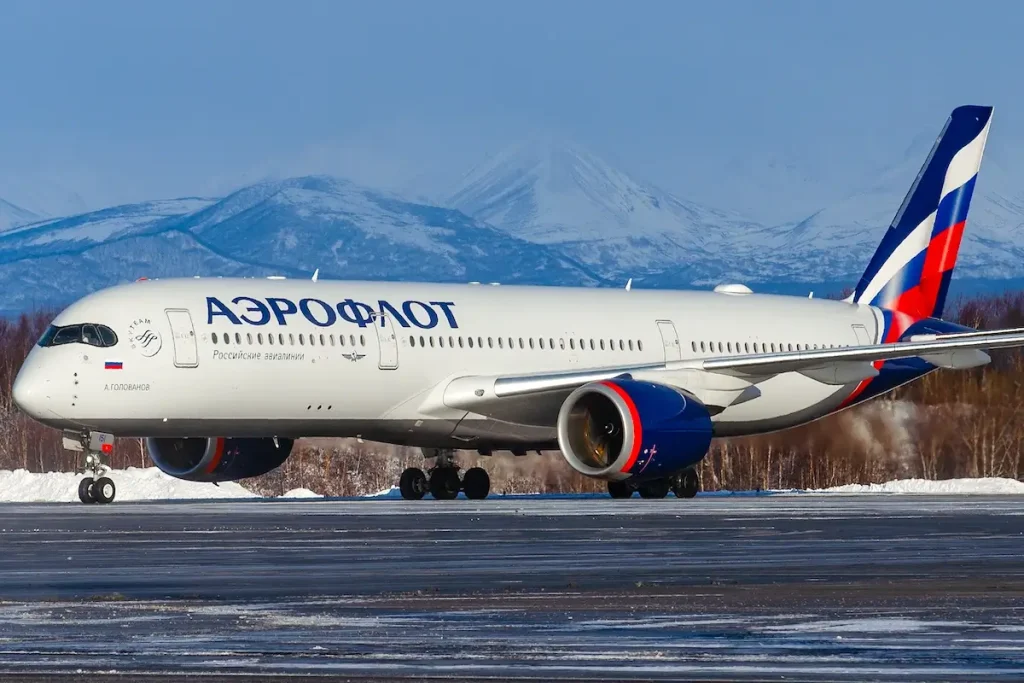
With only a few Airbus A350 jets delivered before the invasion commenced, the airline never quite acquired the necessary aircraft to advance further, and as a result, it could no longer serve its intended markets.
Current fleet data shows that Aeroflot has five Airbus A350 jets still in service, with two listed as parked, according to planespotters.net data supported by flight data from Flightradar24.
The aircraft that have continued to be active have primarily been flying on domestic markets; however, there remain complications moving ahead in the maintenance of these units if the sanctions are to stay in place for the long term.

ABOUT THE AUTHOR
Daniel Fowkes is a Melbourne-based aviation analyst and journalist with over a decade of industry experience. As founder of Dj’s Aviation, he delivers trusted analysis on aircraft, airline strategy and global aviation trends for djsaviation.net
Related Articles




Stay Informed
Get the latest aviation news, analysis and route updates delivered to your inbox.
We respect your privacy. Unsubscribe at any time.
Enjoyed this story?
Make us your go-to for aviation news
Add us as a preferred source on Google and see our latest stories first in Top Stories.
Add Us On Your News Feed