

Thai Airways’ challenges with new commercial aircraft with Airbus and Boeing are expected to continue in the coming years.
The business, hoping to enter its new era with a strong focus on expansion of its route network, may see this process halted.
At this point, Thai Airways’ Chief Executive Officer says the airline is scrambling to secure aircraft across its widebody operation to cope with the delayed delivery of new planes.
The scramble for aircraft arriving on lease is a common theme across the industry, as many airlines either battle similar delays in delivery or face aircraft groundings due to the global engine crisis.
This has put added pressure on lessors to provide solutions, as airlines have turned to them more than ever to help mitigate operational and financial impacts.
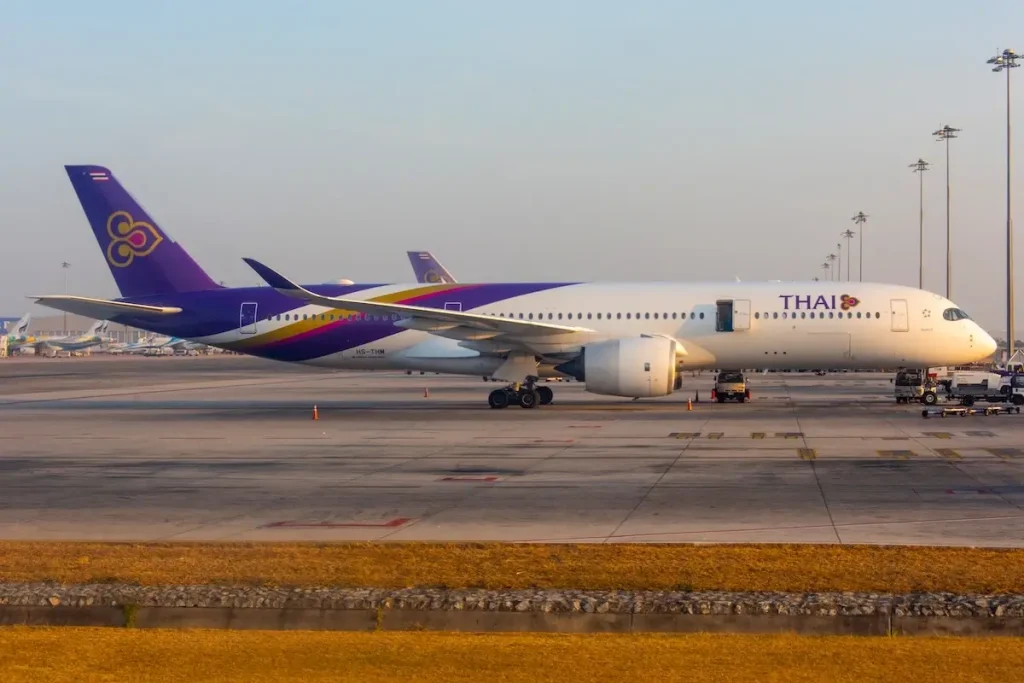
However, for Thai Airways, with the situation worsening only in the last week, there’s a lack of confidence that the pressures will ease. As a result, a shortage of seats and a lack of ability to grow the network become real problems for the Thailand-based carrier.
Thai Airways’ messaging is also clear. Without the ability to access next-generation jets across its narrow and widebody fleet, the chance of new routes launching as intended remains highly unlikely for at least the next couple of years.
The airline is patiently awaiting 2027, when deliveries of larger aircraft are expected to resume, whereas 2026 will be crucial for the arrival of narrowbody aircraft to enhance regional flying from Bangkok.
The inability to source planes poses a significant challenge for Thai Airways, which is attempting to emerge from restructuring and chart a course for growth, but this comes at the completely wrong time, if there were ever to be a right time.
Thai Airways Boeing 787s Delayed
Much of the stress for the carrier in meeting its fleet targets over the coming years is spurred on by recent reporting indicating widebody delays.
The airline’s CEO, Chyai Eamsiri, spoke with Business Times and said that 787s, which are part of a new batch of deliveries scheduled for the middle of 2027, will now be pushed back a further six months.

According to current estimates, Thai Airways is hopeful that deliveries will commence towards the end of 2027 at the earliest, resulting in a six-month setback that will affect capacity during this period.
Because of restructuring, Thai Airways is rebuilding its business in more ways than once, but strictly from a fleet standpoint, the restructuring saw the neccesary axing of many aircraft types.
While these aircraft types that departed were ultimately inefficient, they did have sizable capacity. Jets such as the A380 and 747s were removed from service permanently over the last decade in response to economic conditions.
Thai Airways has therefore, with the removal of these types, been able to streamline its operations significantly. Still, it also means its ability to offer the same kind of capacity to markets has reduced.
The delivery of new aircraft, such as a sizable order for 45 Boeing 787 Dreamliners, will be pivotal not only to bringing the business back up to speed but also to further facilitating renewal efforts, as older aircraft types are phased out and costs are reduced.
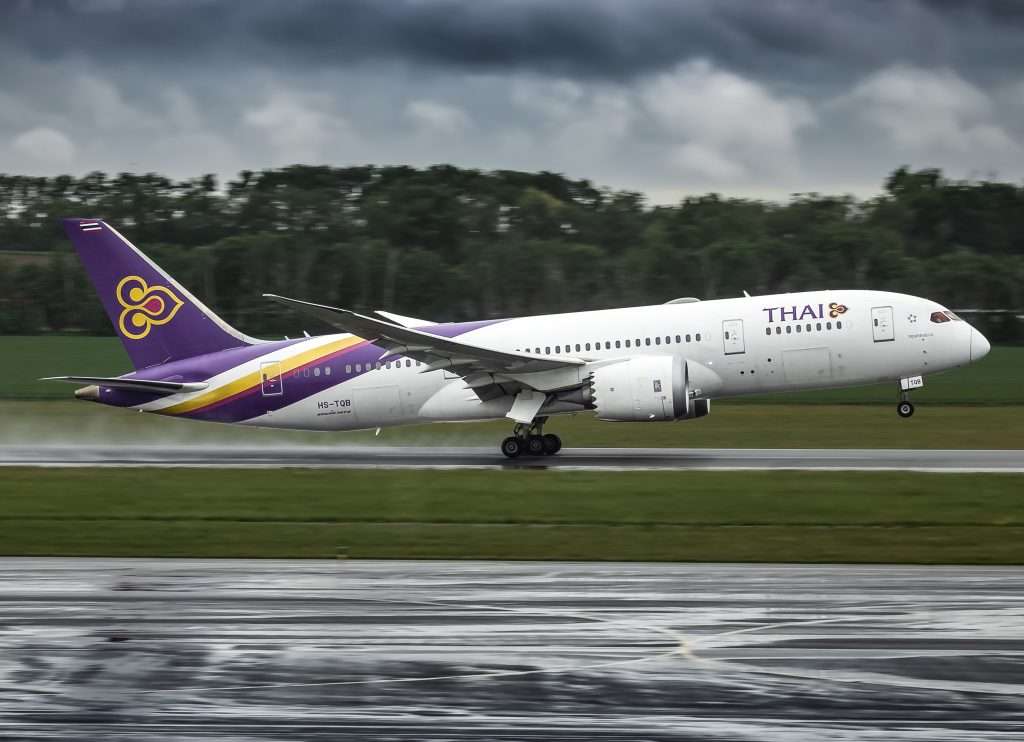
The longer Thai Airways retains older aircraft, whether quad-engined or twin-engined, the greater the complexity becomes across the business and operating costs, which are things that would ideally be minimised for an airline emerging from restructuring.

ABOUT THE AUTHOR
Daniel Fowkes is a Melbourne-based aviation analyst and journalist with over a decade of industry experience. As founder of Dj’s Aviation, he delivers trusted analysis on aircraft, airline strategy and global aviation trends for djsaviation.net
Leave a Reply
Related Articles




Stay Informed
Get the latest aviation news, analysis and route updates delivered to your inbox.
We respect your privacy. Unsubscribe at any time.
Enjoyed this story?
Make us your go-to for aviation news
Add us as a preferred source on Google and see our latest stories first in Top Stories.
Add Us On Your News Feed
Thai is in the same boat as practically every other airline. Covid has caused a huge supply chain issue. The Airbus CEO expects it to last at least another three years. Good luck with that.