
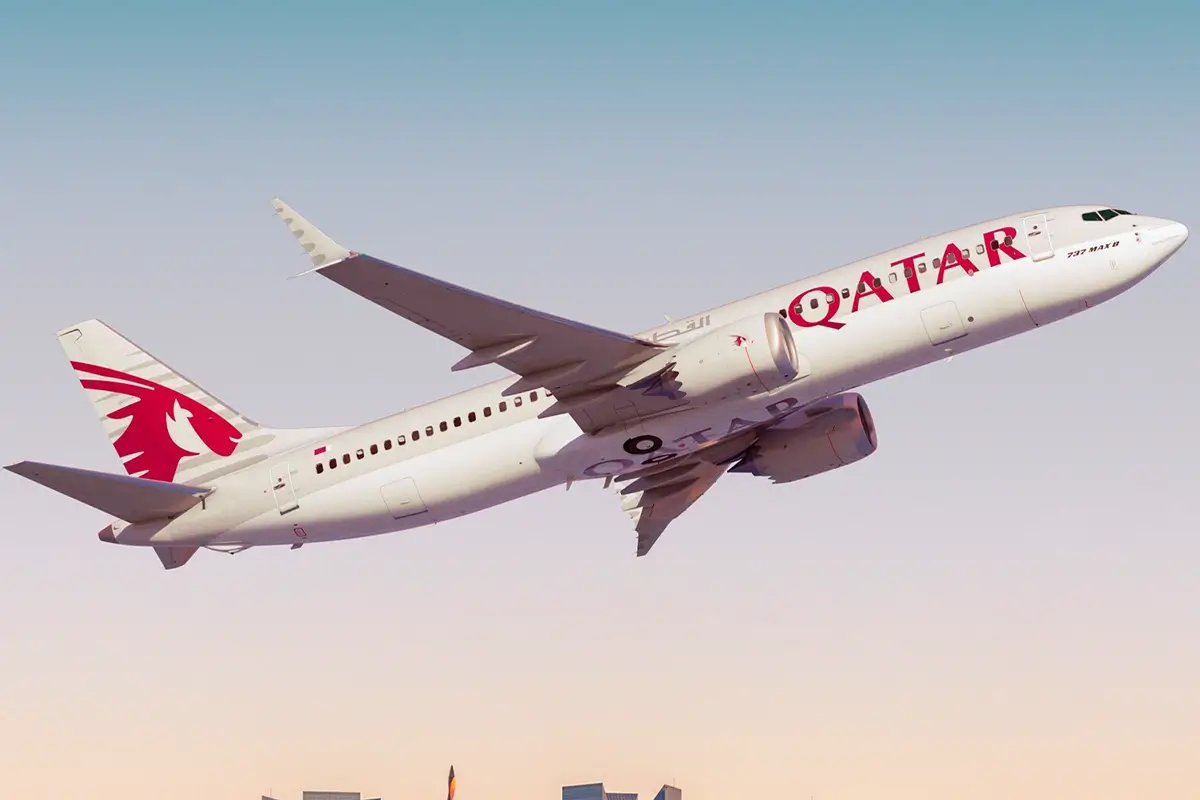
Qatar Airways and Airbus’ dispute in the early-2020s over surface degradation and defects in the Airbus A350 ignited a rift between two of the industry’s largest players.
Amid lawsuits, aircraft groundings, groundbreaking order cancellations, threats, and more, Airbus faced years of pressure and a controversial order for the Boeing 737 MAX jets.
Now, in the back half of the 2020s, this dispute remains one of the more controversial for several reasons.
Qatar and Airbus Dispute Begins
Qatar Airways and Airbus’ dispute first arose at the start of the 2020s, when the Doha-based carrier identified premature surface degradation on one of its new Airbus A350 aircraft.
The jet, registered A7-ALL, had been delivered only recently. Still, after the paint was stripped following a special livery, inspectors found not only cracks but further flaking and damage to the underlying copper foil, which is designed to protect the plane.
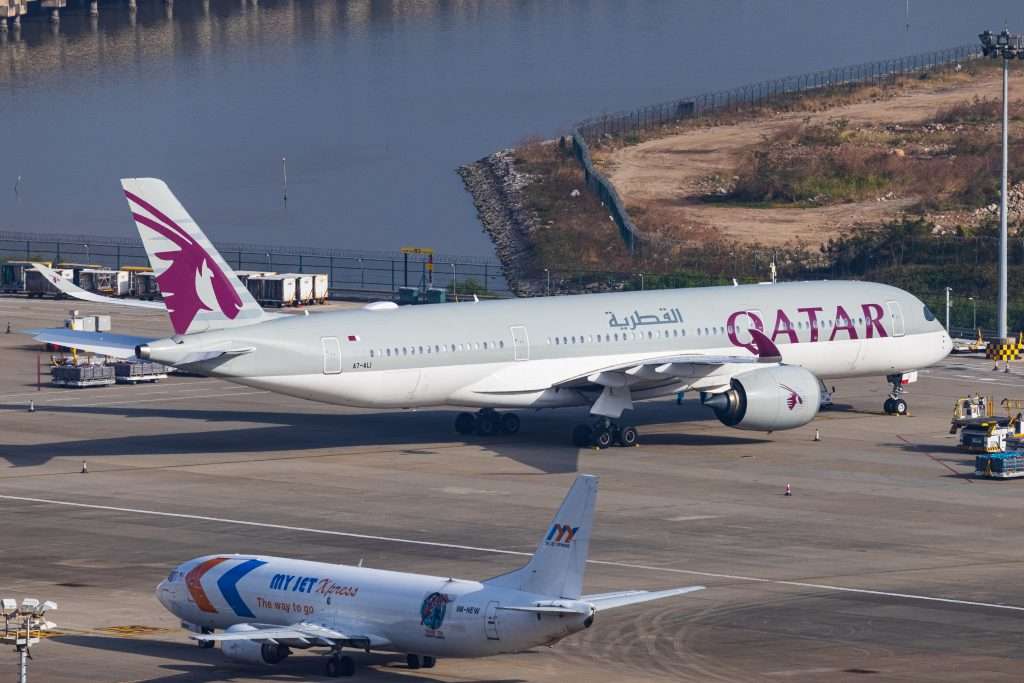
Qatar Airways argued that this was not normal for such a new aircraft and was not a cosmetic program; somewhat, it fundamentally impeded the aircraft’s safety and compromised its integrity.
When other Airbus A350s experienced the same issues in early 2021, the airline halted deliveries of new aircraft, and the CEO, Akbar Al Baker, publicly threatened Airbus on several occasions over the issues affecting their new planes.
While Airbus recognised the concerns, it, along with backing from the EASA, Europe’s aviation regulator, and even Singapore Airlines, said that these flaws posed no risk to airworthiness and were superficial, thereby prolonging the legal standoff.
A Legal Standoff Commences
As the Airbus A350 groundings escalated, Qatar Airways, at the end of 2021, launched formal legal proceedings against Airbus in the London High Court, seeking hundreds of millions in damages for the immobilisation of its fleet.
The Doha-based carrier argued that the grounding was costing it millions per day. It sought $4 million per day for each grounded aircraft until Airbus resolved the paint issue on the widebody fleet.
Qatar Airways argued that Airbus had delivered the aircraft to the airline, which did not meet the price tag and posed safety risks. In contrast, Airbus argued that the issue was cosmetic, did not affect the plane’s structural integrity, and did not warrant the groundings for which Qatar was seeking compensation.

Airbus repeatedly rejected Qatar’s liability claims, accusing the airline and its regulator of fraudulently grounding planes to secure compensation and better terms for existing deliveries and future orders.
Throughout the legal proceedings, Airbus vehemently denied that the problem was as severe as Qatar Airways claimed, and it had the backing of the EASA, which shared a similar view. However, with deliveries suspended and the A350s grounded, Airbus’ brand image also began to suffer.
A321neo Order Cancelled
As tensions escalated and following a lawsuit, Airbus invoked a rare cross-default clause at the beginning of 2022, which saw it cancel a long-standing order that Qatar Airways held for the popular single-aisle Airbus A321neo.
This was an unprecedented move that signalled tensions between the parties and was triggered by the existing A350 legal action, though it came as a surprise.

Qatar Airways was unhappy with the decision and threatened to take legal action, as the A321neos were expected to be integral to the renewal and expansion of its short-haul fleet.
The cancellation delayed the airline’s schedule and forced a shift in its fleet-building strategy.
The 737 MAX Order Comes
Qatar Airways, amid escalating tensions and the cancellation of its A321neo order with Airbus, would turn to Boeing and place an order for up to 50 737 MAX jets, a landmark transaction that signalled just how far this rift had grown.
Akbar Al Baker, the Qatar Airways CEO, reaffirmed that, at the time of the commitment, the deal was made directly in response to disputes with Airbus and to fill the A321neo role.
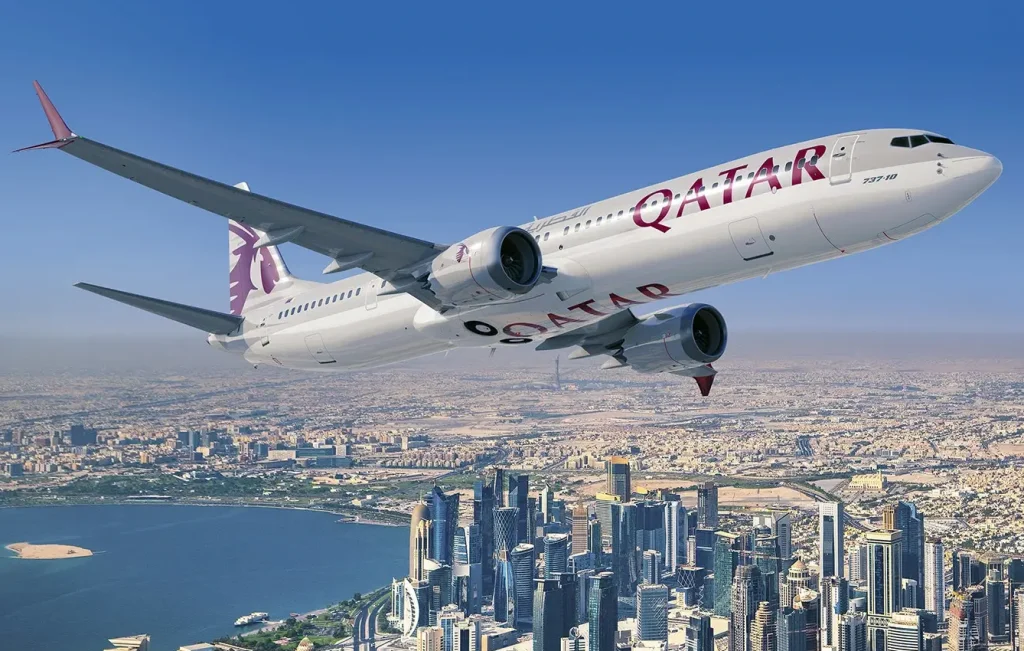
However, the deal would be brought out of spite and retaliation for now; it had been marked by tears and heated discussions with the European planemaker over aircraft and raised questions about commoantility and more decision-making.
Qatar Airways Resolves Issue
However, by February 2023, Airbus and Qatar Airways reached an amicable settlement that resolved the surface degradation dispute without admitting liability, thereby averting further, more complex, and more expensive legal action.
To this day, the terms of the agreement remain confidential, but the impact was profound: it fractured the relationship between the two parties, which had been strong for some time.

Importantly, as part of the agreement, the repair program for the impacted AA350Senabled the jets to return to service, and the cancelled A321neo order was reinstated, albeit with additional delivery delays as backlogs pushed the acquisition timeframe out.
Farewell To The 737 MAX
With the resolution pending, Qatar Airways’ order for the 737 MAX has become more puzzling, as the airline is converting deals while also retiring the fleet over time.
The Doha-based carrier prioritised fleet commonality and efficiency, leading to the selection of the 737 for its future operations.
To this day, that 737 MAX deal remains controversial because it was a retaliatory jab at Airbus, but with that dispute settled, it never looked likely to firm up.

ABOUT THE AUTHOR
Daniel Fowkes is a Melbourne-based aviation analyst and journalist with over a decade of industry experience. As founder of Dj’s Aviation, he delivers trusted analysis on aircraft, airline strategy and global aviation trends for djsaviation.net
Related Articles




Stay Informed
Get the latest aviation news, analysis and route updates delivered to your inbox.
We respect your privacy. Unsubscribe at any time.
Enjoyed this story?
Make us your go-to for aviation news
Add us as a preferred source on Google and see our latest stories first in Top Stories.
Add Us On Your News FeedRelated articles
· Airlines
Allegiant Air Buys Six More 737-8s From Boeing
Daniel Fowkes
26/10/2026
· Airlines
Emirates vs Qatar Airways: The Gulf Superhub Rivalry Compared
Bryan Shelmon
26/10/2026
· Airlines
Riyadh Air Is Moving Away From Riyadh
Daniel Fowkes
26/10/2026
· Airlines
Emirates Isn’t Worried At All
Daniel Fowkes
25/10/2026