
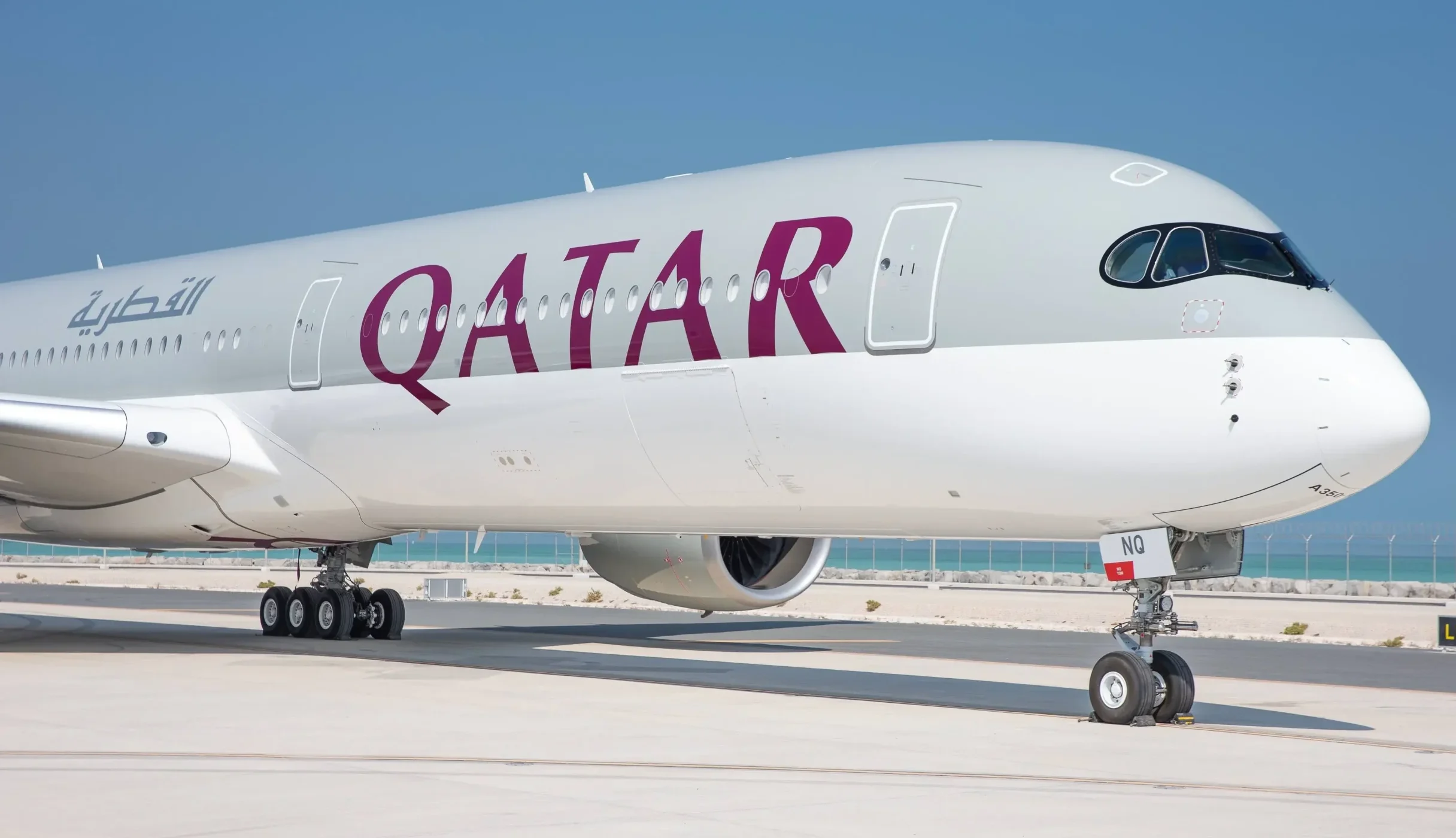
The dispute between Qatar Airways and Airbus in the early 2020s made headlines worldwide, leading to the Doha-based carrier expressing disdain for the planemaker it once trusted.
The concerns centred around surface degradation on the Airbus A350 aircraft. This issue, which Qatar Airways CEO Akbar Al Baker described as a critical safety matter, became one of the industry’s most talked about legal issues.
Moreover, the fallout at the time was significant, with Airbus expressing their concerns alongside Qatar Airways, but what happened?
The Saga With Paint Defects
At the beginning of 2021, Qatar Airways discovered that the surface paint on several A350 aircraft was peeling and cracking. As a result, this exposed the protection layer and caused concern for the carrier.
The airline claimed this issue posed serious safety risks, grounding over 20 aircraft and escalating the matter to Qatar’s aviation regulator.
Airbus countered that the damage was purely cosmetic and noted that it didn’t see reporting of such damage anywhere else in the world. Moreover, the planemaker stated that the damage did not compromise the plane’s airworthiness, as Qatar Airways claimed.

The European Union Aviation Safety Agency (EASA) supported Airbus’ stance on this matter, clarifying that the problem did not endanger the flight safety protocols that Qatar Airways claimed.
Despite Airbus’ response, Qatar Airways stood firm, kept aircraft from the A350 family grounded, and continued to be outspoken about what was happening.
Airbus grew increasingly alarmed at the potential broader consequences of the dispute. It was feared that if Qatar Airways’ highly public criticisms continued, it might damage the reputation of the A350 program.
At worst, this damage and poor customer feedback could impact airlines looking at purchasing the aircraft initially, who may now think twice about such a decision.
As the A350 remains a flagship model and a critical competitor to Boeing, any erosion of customer confidence could have severely impacted Airbus and its market share across key locations.
The Fallout For Airbus & Qatar Airways
The dispute culminated in a major lawsuit filed by Qatar Airways against Airbus. The airline sought compensation for damages and grounded aircraft, accusing Airbus of downplaying the severity of the problem.
Airbus retaliated in a fashion not typically seen before, no doubt also escalating the tensions by cancelling orders for 50 A321neo jets and additional A350s that Qatar Airways had placed and thus freeing up these planes to be delivered elsewhere.
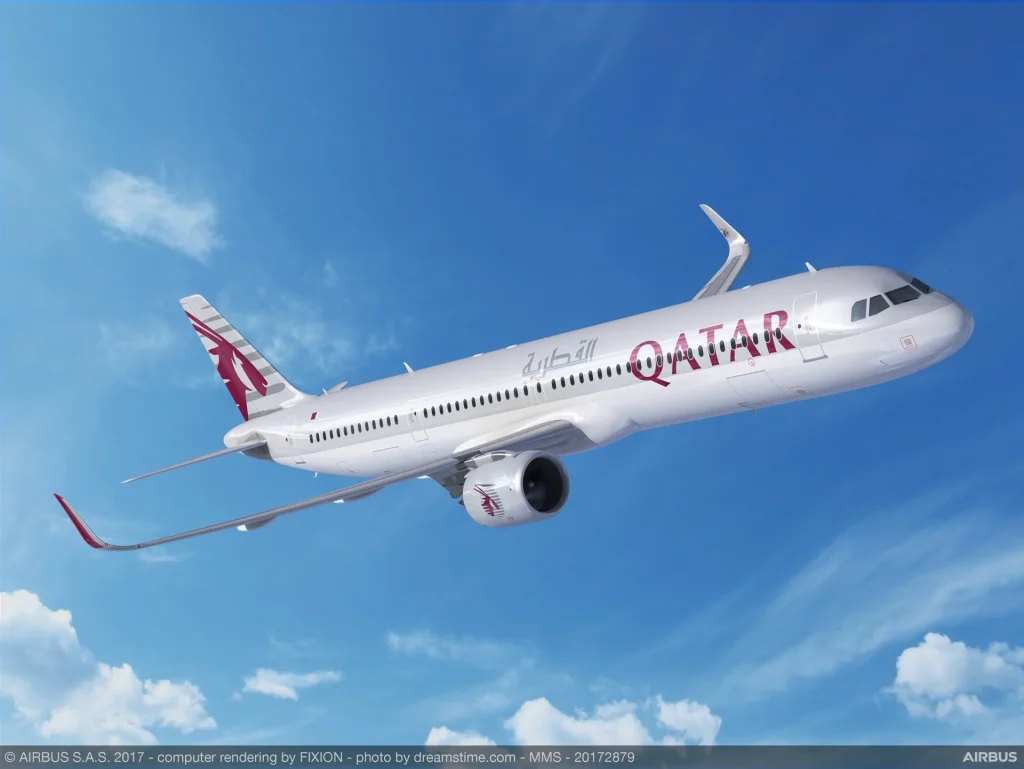
Airbus felt that Qatar Airways, who at the time had refused to take deliveries of new planes, didn’t deserve the new aircraft, and these units could be better placed with airlines supporting the business rather than causing uproar.
As the disagreement escalated, both parties presented their cases in a highly public forum, with Airbus alleging that Qatar Airways may have exaggerated the extent of the damage for leverage.
Airbus also continued to emphasise that no other operator of the popular A350 had been forced to ground its fleet or even had openly come out and raised safety concerns suggesting that problems were present.
A Resolution Is Found
By the beginning of 2023, Airbus had made design changes to the A350 fuselage in a bid to try to resolve the dispute that had been ongoing with Qatar Airways.
It was an important move as while Airbus stated that the aircraft design it initially had rolled with was safe, there was still, in the end, a decision made to make a change for the layering in new deliveries.
Moreover, by early 2023, Airbus and Qatar Airways reached an undisclosed agreement to end the continued back and forth. Critically, neither party admitted liability but agreed to work together on repairs for the affected A350s, thus resuming their working relationship.
Airbus reinstated Qatar’s cancelled orders after some time; however, some delivery slots had already been snapped up, and while Qatar Airways still seemed to feel cautious, the trust was in the early stages of being rebuilt.
Despite the circumstances that unfolded, Airbus knew it needed to resolve the matter as the perception of its A350 product was at risk. Furthermore, restoring the relationship with Qatar Airways, one of its highest-profile customers, was another important factor.
The Long-Term Implications
This saga represented a fascinating period for the broader industry and showed just how fragile the manufacturer-airline relationships that are taken for granted can be.
For Airbus, the conflict was a reputational challenge, which truly raised questions from some about the quality control processes at its most popular widebody.
Equally, from the other angle, there was the belief Qatar Airways, while having valid points about quality, was exaggerating the damage and grounding nature to leverage these frustrations for something bigger.
Both parties faced reputational risks; ultimately, the settlement allowed Airbus and Qatar Airways to move forward and repair their damaged relationship.

ABOUT THE AUTHOR
Daniel Fowkes is a Melbourne-based aviation analyst and journalist with over a decade of industry experience. As founder of Dj’s Aviation, he delivers trusted analysis on aircraft, airline strategy and global aviation trends for djsaviation.net
Related Articles




Stay Informed
Get the latest aviation news, analysis and route updates delivered to your inbox.
We respect your privacy. Unsubscribe at any time.
Enjoyed this story?
Make us your go-to for aviation news
Add us as a preferred source on Google and see our latest stories first in Top Stories.
Add Us On Your News Feed