
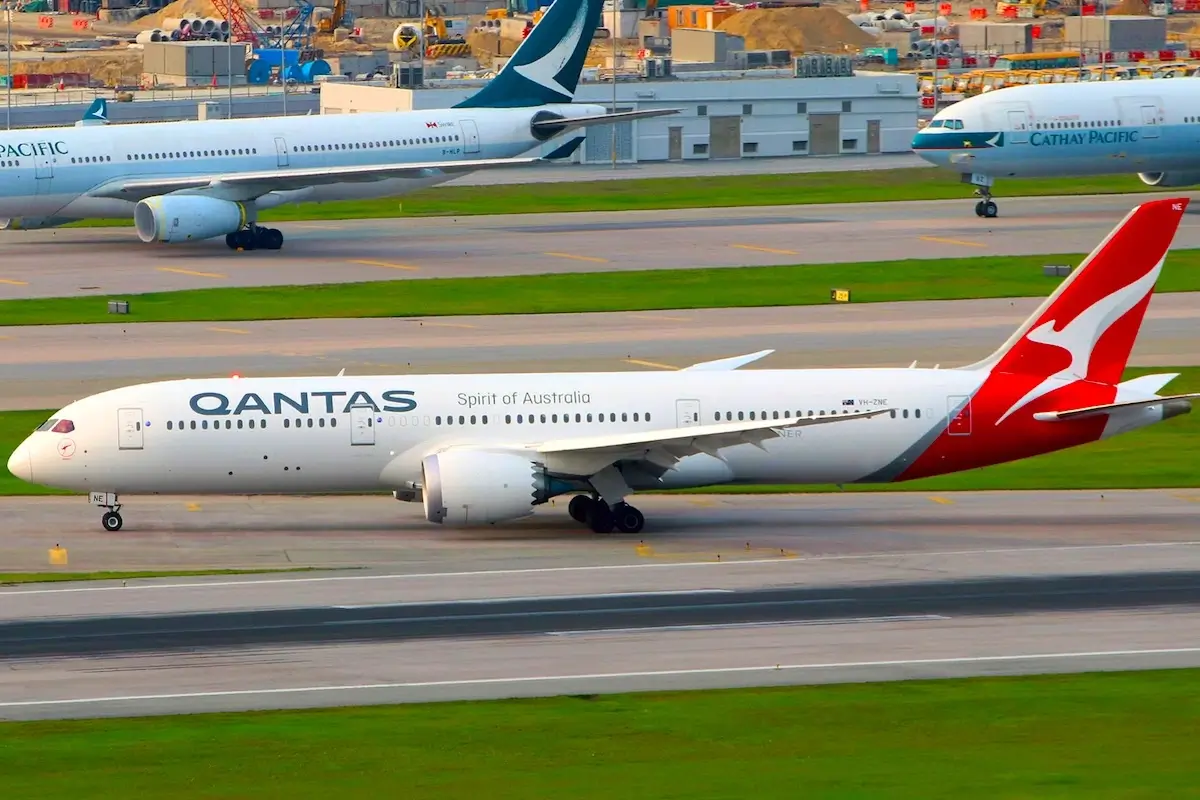
Qantas is using the new Australia-Canada Open Skies framework to push to expand into Canada, a country in North America.
As part of the airline’s latest attempts, there’s a focus on unrestricted capacity allocations on the Canada route, with a request for some key elements to help overhaul its service.
What Has Qantas Requested
The International Air Services Commission said that, as part of the application it received from Qantas, there was a request for a 99-year allocation from the date of determination.
For Qantas, the request involves capacity that may not be utilised in isolation but in accordance with efforts to share services with close partners of American Airlines and WestJet.
The business says that capacity during this period may be used across the Group, which includes the Australian flag carrier itself, Jetstar, its low-cost business, and, in the future, any other wholly owned subsidiary of the broader Group.

The capacity may also be used by Qantas to provide joint services with another wholly owned subsidiary of the Group; it’s a complicated application, but part of the allocation of unregistered capacity efforts moving forward.
Qantas’ Presence In Canada
Qantas already has a presence in Canada; however, ultimately, when met with its own aircraft, its presence is minimal. The airline reaches the market through its non-stop Sydney-to-Vancouver service, and that is it.
While the business serves the United States well from several East Coast ports, the airline doesn’t have the same connectivity to Canada, serving only Vancouver. This is key to connecting customers onward, especially through partner airlines.
The strongest value in Canada, for at least the Australian flag carrier, is not its sole service to Vancouver but its close collaboration with Canadian-based airlines, which enables codeshare services and results in onward connectivity.
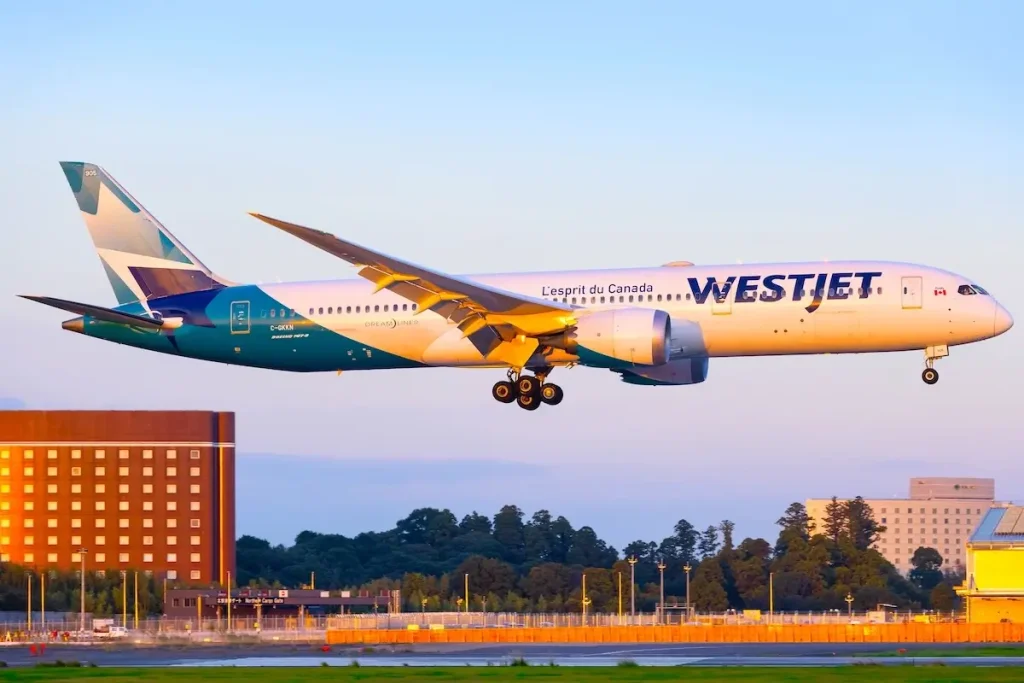
Whether it’s Alaska Airlines, WestJet or other airlines, Qantas has continued to work closely with its partners to ensure that for those needing to travel deeper into Canada, even if not on one of its own aircraft, there are opportunities available on the one ticket.
The mix gives Qantas access to more Canadian and U.S. cities through its partner network without having to use its own aircraft, which may be out of reach or simply not viable enough to serve with its own fleet, which is why codeshare relations are important.
Is There More Growth Ahead?
This request form from Qantas would give the business the flexibility to scale up its operations in Canada over the long term; it doesn’t mean there’d be an immediate increase, but merely the chance to respond whenever required.
Qantas is naturally progressing with international growth, aided by the delivery of the Airbus A350-1000ULR for Project Sunrise, the base A350-1000 to replace the A380, the delivery of 787-10s to benefit the network and many more jets in the future.

For the flag carrier, there’s a clear intent to continue expanding services within reach, and jets such as the A350-1000ULR will make nonstop travel to new destinations possible as well.
If not with its own aircraft, this latest application will also allow Qantas to work more closely with its partners to potentially expand the destinations included in the one-ticket model, easing flexibility for passengers.

ABOUT THE AUTHOR
Daniel Fowkes is a Melbourne-based aviation analyst and journalist with over a decade of industry experience. As founder of Dj’s Aviation, he delivers trusted analysis on aircraft, airline strategy and global aviation trends for djsaviation.net
Leave a Reply
Related Articles




Stay Informed
Get the latest aviation news, analysis and route updates delivered to your inbox.
We respect your privacy. Unsubscribe at any time.
Enjoyed this story?
Make us your go-to for aviation news
Add us as a preferred source on Google and see our latest stories first in Top Stories.
Add Us On Your News FeedRelated articles
· Airlines
Allegiant Air Buys Six More 737-8s From Boeing
Daniel Fowkes
26/10/2026
· Airlines
Emirates vs Qatar Airways: The Gulf Superhub Rivalry Compared
Bryan Shelmon
26/10/2026
· Airlines
Riyadh Air Is Moving Away From Riyadh
Daniel Fowkes
26/10/2026
· Airlines
Emirates Isn’t Worried At All
Daniel Fowkes
25/10/2026
Why doesnt Qantas just fly to Montreal or Toronto instead of relying on partner airline?
Author
Toronto may very well one day become a reality with project sunrise