

Qantas is about to enter a new era, with it described as the final frontier of aviation.
The Australian flag-carrier will do so with an all-new aircraft too, the Airbus A350-1000ULR, enhanced for ultra-long-range flights.
So, with 20-hour flights on the menu, what is this new era, what’s the aircraft about, what are some delays and what’s next?
What Is Project Sunrise
In 2017, Qantas announced its plans to take on what it described as the “final frontier of aviation,” with the launch of Project Sunrise.
This bold initiative put forward the task to Airbus and Boeing to provide an aircraft suitable for completing nonstop journeys from the east coast of Australia, such as Sydney, through to Europe and New York.
Journeys of these distances without a stop will significantly reduce the overall travel time compared to the available one-stop alternatives. They should provide, according to the carrier, greater convenience for customers.
Two years after announcing the endeavour, Qantas conducted test flights using a modified Boeing 787‑9 from London and New York to Sydney, collecting physiological data in collaboration with sleep researchers. These tests were pivotal to helping understand how to configure the cabin for the eventual launch.

Qantas has gone all in with this project; it hasn’t been without its hiccups, but once it launches, it aims to enhance the network for the flag-carrier and offer greater premium options into high-density markets.
Additionally, it puts Qantas in an elite category, with no other airline offering something similar, and the hope is that this is a unique selling proposition to help stimulate long-term growth.
Reception has been mixed: there are visible positives this endeavour will offer, breaking the barriers currently present for travel to/from Australia, limited by the geographical positioning of the country.
However, some passengers have expressed an unwillingness to pay what has been confirmed as an additional premium to only spend longer in the same aircraft, especially in the same cabin, irrespective of the introduction of the new Wellness Zone alongside other innovations.
The Airbus A350 Or Boeing 777X?
For Qantas to move ahead with such a Project, it needed to be calculated with the aircraft decision it would make after RFP’s were put forward to leading planemakers of Airbus and Boeing.
From these RFP’s, there were only two viable options: the A350 family from Airbus or the 777X from competitor Boeing. With the departure of superjumbos, it would be these two long-range, efficient widebodies that would go head to head.
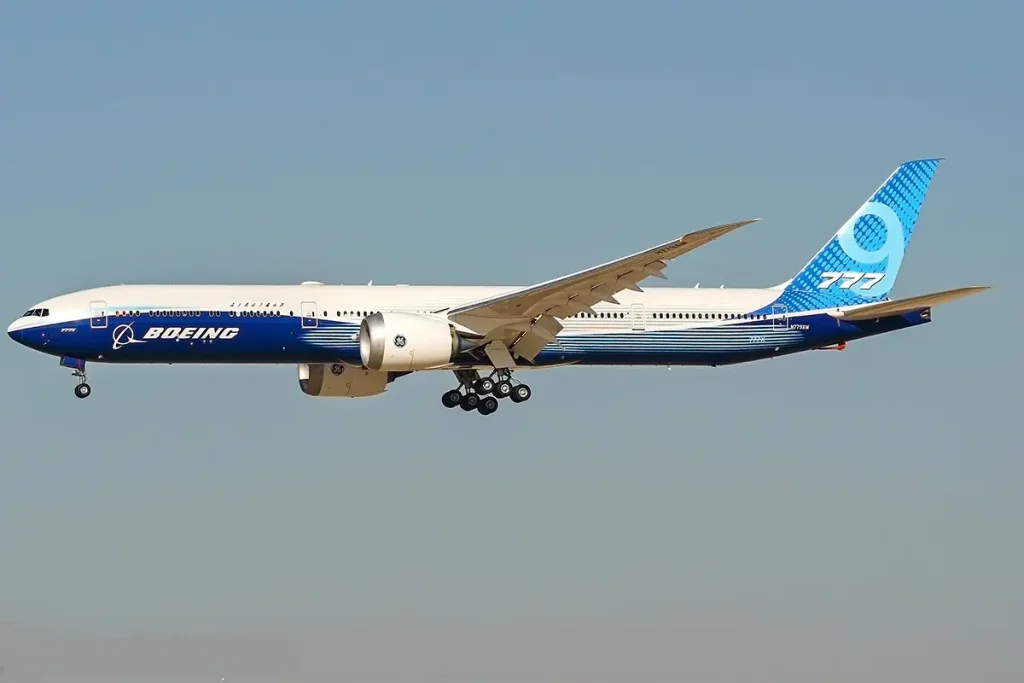
Some analysts, before a decision was made, argued that the 777X may have greater appeal, considering Qantas played an integral role in the development of the first 777; it is part of a core number of airlines that provided feedback for the launch.
However, despite providing this feedback, the flag-carrier would never go on to order the 777 in any capacity, putting Qantas as the only airline that was part of the collective of companies that helped launch the plane, yet did not go on to buy the jet.
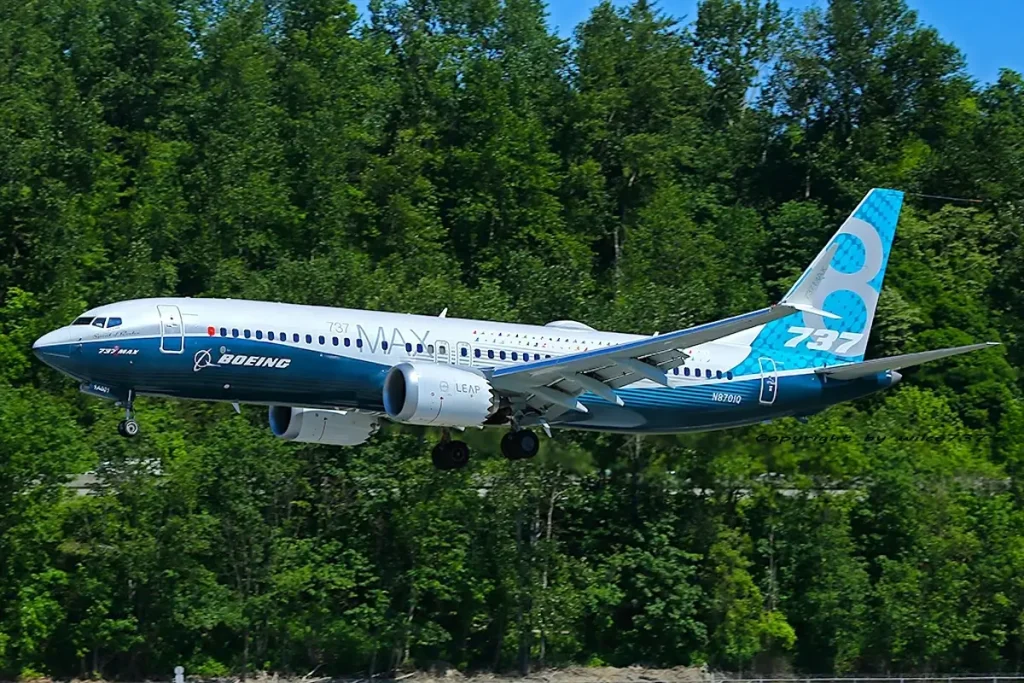
On the other hand, even when Qantas were studying alternatives, there were concerns about delays surrounding the 777X program, alongside recent 737 MAX crashes at Boeing that were forcing resources to be diverted elsewhere.
When the COVID-19 pandemic hit, Qantas was no longer in a mode of growth, subsequently delaying any decision on the direction of its order, but also focusing on navigating one of the most challenging periods in its history.
Qantas Makes Its Decision
After deliberation and internal news from Qantas staff, even in 2019, that Airbus was the favourite to secure the landmark contract to power Project Sunrise, the carrier made its decision.
In May 2022, emerging from two years in darkness caused by the COVID-19 pandemic, the airline confirmed it would purchase the A350-1000, specifically a new ULR model being purposefully built for its Project Sunrise endeavour.
The A350-1000 was selected following the lengthy evaluation period and will make possible the launch of nonstop routes such as Melbourne to London and Sydney to London, among many others.
Qantas confirmed that the aircraft would be configured with Economy Class, a bold move, but one that had been long confirmed as part of the airline’s attempts to make the final frontier of aviation accessible to everyone.
New types of aircraft make new things possible. That’s what makes today’s announcement so significant for the national carrier and for a country like Australia where air travel is crucial. The A350 and Project Sunrise will make any city just one flight away from Australia. It’s the last frontier and the final fix for the tyranny of distance.
Qantas Group CEO Alan Joyce (in May 2022)
The Delays & What’s Next
Unfortunately for Qantas, since ordering the Airbus A350, it has been far from smooth sailing with persistent delays as a result of damaged supply chains impacting the ability to launch Project Sunrise.
In March 2025, the airline confirmed it was once again expecting to delay the launch, with internal estimates after communicating with Airbus stating that production would begin on its first A350-1000ULR in September 2025.
This first unit represents the first of twelve. As they will join the business for Project Sunrise, they should note they’re separate from the A350-1000s, which were later ordered to replace the A380s from the early-2030s onwards.
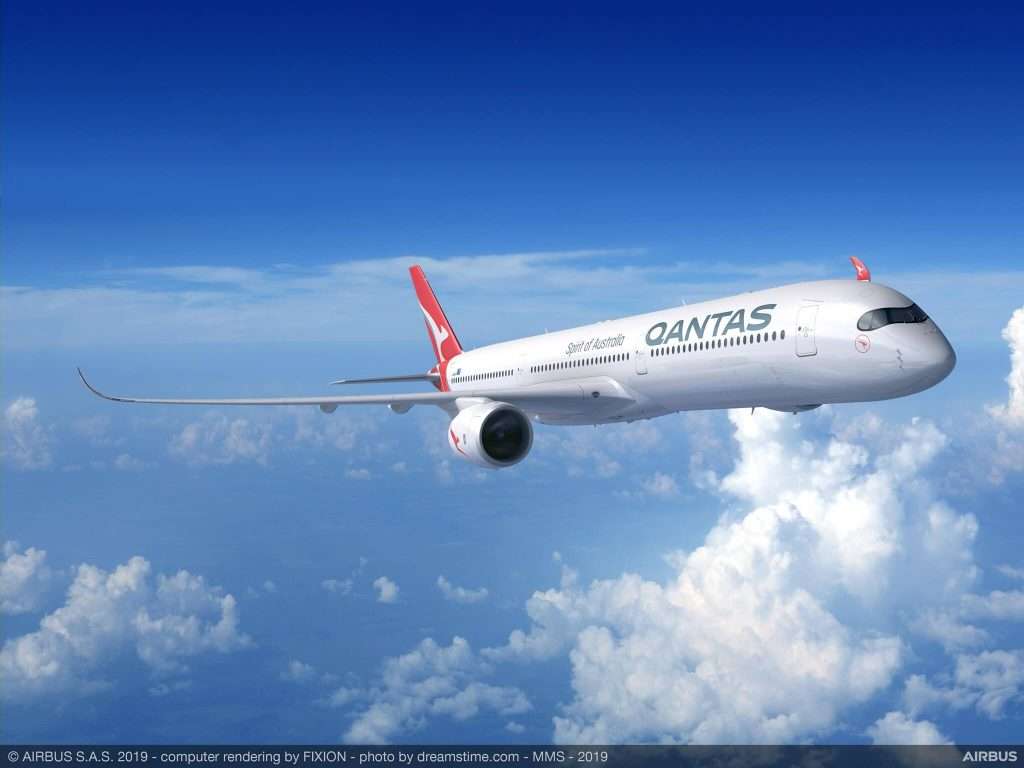
Qantas is now hoping to take delivery of its first A350-1000ULR towards the end of 2026, which means that the airline will not be able to debut these flights until early 2027 due to the need to commence crew training flights first.
Qantas confirmed to the Executive Traveller that the plane would debut initially on shorter international routes such as to New Zealand. The multi-hour international flight will enable the crew to experience a taste of what the ultra-long-haul flights will eventually look like.
For the company, this isn’t the first time delays have hit. At the beginning of 2024, Qantas also said that the launch would be pushed back until the middle of 2026. At the time, this represented a six-month delay.
Previously, Qantas expected to begin operations with the A350-1000ULR by the end of 2025, which is this year. However, the carrier has cited manufacturing delays as a cause for the pushback.

The delays haven’t been isolated to just the A350, though. While now delivered, there were also struggles in the acquisition efforts of the A321XLR.

ABOUT THE AUTHOR
Daniel Fowkes is a Melbourne-based aviation analyst and journalist with over a decade of industry experience. As founder of Dj’s Aviation, he delivers trusted analysis on aircraft, airline strategy and global aviation trends for djsaviation.net
Leave a Reply
Related Articles




Stay Informed
Get the latest aviation news, analysis and route updates delivered to your inbox.
We respect your privacy. Unsubscribe at any time.
Enjoyed this story?
Make us your go-to for aviation news
Add us as a preferred source on Google and see our latest stories first in Top Stories.
Add Us On Your News FeedRelated articles
· Airlines
Allegiant Air Buys Six More 737-8s From Boeing
Daniel Fowkes
26/10/2026
· Airlines
Emirates vs Qatar Airways: The Gulf Superhub Rivalry Compared
Bryan Shelmon
26/10/2026
· Airlines
Riyadh Air Is Moving Away From Riyadh
Daniel Fowkes
26/10/2026
· Airlines
Emirates Isn’t Worried At All
Daniel Fowkes
25/10/2026
I have flown twice on a non stop flight from Europe and never again.
We tried repeatedly to upgrade only to be knocked back, the second flight had 22 Qantas staff on stand by in Rome and one of them was given a business class seat.
The economy seats are so uncomfortable it’s just not worth it We will be using another airline next time
I know people complain about the length of time in the air, but I love it. It gives you time for a nice meal, a movie, a sleep and another movie and meal, like a lazy Sunday.
I can understand people complaining about economy though, my max distance in economy is 2 hours, anything above that must be business.
Only 2 movies? It’s a 20 hour flight.
Well researched. Excellent facts and knowledge about Project Sunrise, then CEO Allan Joyce was quoted as saying Project Sunrise is ” A last frontier in global aviation, an antidote to the tyranny of distance.”
A friend of mine has been operating the A350 SIN NWK SIN around the world for ages. QF are always behind the 8 ball.