
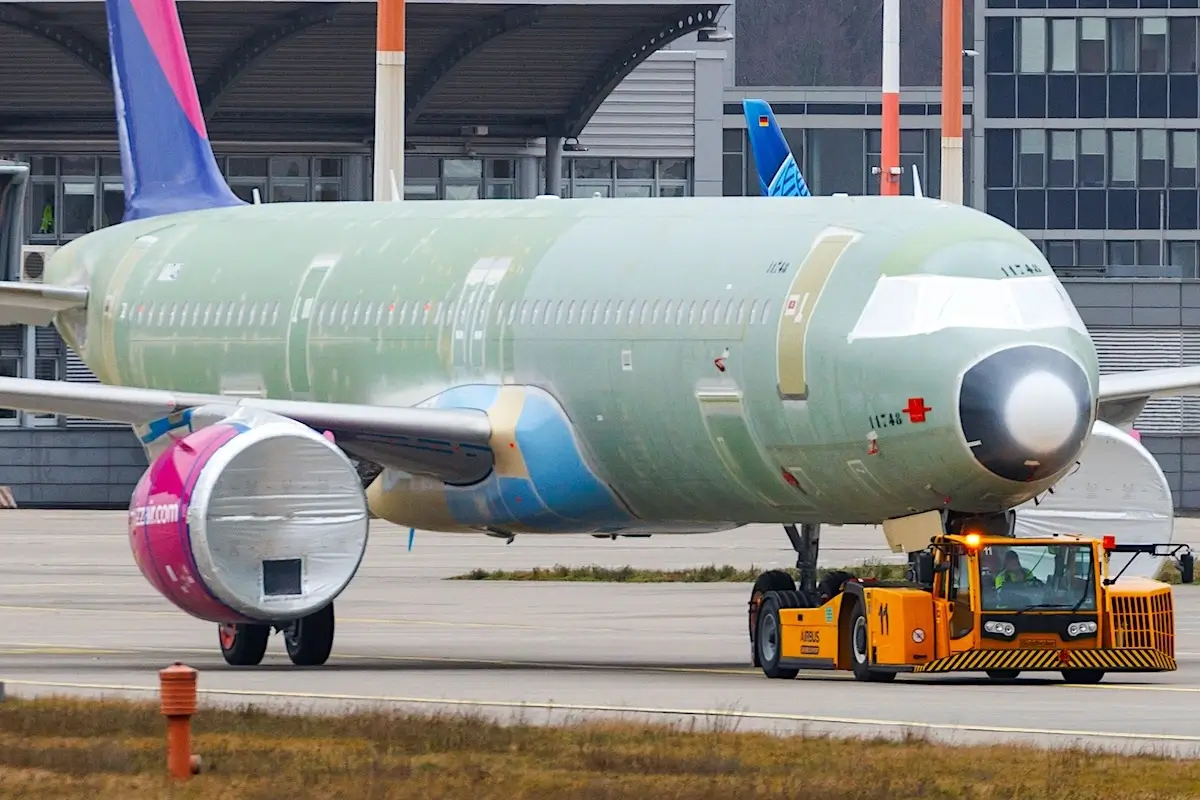
The industry has been abuzz with heated discussion surrounding the upcoming launch of a new commercial aircraft from Airbus and Boeing.
These two planemakers recognise that the framework to replace existing single-aisle jets must commence, such as the A320neo and the 737 MAX, respectively.
As the 2030s approach, the pair is reportedly beginning early work on understanding the technologies available for implementation to help prepare the jets for launch within the next five years.
However, when speaking with the International Society of Transport Aircraft Trading, Boeing’s chief of marketing for aircraft said that the launch of a successor to the 737 MAX is still some way off.
Meanwhile, a senior executive at Airbus also stated that the launch of a new prospective aircraft would be some time away, given the need to meet efficiency targets on the latest model.
The two planemakers, knowing that their next iteration will most likely be a clean sheet, need to incorporate substantial refinements of around 25-30% to attract customers to invest. Therefore, work must be done to find the ideal plan to achieve this.

The fresh comments serve as a means to temper industry talk surrounding the prospects of a new commercial aircraft, which is expected to arrive sooner rather than later. Although not all cards and timelines will be publicly revealed, much work remains to be done.
Industry Talk Of New Aircraft
Much of the industry talk surrounding a new aircraft follows reporting at the end of September, which indicated Boeing had begun development on the 737 MAX replacement aircraft.
The jet, which was in the early stages of development, was seeing a focus placed on designing key elements of the flight deck as it continued working towards a formal launch.
The Wall Street Journal led the reporting on the upcoming jet, which will not only act as the 737 MAX replacement but also be a crucial next pillar of Boeing’s commercial aircraft division, and importantly, rival what Airbus is studying as its A320neo successor.
For Boeing, talk of the new aircraft follows confirmation in 2024, which surrounded the construction of a new plane in the company’s traditional home of Washington, and an agreement being reached to help alleviate pressures on striking workers.

That agreement involves over 30,000 employees in Washington state, which is home to facilities such as Renton and Everett, and will see all derivatives from the new program built here, if a launch can be approved within the next four years.
Boeing, similarly to Airbus, must also have the right technologies available for implementation on a platform. This is achieved through persistent studies and analysis of their results for possible adoption on a larger scale.
What About Airbus?
While Boeing has finally seen discussions emerge surrounding the release of its following commercial aircraft, its competitor, Airbus, has seen a far greater amount of talk.
That discussion centred on the NGSA, as it’s known, short for the next-generation single aisle, which is expected to replace the A320neo in the 2030s, with now wing processes being studied to determine the best direction moving forward.
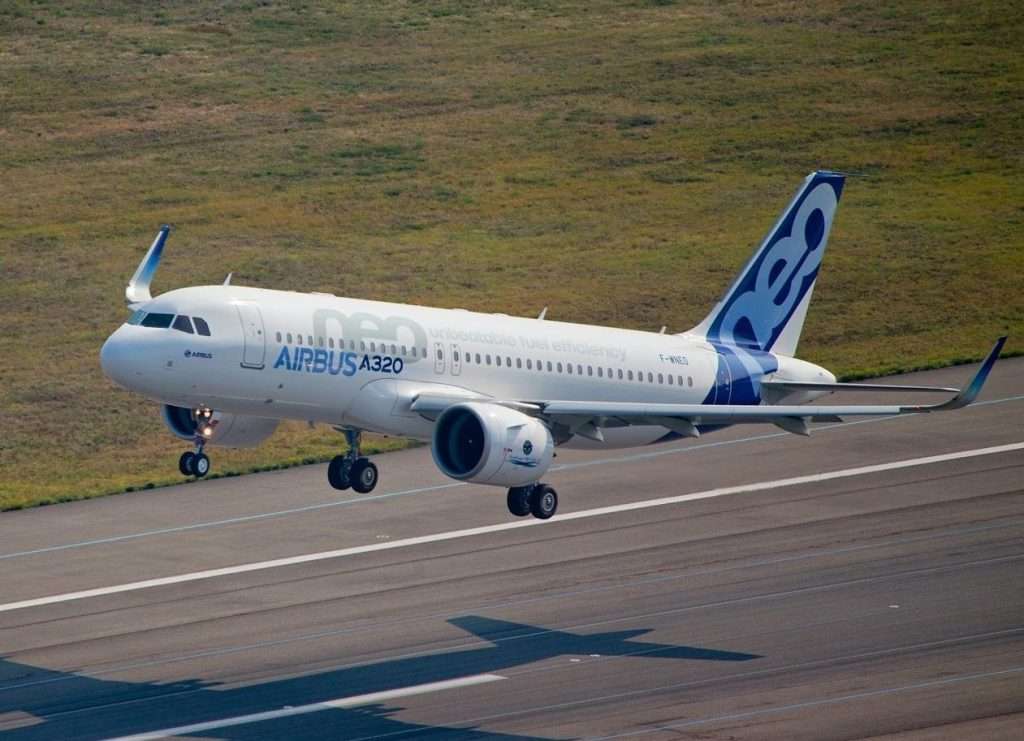
Airbus UpNext will play a crucial role in future studies for the planemaker, enabling the development of the following aircraft and technologies to understand what is feasible moving forward.
Traction surrounding the new jet gained momentum in June 2025 when the CEO of the planemaker reaffirmed his stance that the new single-aisle plane would remain a key focus for the business for the remainder of the decade.
As part of the timelines unveiled for the new aircraft, Airbus hoped that one of the first stages to launch would be the decision regarding the engine solution, expected to arrive in 2027.
After the relevant engine solution was determined, Airbus would then proceed with launching the aircraft in the 2030s, making the new single-aisle available to customers for purchase.
Lastly, a seven- to eight-year window would then follow, during which the planemaker would aim to produce, certify, and deliver the aircraft to airline customers in 2037 or 2038; these timelines are by no means a lock yet.

Ultimately, while both Airbus and Boeing recognise the need for a strong focus on developing their commercial aircraft, they face equal pressures to achieve the next level of efficiency in the new planes that customers will desperately need.

ABOUT THE AUTHOR
Daniel Fowkes is a Melbourne-based aviation analyst and journalist with over a decade of industry experience. As founder of Dj’s Aviation, he delivers trusted analysis on aircraft, airline strategy and global aviation trends for djsaviation.net
Related Articles




Stay Informed
Get the latest aviation news, analysis and route updates delivered to your inbox.
We respect your privacy. Unsubscribe at any time.
Enjoyed this story?
Make us your go-to for aviation news
Add us as a preferred source on Google and see our latest stories first in Top Stories.
Add Us On Your News Feed