

In 2020, Malaysia Airlines chose to park most of its fleet, which included the world’s largest passenger plane, the Airbus A380.
However, with question marks already surrounding the airline’s use of the type, what happened next, what unfolded, and was it the right decision?
The COVID-19 Pandemic Arrives
When the COVID-19 pandemic arrived, Malaysia Airlines decided it was time to adjust its fleet makeup in a bid to survive.
Every airline battled the pandemic differently, but not all had the same approach as one another. Malaysia Airlines was already struggling before governments implemented harsh restrictions.
The Kuala Lumpur carrier had confirmed by May that more than half of its fleet had been placed in long-term storage, and decisions were being made alongside this to take the opportunity to conduct necessary maintenance.
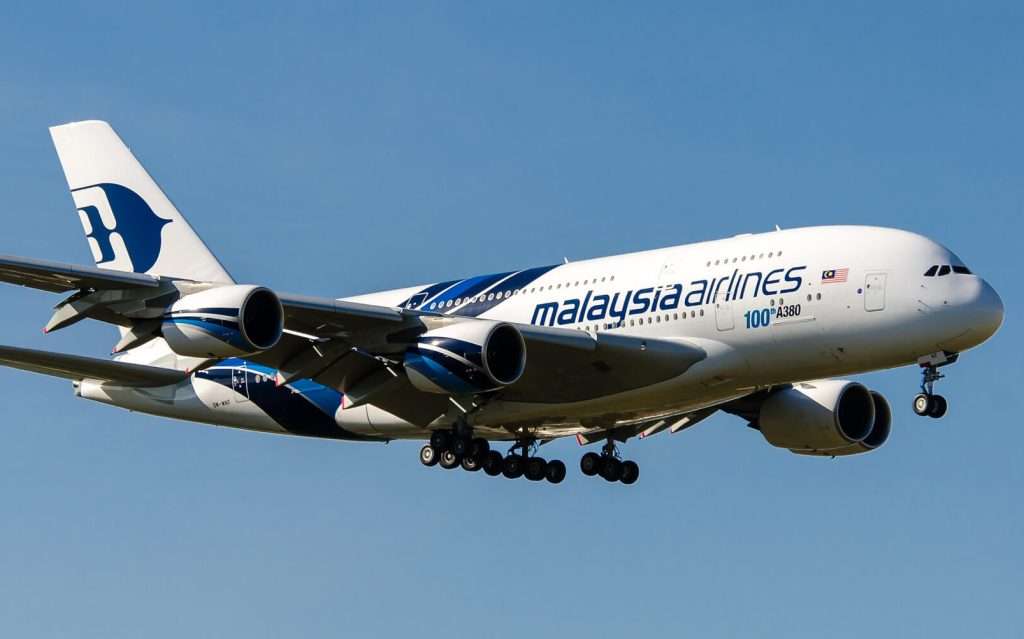
The entire Airbus A380 fleet was also parked in Kuala Lumpur as part of a move to place the jets in long-term storage, as there was no demand across international services to keep them active.
Malaysia Airlines would join a long list of global airlines that have decided to park their Airbus A380 fleet, alongside other high-profile quad-engined widebodies, due to a lack of demand.
While some airlines reacted to the pandemic by grounding the type, others used the opportunity to keep these planes on the ground permanently, with no intention of the series returning, taking the chance to streamline and move towards more efficient alternatives.
Each airline’s circumstances were different, but Malaysia Airlines did not immediately confirm whether the grounding would be a permanent decision; instead, it chose to park more than half of its fleet and review how the coming months would unfold before making any harsh decisions.

A Cargo-Only Flight?
Despite the Airbus A380 fleet being grounded, the Malaysia Airlines Group took advantage of the opportunity at one point, due to the sheer scale of these jets, to offer cargo services.
In early May, MASKargo operated a cargo-only flight between Kuala Lumpur International and London Heathrow using an Airbus A380.
During the height of the pandemic, some airlines kept their larger planes operational for a temporary period to serve governments and other key organisations with humanitarian aid missions and shipping, including pharmaceutical goods.
For example, KLM had all but confirmed the axing of its 747 fleet in a bid to streamline operations. Still, some of the 747s that had been removed from scheduled passenger services were reinstated to help with government freight flights during the pandemic.

In the case of MASKargo’s operation, the goods aboard were mostly e-commerce goods originating from Guangzhou, and the company said it was an innovative out-of-the-box approach to utilising the A380 for the time being.
MASKargo’s Chief Executive said that the option to fly this freight operation with this aircraft was needed, as the Airbus A350 did not have the necessary volume, whereas the A380 did.
Malaysia Airlines Confirms Retirement
Shortly after the MASKargo service, Malaysia Airlines confirmed its decision to retire its A380 fleet permanently.
Unlike some other airlines around the world, the retirement of the A380 also turned out to be a permanent one; even when demand surged back, the planes remained parked.
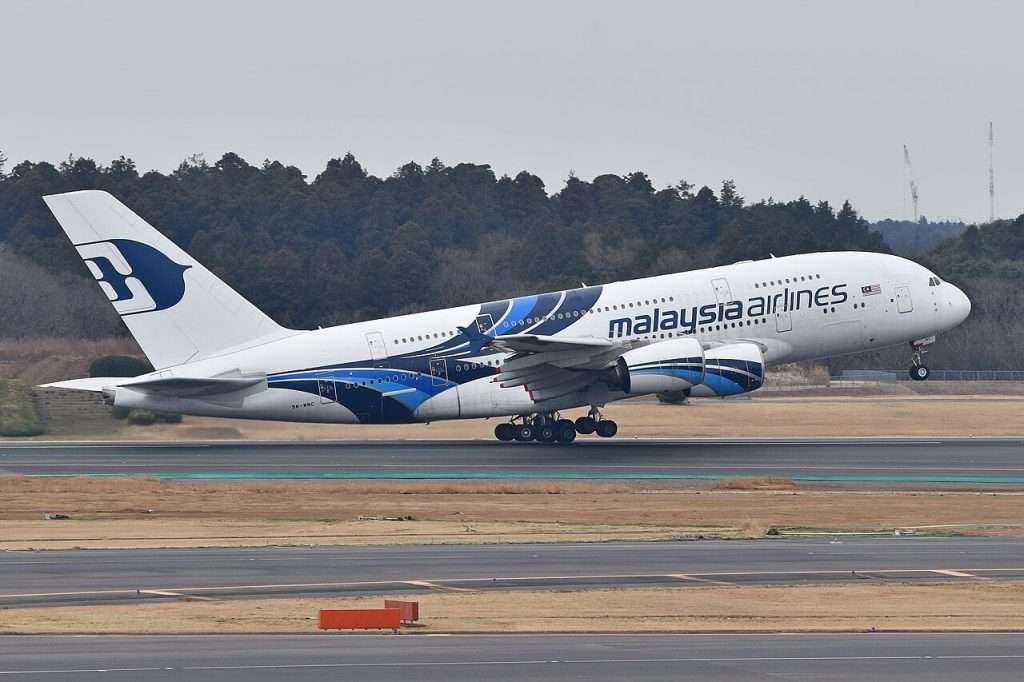
Immediately after that decision, the airline put forward the offering to prospective customers for the sale of its entire fleet or key components that make up the Airbus A380. Interested buyers were instructed at that point to contact the airline by August 2021 to confirm their interest.
However, many had their doubts that there would be any firm interest; that is exactly how it panned out.
Was It A Mistake?
Some argue that the Airbus A380 at Malaysia Airlines was a colossal mistake, a combination that never should’ve existed and never worked with the Kuala Lumpur-based carrier’s operation.
With that being said, the airline did fly the aircraft for some time, certainly not a lengthy stretch by any means compared to the average lifespan of other aircraft typically in airlines’ fleets.
Arguments from analysts exist that the airline should’ve retained its fleet of Boeing 747s longer and not opted for the world’s largest passenger plane.
Instead of ordering the high-capacity A380, these analysts believe that Malaysia Airlines could’ve opted for smaller widebody aircraft, part of the next generation of aviation. This move would’ve dramatically enhanced its business and likely alleviated some of the cost pressures it faced.
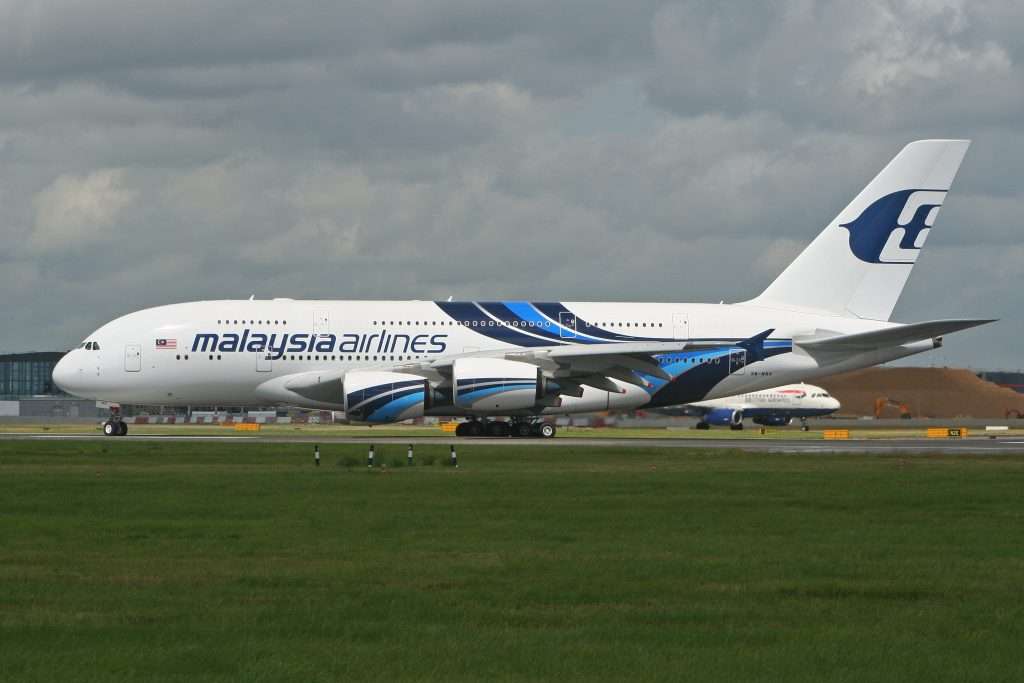
However, instead of opting against the jet, Malaysia Airlines sought to keep up with Singapore Airlines. This close neighbour relies on the Airbus A380, but also has a network far more capable of serving the jet.
Despite this, in 2022, the CCO of Malaysia Airlines said that the investment was never the wrong decision; instead, stating it was the right decision because of the slot issues that were becoming a problem, and finding a way to solve them was critical.
Airports around the world were constrained, and Malaysia Airlines believed the A380 would help alleviate the pressure and make it easier for the business to obtain the desired slots.
At the time, therefore, Malaysia Airlines backed the decision and stood by it; however, what would transpire after the acquisition would not favour the use of the jet, which included the massive fuel increases that were beyond its control.
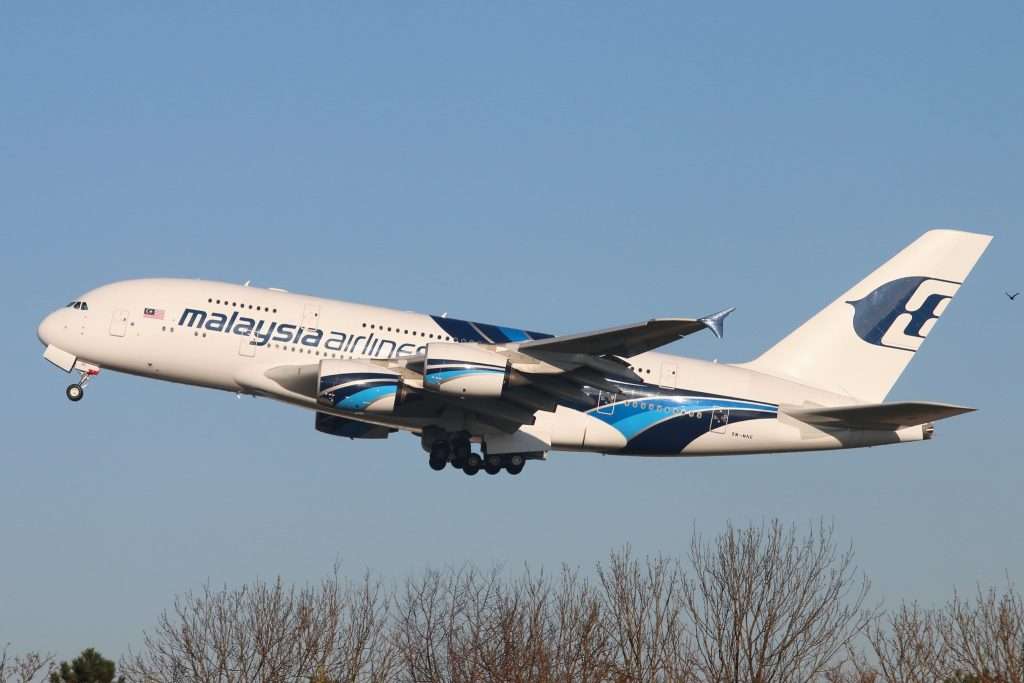
Despite this, Malaysia Airlines never quite utilised the A380 effectively; from the usage across its network to its frequency of operation, it seemed to be the right choice internally, but that same sentiment was not reflected in its performance.
What Happened After?
After the retirement was confirmed, Malaysia Airlines, like any carrier, sought opportunities for other customers to come forward and purchase these planes or parts.
However, from the outset, while Malaysia Airlines said it was in conversations with potential buyers, it struggled to attract any firm interest that would materialise into a purchase.
Unlike many other aircraft, the second-hand market for the Airbus A380 does not exist; it is a one-and-done type of plane, and once it retires at its first operator, it typically heads for scrapping rather than being picked up by another airline.

By the end of 2022, Malaysia Airlines confirmed that its final A380 had been sent to long-term storage in Tarbes, France, a landmark moment with the series no longer holding a presence in Kuala Lumpur.

ABOUT THE AUTHOR
Daniel Fowkes is a Melbourne-based aviation analyst and journalist with over a decade of industry experience. As founder of Dj’s Aviation, he delivers trusted analysis on aircraft, airline strategy and global aviation trends for djsaviation.net
Leave a Reply
Related Articles



Stay Informed
Get the latest aviation news, analysis and route updates delivered to your inbox.
We respect your privacy. Unsubscribe at any time.
Enjoyed this story?
Make us your go-to for aviation news
Add us as a preferred source on Google and see our latest stories first in Top Stories.
Add Us On Your News Feed
Shame, really. Malaysian iss one of the loveliest airlines to fly with a d I would haved loved to experience gheir A380s.