

Five years ago, KLM grounded its Boeing 747s, alongside many other aircraft, a move that led to the permanent retirement of the jumbo jet.
Despite earning a slight comeback in mid-2020, the retirement followed a host of other global airlines in doing something similar.
So, why were the jets parked and therefore retired, why did the 747 make a small return, and what has come since the axing of the quad-engined jumbo jet?
The COVID-19 Pandemic Arrives
When the COVID-19 pandemic arrived, KLM knew things were going to change, quite likely forever, with landmark decisions needing to be made across the business.
The sheer scale of the parking was visible at Amsterdam Airport Schiphol, where more than 200 aircraft were parked at gates, on the runways and on taxiways to accommodate them.

These planes were parked according to the airline in a manner in which size and type were organised, making sure as well that enough space was present for them to be towed if they required maintenance.
The airline stated the airport was full, and the impact was felt across the group, with internal early-April reporting suggesting that Air France-KLM were losing 25 million euros per day due to the effects.
KLM Confirms The Grounding (Sort Of?)
By the end of March 2020, the same month the COVID-19 pandemic dramatically reached more markets, KLM made the harsh but neccesary decision to park its 747 fleet with the intent of a permanent retirement.
The final 747-400 passenger flight, therefore operating the final journey, the jet given the honour was PH-BFT, this 747-400M, a Combi variant, remained part of the airline’s unique operations with the plane.
The Combi enables the aircraft to be a half-passenger and half-freight plane, which means all kinds of freight can be transported, whether it’s small or large, and enables a greater mix of revenue from passenger and cargo.

The retirement also aligned with 49 years of operations with the aircraft; KLM had planned to pull the plane from service on the half-century celebrations, so it wasn’t much of an accelerated retirement, but certainly did not pan out as intended.
However, while passenger flights came to a close with demand dropping, the 747 would stick around in the business a bit longer. Only moments after retiring the 747s, the jet came back into service temporarily.
KLM decided to temporarily return the jets to service to help with the cargo efforts across the business, as medical supplies are a huge requirement, and these 747s provide the capacity to make this possible.
The Dutch government led a lot of the interest in bringing the 747s back temporarily from retirement/grounding because of the ability to transport medical supplies.
A Proper Farewell
By mid-2020, after just a handful of months operating these medical flights, the airline began to see demand for these types of operations dwindle. As a result, there was no longer a requirement to keep the jet in service in any capacity.
As a result, KLM in October confirmed formally that its 747s had operated not just their last passenger flight but also had ceased their aid with the Dutch government to help transport medical goods.
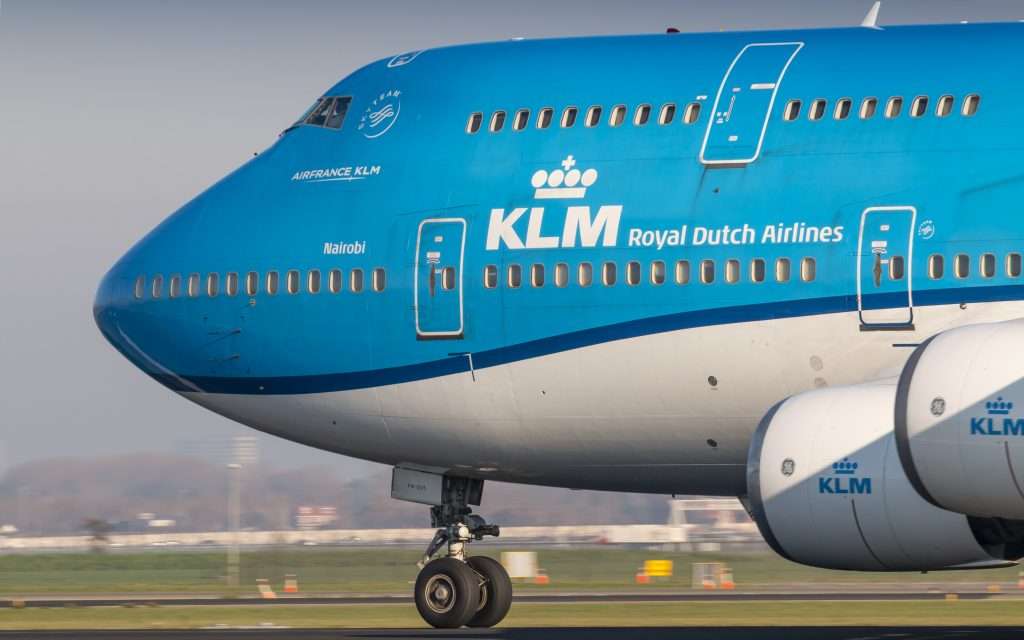
The last flight, operated by PH-BFV, was from Shanghai Pudong International Airport with a 1643 departure local time before arriving into Schiphol at 2110.
This aircraft was part of a total of three, which were returned to service as part of either essential freight operations or the requirement by the local government to help with medical goods.
A Pattern Across The Industry
Unfortunately, KLM’s decision to retire the Boeing 747 followed many other similar moves from global carriers that also relied on the 747s for their operations.
Firstly, the Australian flag-carrier decided to axe its 747 fleet, after more than half a century of operations with the jet. This was a necessary move to preserve the business and lower costs.

While Qantas axed the 747 fleet sooner than expected, the 747 was already in the process of being retired, and it was removed from service permanently around one year earlier than expected.
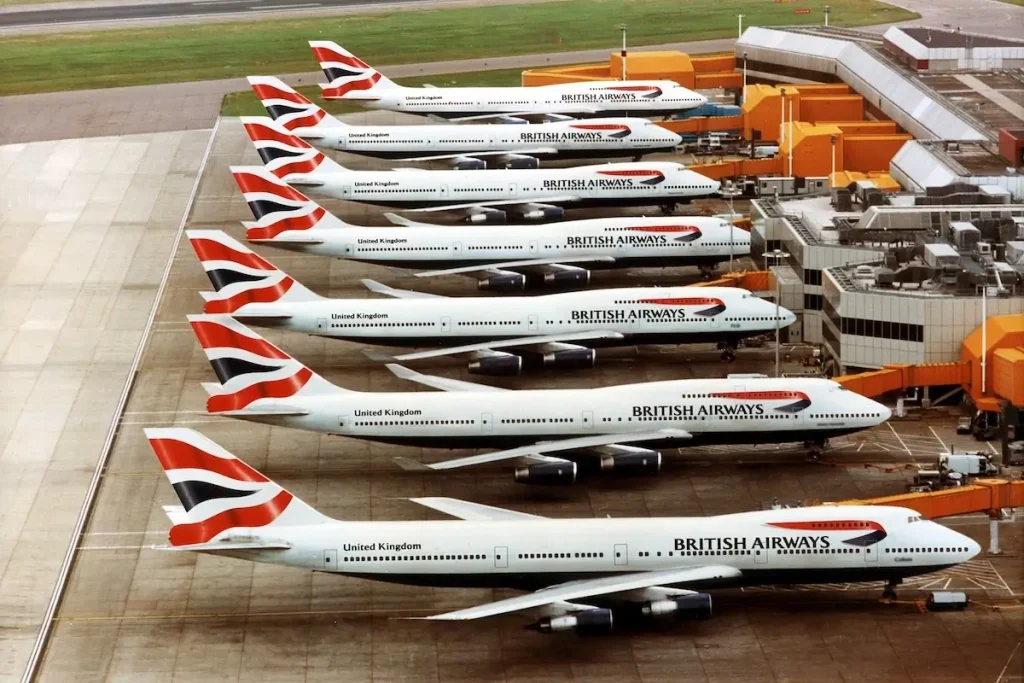
Closer to KLM, neighbouring British Airways axed its 747 fleet after much deliberation as well. This was a move that significantly accelerated the retirement of the beloved type.
Like Qantas and almost every airline that operated the 747, there was a retirement plan already in place; however, for the UK carrier, the understanding was that it would’ve stuck around longer than some other airlines.
British Airways even painted some of its 747s in iconic retro liveries a mere 12 months before the emergence of the pandemic; these liveries, sadly, were not seen on scheduled passenger flights for that long before the series was axed to streamline and cut costs.
Unlike the three aforementioned carriers, Lufthansa’s last five years with the Boeing 747 have been different. A grounding intended to lead towards a permanent retirement to cut costs was dramatically scrapped.
Lufthansa was hit with considerable delivery delays, and instead of dealing with consistent capacity losses, it decided to return Boeing 747s to service, where they are still present today, helping to fly across some of the most in-demand routes where next-generation capacity isn’t available.
Moving Forward At KLM
Ultimately, moving forward for KLM without the usage of the 747 was the right decision for its financial position, which took a beating during the early stages of this decade.
Since the retirement, KLM has moved forward with more efficient twin-engine widebody jets, including the Boeing 787 Dreamliner with the 787-9 and 787-10 operations.
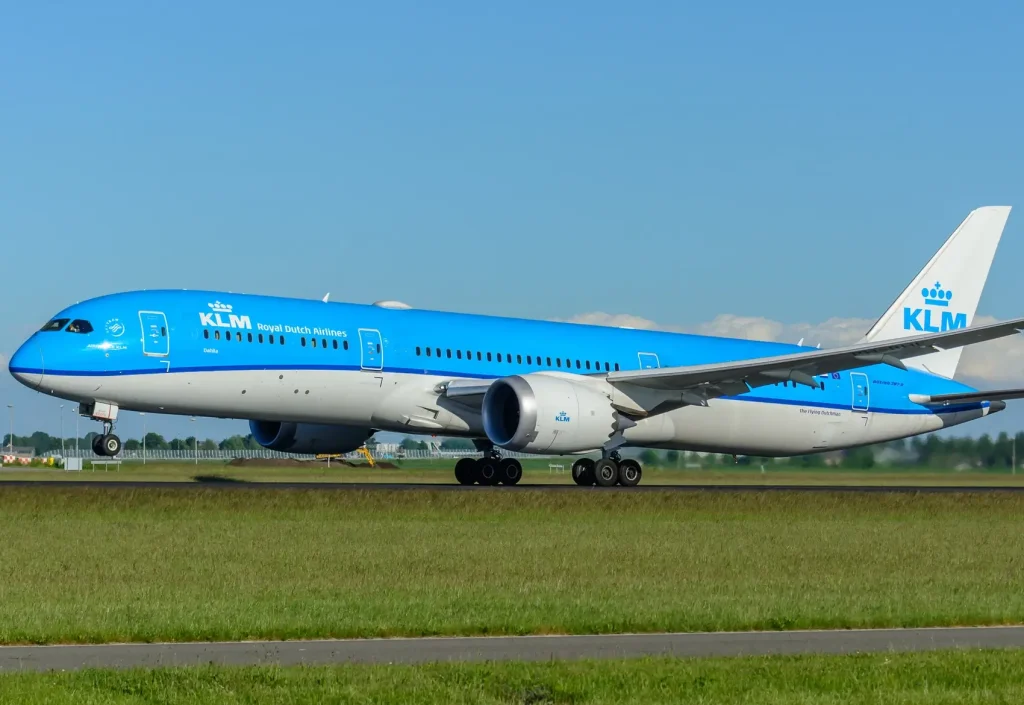
These aircraft, which can operate a host of long-haul missions, offer far greater economics than the outgoing quad-engined superjumbo and also come equipped with modern amenities that passengers demand.
Fleet modernisation remains important for KLM, with the Air France-KLM Group confirming that Airbus A350s will fly with the Dutch carrier in the coming years, adding to the long-haul division further.

ABOUT THE AUTHOR
Daniel Fowkes is a Melbourne-based aviation analyst and journalist with over a decade of industry experience. As founder of Dj’s Aviation, he delivers trusted analysis on aircraft, airline strategy and global aviation trends for djsaviation.net
Leave a Reply
Related Articles




Stay Informed
Get the latest aviation news, analysis and route updates delivered to your inbox.
We respect your privacy. Unsubscribe at any time.
Enjoyed this story?
Make us your go-to for aviation news
Add us as a preferred source on Google and see our latest stories first in Top Stories.
Add Us On Your News Feed
How do they attach to a trimmer head?
Thanks for the interesting history of the KLM 747. Many of us from Holland have fond memories being aboard these iconic planes. I would pay the extra air fare to fly again on the 747 aircraft if I had the choice!