

Just over five years ago, Qantas announced the permanent retirement of its Boeing 747 fleet, accelerating the process.
However, before the airline chose to retire the type, it confirmed it would ground the jet temporarily to combat an evolving economic situation.
So, why were the planes grounded? Then, why were they retired? Was this decision anticipated, and what has followed it?
Boeing 747s Grounded
Qantas, when the height of the pandemic hit, made the challenging decision to ground 100 of its planes, including a strong focus on jets operating long-haul missions.
As part of the grounding, Qantas confirmed it would park the 747, with what many rumoured as some of the last flights for the jet taking off in March.
When the grounding happened, Qantas did not immediately confirm if any plane would be retired permanently, instead choosing to take a more measured approach before making any knee-jerk reactions.
This measured approach proved to be the right decision, as demand would return far slower than any airline could’ve initially imagined, while also returning more quickly based on what forecasting eventually developed months after restrictions were imposed.
The slump in travel demand meant that the return to service of a plane such as the 747 was unlikely. Qantas instead favoured planes like the 787-9 and A330 to operate these types of jobs, which were not only newer but also came without the massive cost requirements.
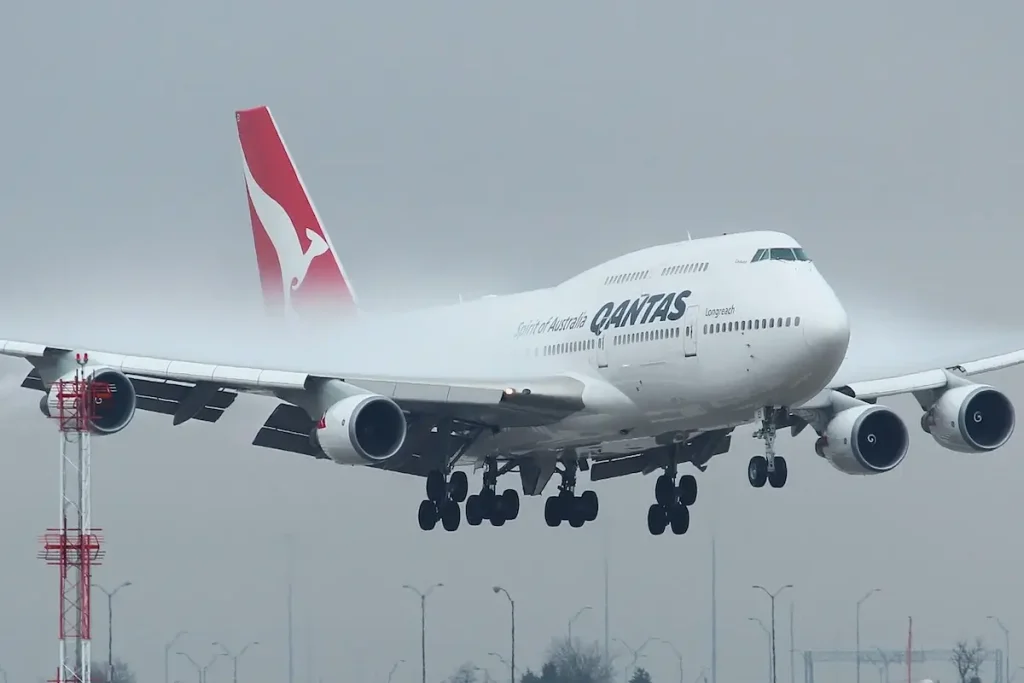
Before the grounding, the 747 fleet had reduced considerably, aligning with the airline’s long-planned decision to phase the aircraft out in the early 2020s. The jet featured more prominently across markets such as Tokyo, Santiago, Johannesburg, and even San Francisco.
For the retirement to initially occur, aside from the COVID-19 pandemic, there needed to be the arrival of a second batch of Boeing 787s, which would replace the queen of the skies.
The pandemic, while forcing airlines to rethink their international networks, also presented the chance to transition to newer planes. However, hindsight would reveal this to be a risky approach, as supply chain issues soon arose.
Qantas Confirms Retirement
On 22 July 2020, Qantas confirmed its decision to bring an era to an end with the retirement of the Boeing 747.
The final 747-400 in the fleet, registered as VH-OEJ, departed Sydney in the early part of the afternoon as flight QF7474, ending a staggering five decades of flying the program from Australia.
The first delivery of the 747 to the Australian carrier occurred in August 1971, when the jet was still a 747-200. That very same year marked a changing of the guard for the flag carrier as it began to transition towards larger jet-powered planes to develop its international network.
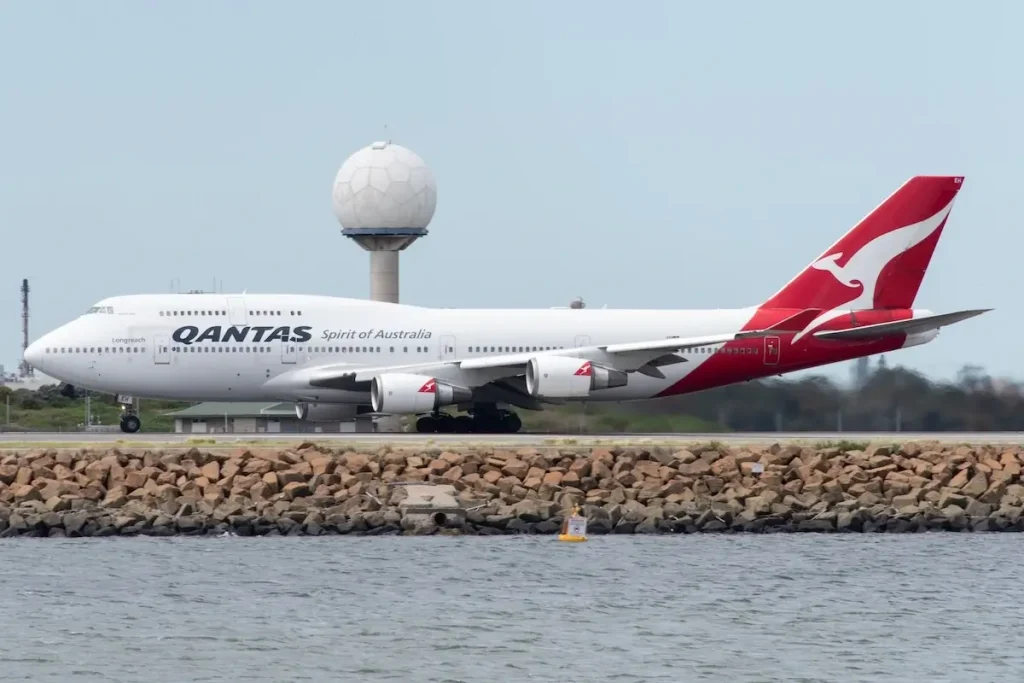
However, the 747’s retirement was to be expected. Qantas was already in the process of removing the type from its network; however, when the global pandemic arrived, serious questions were raised about the future of the business.
With travel demand dropping to zero, the carrier accelerated the retirement of the aircraft to expedite the transition to newer planes, as there was little to no requirement for larger planes to operate on the network.
As a result, the retirement did not come as a shock. While an accelerated retirement aligned with the decisions many other airlines were making, it still occurred at a time when aviation enthusiasts were unable to farewell the aircraft properly.
British Airways also went through a similar experience, choosing to retire its Boeing 747 fleet earlier than expected after similarly grounding the jet, and then decided to cut its losses.
What Happened After?
Replacing the Boeing 747, given its importance and long-standing history within the Qantas operation, remains impossible to this day.
However, much like many other airlines, without a dedicated replacement, adjustments in the business have been necessary to mitigate the capacity losses experienced.
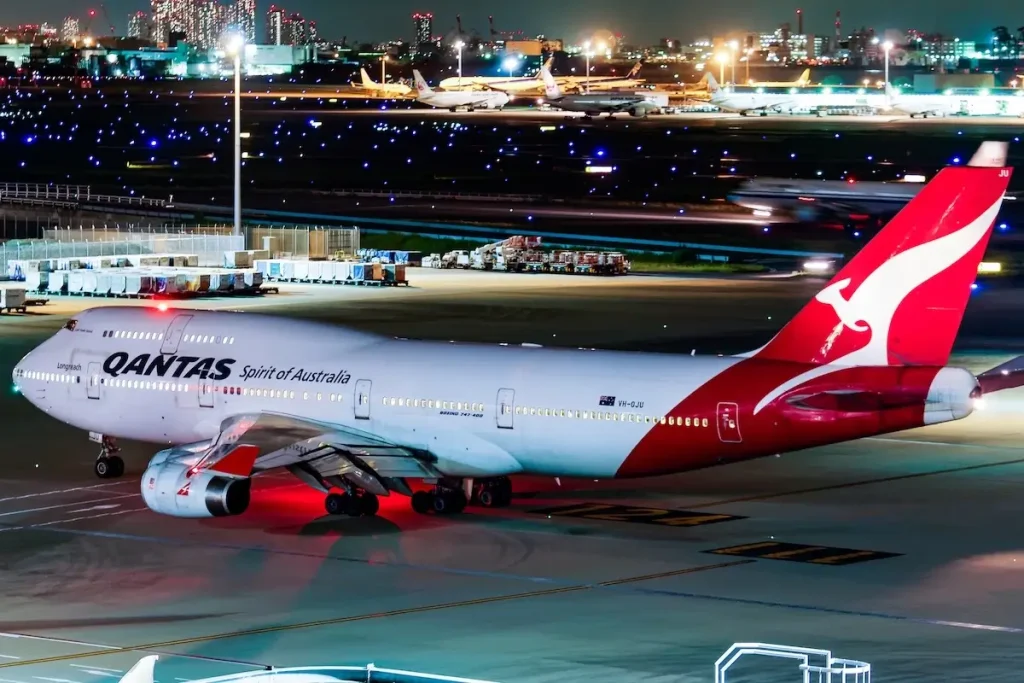
The Boeing 747 was an icon; the airline had multiple landmark moments in the program’s history, such as flying rescue missions, helping customers get home during natural disasters and political tensions, while also finding ways to utilise the durability and size to the advantage of the network in other aspects.
Concerning the airline’s requirement to replace the program, Qantas has primarily leveraged the next-generation capabilities of the Boeing 787 Dreamliner to help make this possible.
The 787-9 offers flexibility, a suitable range, and capacity, allowing it to be seen across many major international markets while also being efficient. This makes it a more appropriate choice for long-haul flights than the older quad-engined plane.
While not for the long term, Qantas is also retaining its Airbus A380s. This superjumbo has helped the company cope with delays in acquiring the 787 and meet capacity across high-density markets.

The Boeing 747 remains an icon, and while for every airline it has been a challenge to replace it adequately, the industry finds itself in an era where these larger quad-engined planes are no longer favourable. Therefore, airlines must adapt, respond and find alternatives.
The A350-1000 will help replace the A380 moving forward. Additionally, when complemented by more Boeing 787s, these two series will provide a solid platform for the flag carrier to serve its international network.

ABOUT THE AUTHOR
Daniel Fowkes is a Melbourne-based aviation analyst and journalist with over a decade of industry experience. As founder of Dj’s Aviation, he delivers trusted analysis on aircraft, airline strategy and global aviation trends for djsaviation.net
Leave a Reply
Related Articles




Stay Informed
Get the latest aviation news, analysis and route updates delivered to your inbox.
We respect your privacy. Unsubscribe at any time.
Enjoyed this story?
Make us your go-to for aviation news
Add us as a preferred source on Google and see our latest stories first in Top Stories.
Add Us On Your News Feed
The A380 is a beautiful plane and it is the best replacement for high capacity routes that may have used 747 in the past. The Boeing 787-9 is rubbish when compared with the big bird of the sky. The NEO A380 should have been developed instead of canning this magnificent plane
I don’t know why they call them the Queen of the sky, they bounced all over the place, noisy,
Shit planes noisy rattled, , bounced all over
Grow up
Big mistake the 747 was and is the best aircraft ever built and the clear favourite of travellers The 787 doesn’t compare favourably in any capacity other than fuel savings. It also has a terrible history which airlines flying it want to ignore. Cheaper operation is not always the best consideration for use.
The 747 might have been more expensive to operate, but with humans flying it rather than computers, it was a much safer aircraft. It is the BEST ever produced and was replaced by shareholder greed!