
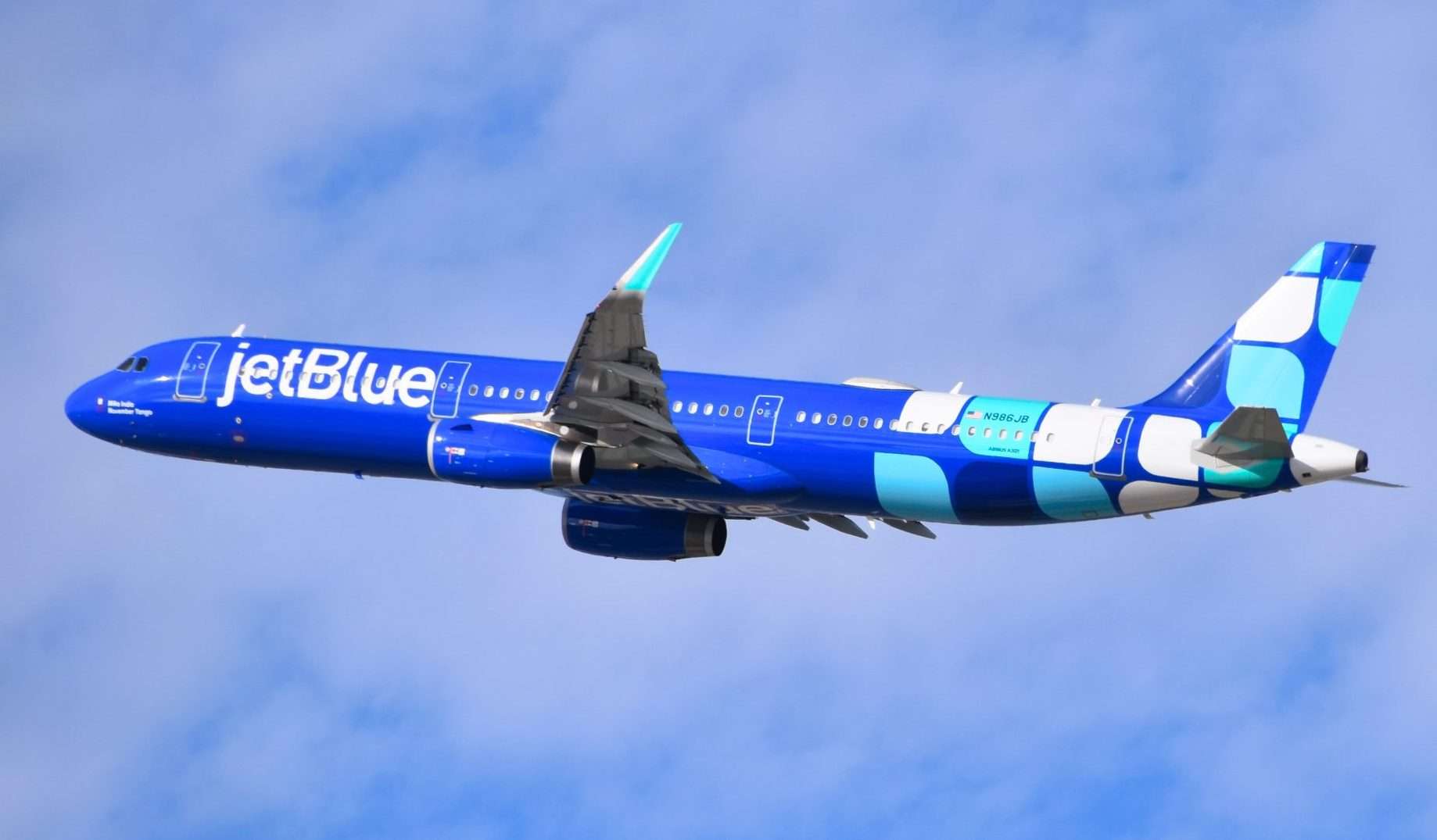
JetBlue is continuing to battle aircraft groundings as the airline struggles to perform to the most optimal nature.
As part of a recent quarterly and, thus, half-year results report, the airline discussed further information regarding aircraft groundings and the future of other upcoming planes.
Future deliveries across the JetBlue fleet will be delayed, with the airline deferring deliveries of 44 new aircraft from Airbus in the single-aisle A321neo family. As a result, no jets will be delivered until at least 2030 from 2026 as part of the latest guidance.
The deferral of these planes will greatly aid the overall capital expenditures, with the reduction equating to some USD 3 billion. Ultimately, this will improve free cash flow and restore the health of the balance sheet, which are important aspects of the business.
JetBlue says that Pratt and Whitney engine-related aircraft groundings are impeding their business the greatest deal, with the ability to grow at risk. Furthermore, internally, this array of problems is also hurting their ability to reach profitability.
While aircraft groundings hurt, JetBlue mentions inflation and air traffic control difficulties as other factors impacting the business.
Ultimately, running an airline involves many difficulties, and while that has always been a consistent factor, airlines are feeling the heat now more than ever.
JetBlue adds that revenue growth has not been able to outpace the cost of the challenges, which is why the airline must implement strategies that lay a foundation for the future.
The U.S. airline wants to generate a positive operating margin in the future while also focusing on key elements such as becoming more sustainable.
For airlines worldwide, however, the persistent Pratt & Whitney engine saga has been a massive problem that most haven’t been able to recover from. As a result, airlines have been left scrambling with operational impact and much more, including finances.
Some carriers have turned to the highly competitive leasing market to help propel them forward and mitigate some capacity loss. Meanwhile, others have extended the lease of existing planes, which may also be less efficient in covering the overall capacity loss.
Ultimately, even as companies make these rather drastic adjustments to their business, they still feel substantial pressures and would rather these planes be ungrounded or, better yet, unaffected for future deliveries.

ABOUT THE AUTHOR
Daniel Fowkes is a Melbourne-based aviation analyst and journalist with over a decade of industry experience. As founder of Dj’s Aviation, he delivers trusted analysis on aircraft, airline strategy and global aviation trends for djsaviation.net
Related Articles




Stay Informed
Get the latest aviation news, analysis and route updates delivered to your inbox.
We respect your privacy. Unsubscribe at any time.
Enjoyed this story?
Make us your go-to for aviation news
Add us as a preferred source on Google and see our latest stories first in Top Stories.
Add Us On Your News FeedRelated articles
· Airlines
Allegiant Air Buys Six More 737-8s From Boeing
Daniel Fowkes
26/10/2026
· Airlines
Emirates vs Qatar Airways: The Gulf Superhub Rivalry Compared
Bryan Shelmon
26/10/2026
· Airlines
Riyadh Air Is Moving Away From Riyadh
Daniel Fowkes
26/10/2026
· Airlines
Emirates Isn’t Worried At All
Daniel Fowkes
25/10/2026