
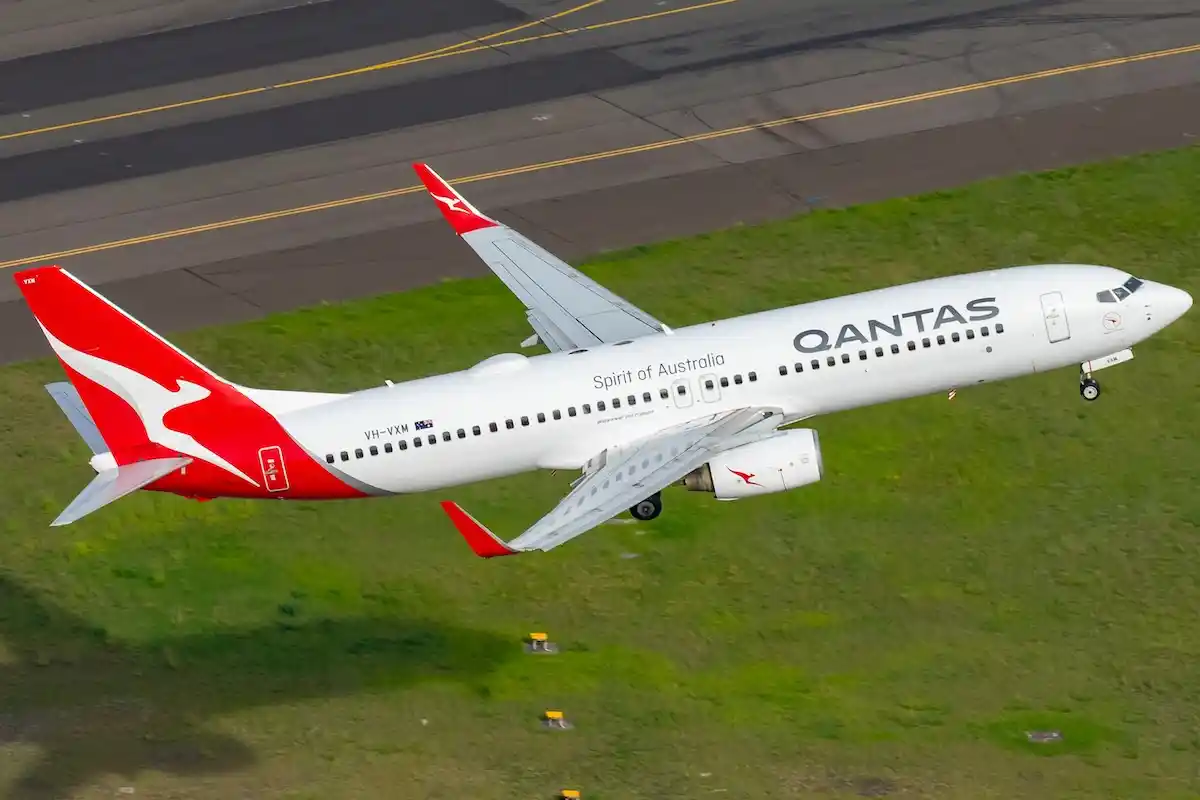
The Qantas Boeing 737 fleet is nearing the end of the road, with an agreement to sell 44 737-800s and their attached 88 CFM56-7B engines to AerFin.
The deal establishes a new seven-year disposal programme as Airbus aircraft take over the role of the older workhorse 737NG family, previously tasked with short- to medium-haul domestic and regional international flying for the Australian flag-carrier.
AerFin, an aftermarket specialist, will take on 737s during this period, but there is no agreement that the type will exit immediately; it will occur over time to help mitigate capacity loss.
Despite the planned progressive axings, AerFin will see the first handovers scheduled before the end of the year, with Qantas also retaining flexibility in its retirement planning given uncertainties around the delivery of the successor, the A321XLR.
Qantas begins the 737 phaseout plan
Per AerFin’s announcement, the acquisition is the largest in its history from a transactional standpoint and involves Qantas, a major international airline renowned for its maintenance upkeep.
The heart of the deal is the remaining Boeing 737s that’ll be withdrawn from Qantas operations, with a date yet to be fixed; the flexibility of the retirement is pivotal but will not change the disposal arrangement agreed with AerFin. Under this arrangement, it becomes a matter of when, not if.
The 737s, which Qantas says have been at the heart of the domestic operation for so long, will continue to transport passengers for many years and therefore work alongside the incoming next-generation fleet.
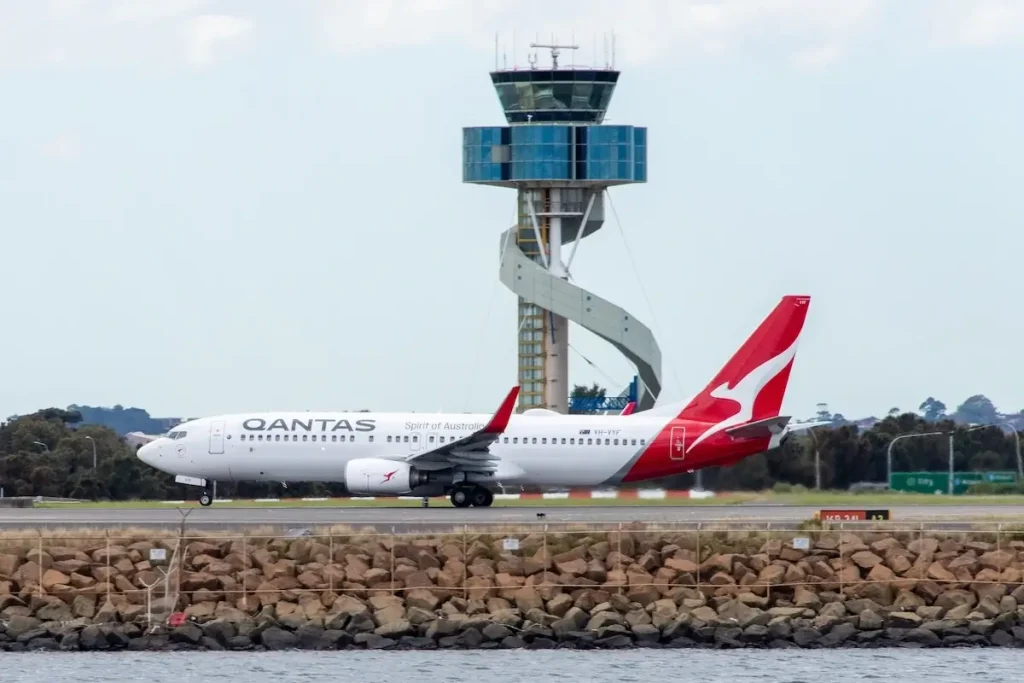
However, the airline’s domestic chief executive, Markus Svensson, confirmed that the agreement with AerFin for the Boeing 737s will make the plan more concrete for most 737s, without sacrificing flexibility if circumstances change and new jets are not delivered on time.
The seven-year transfer programme therefore is not a deadline for retiring the Qantas 737 family, and this was an important consideration to retain the types for as long as necessary; this is also subject to change, with earlier retirement possible depending on the economic landscape.
With Qantas flying well over the 44 Boeing 737s listed in the agreement with aftermarket specialist AerFin, the specialist will still take on more than half of the remaining units.
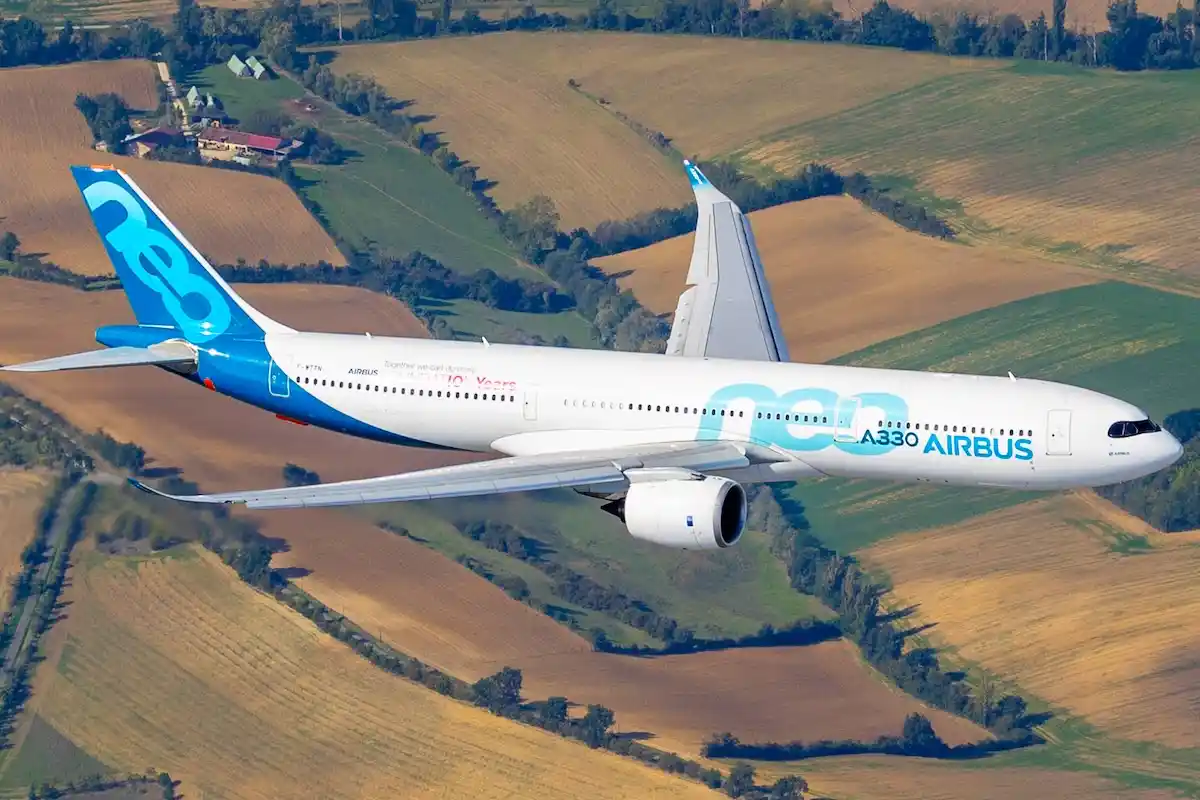
Airbus A321XLR will replace the Boeing 737
For Qantas, the replacement of the 737 has also been secured, and the aircraft has been delivered for some time; only now has the 737’s fate beyond retirement become clearer.
Qantas will replace the 737 with the Airbus A321XLR. Qantas confirmed an initial order for 28, but later scaled back to 20, bringing the total to 48 as part of a broader Group-wide single-aisle refresh that also included jets for Jetstar, the low-cost division.
While the A321XLR takes over the mainline Boeing 737 operation, QantasLink has already replaced the Boeing 717s with Airbus A220-300s; deliveries continue, but the airline has axed the older Boeing type from its regional setup, bringing a new wave of efficiency.
The A321XLR for Qantas brings many improvements and the chance to scale not just domestic flying but, crucially, open the door to specific international services with a published range close to 9,000 kilometers.
Those specifications on the A321XLR, when paired with its extended fuselage thanks to being based on the A321neo, which has become the best-selling product produced by Airbus annually, make it not hard to see why South Asia and Pacific markets have been identified as optimal for the XLR at Qantas.
The replacement therefore isn’t like-for-like, such as a 737-8 replacing the 737-800, but rather an evolution in how single-aisle services are offered, with airlines looking to add capacity on these segments, driven by rising demand. However, they are still battling slot constraints.

Qantas sees the A321XLR, with its different cabin configuration, larger capacity, and longer range, as an aircraft on a separate level from the 737-800, with 20 business-class seats also optimised for premium revenue, whether domestically or internationally.
While the 737s will remain for quite some time, AerFin’s agreement differs from an airline buying older jets for operational purposes. Instead, the company looks to supply engines, repairs, aircraft management, and vital materials to operators of certain types.
The intention for the 737s at Qantas could align closely with supplying materials and supporting the existing fleets they manage, with executives previously flagging a plan to expand the component supply, asset management, and materials recovery side of the business.

ABOUT THE AUTHOR
Daniel Fowkes is a Melbourne-based aviation analyst and journalist with over a decade of industry experience. As founder of Dj’s Aviation, he delivers trusted analysis on aircraft, airline strategy and global aviation trends for djsaviation.net
Related Articles

Stay Informed
Get the latest aviation news, analysis and route updates delivered to your inbox.
We respect your privacy. Unsubscribe at any time.
Enjoyed this story?
Make us your go-to for aviation news
Add us as a preferred source on Google and see our latest stories first in Top Stories.
Add Us On Your News Feed