
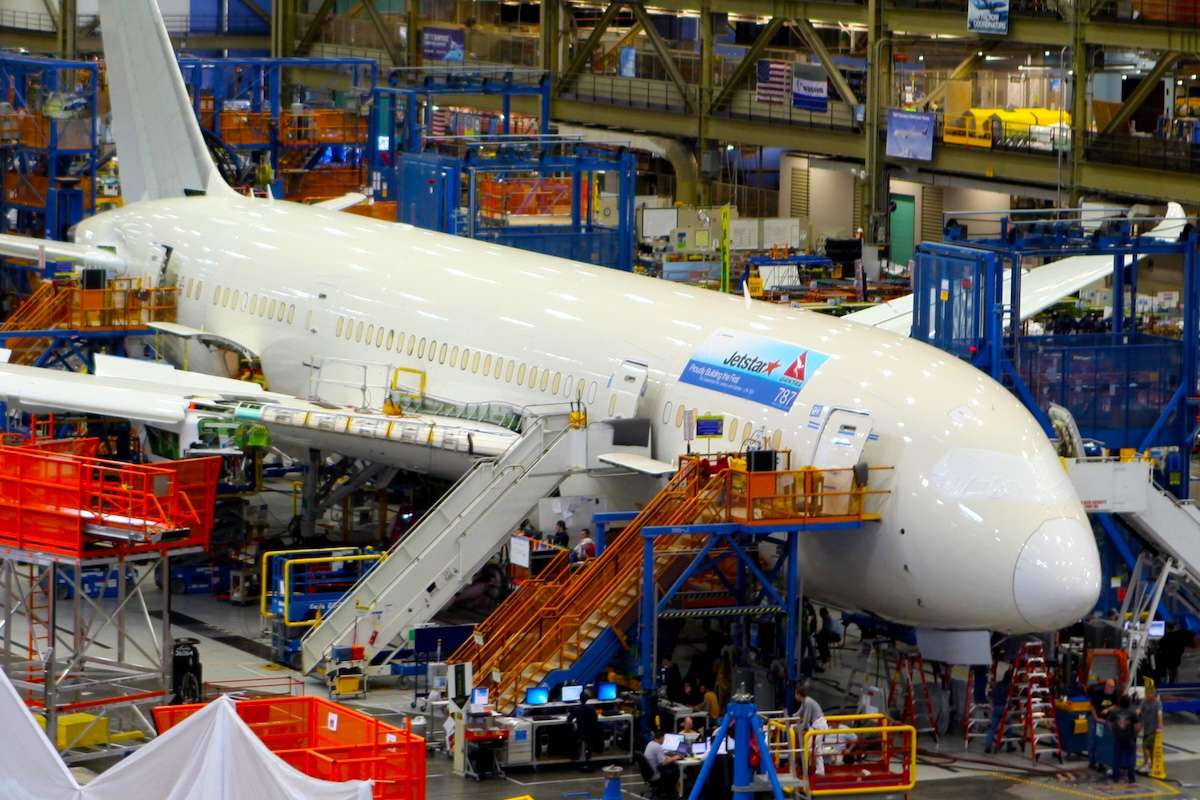
Boeing is taking the neccesary steps to begin preparing a new high-capacity single-aisle jet to slot into the middle of the market.
What has been a long time in the making but ultimately stalled following several internal and external crises has seen conversations pick back up, with the clean sheet pitched as the successor to airlines’ requirements for a single-aisle, larger-capacity option.
Positioned around, but also above, the existing but uncertified Boeing 737-10, would look to heavily develop a jet capable of entering service by the mid to late 2030s.
Why Boeing Needs This New Model
Boeing’s market share and the positioning of its products have taken a heavy nosedive in recent years, driven by its own turbulence and a shift towards the more stable Airbus. The A321neo has been a prime example, occupying the high-capacity narrowbody niche that had long been in Boeing’s hands.
That competitive gap is healthy; it forces planemakers to innovate, find ways to scale back lost ground, and puts more opportunities out there for airlines to get the aircraft they want, when they need it most. However, it also ignites a burning desire to respond, and, in Boeing’s case, to ensure that the 2010s and 2020s do not repeat themselves into the 2030s and 2040s.
With airlines continuing to demand improvements in fuel burn and emissions, and lower trip costs that also benefit their customers, there are challenges in the current aircraft programmes offered by all manufacturers in adequately addressing these requests over the next decade.

As a consequence, Boeing, with its already dated 737 fuselage and legacy, will eventually require a facelift. While this new aircraft hasn’t been publicly confirmed as the answer to the MAX, a new clean-sheet design does help create a viable path to a performance leap.
Boeing’s already lenient operational practices, compounded by a reputational crisis, have weakened its market position. While orders continue to come through, ground has been ceded to Airbus. As a result, it’s important that whatever comes next restores the business from an investor and customer standpoint, too.
A Brief Look Into The Boeing NMA History
With Boeing targeting something either around the 737-10 or above in scope, this falls very close to the new middle-of-the-market airliner that had been floated across the 2010s but ultimately did not come to fruition.
Now, this New Midsize Airplane (NMA) would be another ambitious attempt to fill a niche between single-aisle and widebody aircraft, but it hasn’t advanced as quickly towards newer technologies as other programs.
Boeing’s initial attempts were ambitious; the jet, dubbed the 797, attracted widespread interest from major international airlines and lessors, including U.S. carrier Delta, which reaffirmed its commitment to order hundreds of the aircraft if the program were launched.
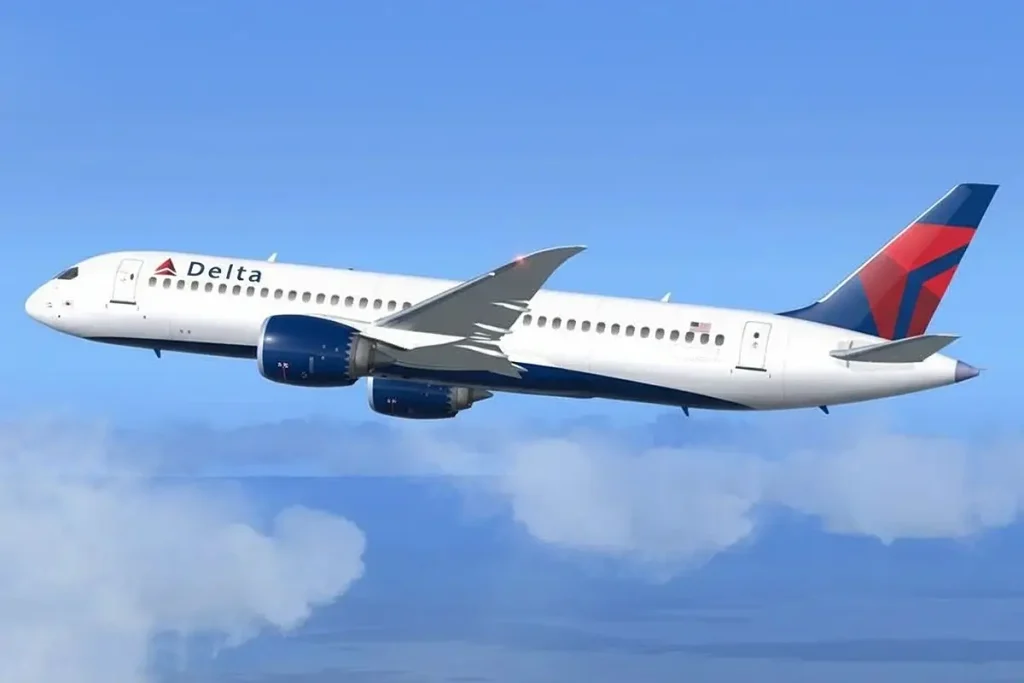
However, while reaching key study phases within Boeing and talks continued to progress to find a way to get the jet airborne for this version of a prospective mid-sized plane, discussions came to a screeching halt when, for the planemaker, a storm of crises arrived at its doorstop.
Boeing was confronted by production issues on many programs, following two fatal accidents for its 737 MAX that led to global groundings, and flaws with the 787. All these issues compounded into a need to divert resources away from innovation and toward the preservation of existing assets, putting endeavors such as the NMA essentially on the back burner for the moment.
With a heightened emphasis on cash preservation and long-term production recovery amid economic uncertainty, committing to launch a new aircraft program, which would’ve carried a high cost, wouldn’t have been a worthwhile choice given the circumstances.
As a result, Boeing ceded ground to those willing to pounce on its misfortunes, with Airbus taking that opportunity and moving ahead with its A321XLR, a new Extra Long Range model aimed at delivering a blend of capacity and efficiency in a single-aisle model.
What Boeing’s Next Aircraft Would Do
Boeing’s next new airplane is expected, if actioned, to be sized around and above the 737-10; this existing model is the largest member of the 737 MAX series to date.
As a consequence, the new plane would aim to replace the upper end of the 737 family while directly responding to airlines’ requirements for more seats across single-aisle platforms, as demand increases globally.

Boeing would look to deliver a meaningful seat increase supported by gains in range, like Airbus with the A321XLR, taking these learnings and adopting them on its own platform. The per-seat economics and passenger costs would be integral to ensuring the new iteration comfortably outclasses what would’ve been on the market for two decades at that point.
A clean-sheet design, while it may not seem like it would implement radical changes given the technological and certification barriers in place, will be important to ensure that efficient engines, cabin optimisation, cockpit changes, and more are implemented to attract passenger airlines over whatever Airbus puts forward in competition.
What This Means For Airbus’ Future
For Airbus, Boeing’s pursuit of a new commercial aircraft hardly comes as a surprise. Airbus has effectively captured the high-capacity narrowbody segment for years with its A321neo, which is now its best-selling jet.
With innovations and successors for niche markets like the debut of the A321LR and A321XLR, this drive to innovate has paid off for the European planemaker, which has diversified its own customer base and put additional presusre on Boeing. That presusre is something its competitor is looking to alleviate.
Airbus has reportedly already begun developing the framework for its next commercial aircraft, which will be released around the same time as Boeing’s planned endeavour. This pits these age-old rivals once more against each other to deliver the best possible platform that airlines will purchase and in bulk for the next 20-30 years of flying.

With airlines also making decisions on their fleets years, if not at times a decade in advance, planemakers have the unique opportunity to get one step ahead of each other with the next aircraft to launch and ensure that they have a plan that can be put forward to prospective customers to help shape network economics into the mid-way point of the century.
Boeing’s new plane would have to already beat Airbus technically, but would also need to be fundamentally safe and scalable to match the demand in this market. The competitive landscape will only get more heated with this new plane; it’s a necessary move by both planemakers to take the next step in the evolution of not just their portfolios but the broader industry.
Risks Boeing Must Look To Manage
Ultimately, for Boeing, a persistent theme that embodies one of the many risks surrounding the launch of a new jet is the uncertainty around costs and the stabilisation of existing programs, both from a base production standpoint and financially.
Boeing would feel comfortable in launching new endeavours if it felt its business as a whole was stable, something it has not felt for some time and a detriment to the prospective launches of jets such as the NMA in the past.
Boeing will also face supply chain and cost pressures involved with the prospective launch of a new endeavour, with recovery still ongoing; these are risks it’ll take on amidst ongoing certification troubles and a drive to increase production rates on other lines as well.
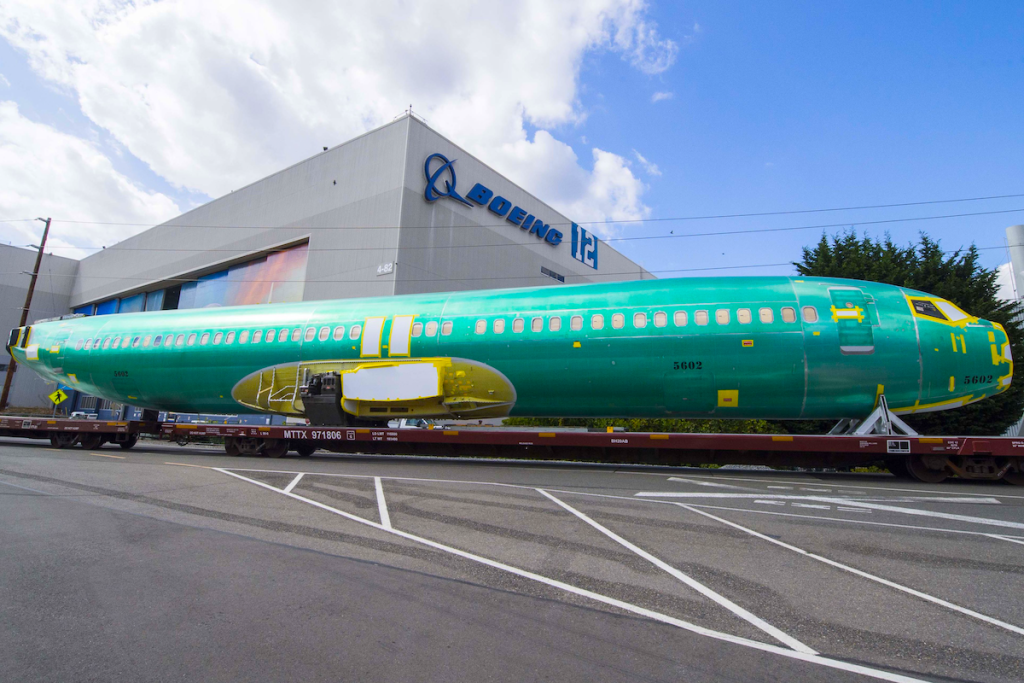
The manufacturer is much more fragile than it once was, and that fragility leaves it more vulnerable than ever before to economic shocks and possible quality lapses. It has to manage the risks associated with a new launch as effectively as possible.
Ultimately, though, even with risks and a volatile market amid ongoing recovery efforts, it’s imperative that the business innovate to avoid falling further behind the pack.

ABOUT THE AUTHOR
Daniel Fowkes is a Melbourne-based aviation analyst and journalist with over a decade of industry experience. As founder of Dj’s Aviation, he delivers trusted analysis on aircraft, airline strategy and global aviation trends for djsaviation.net
Related Articles




Stay Informed
Get the latest aviation news, analysis and route updates delivered to your inbox.
We respect your privacy. Unsubscribe at any time.
Enjoyed this story?
Make us your go-to for aviation news
Add us as a preferred source on Google and see our latest stories first in Top Stories.
Add Us On Your News Feed