
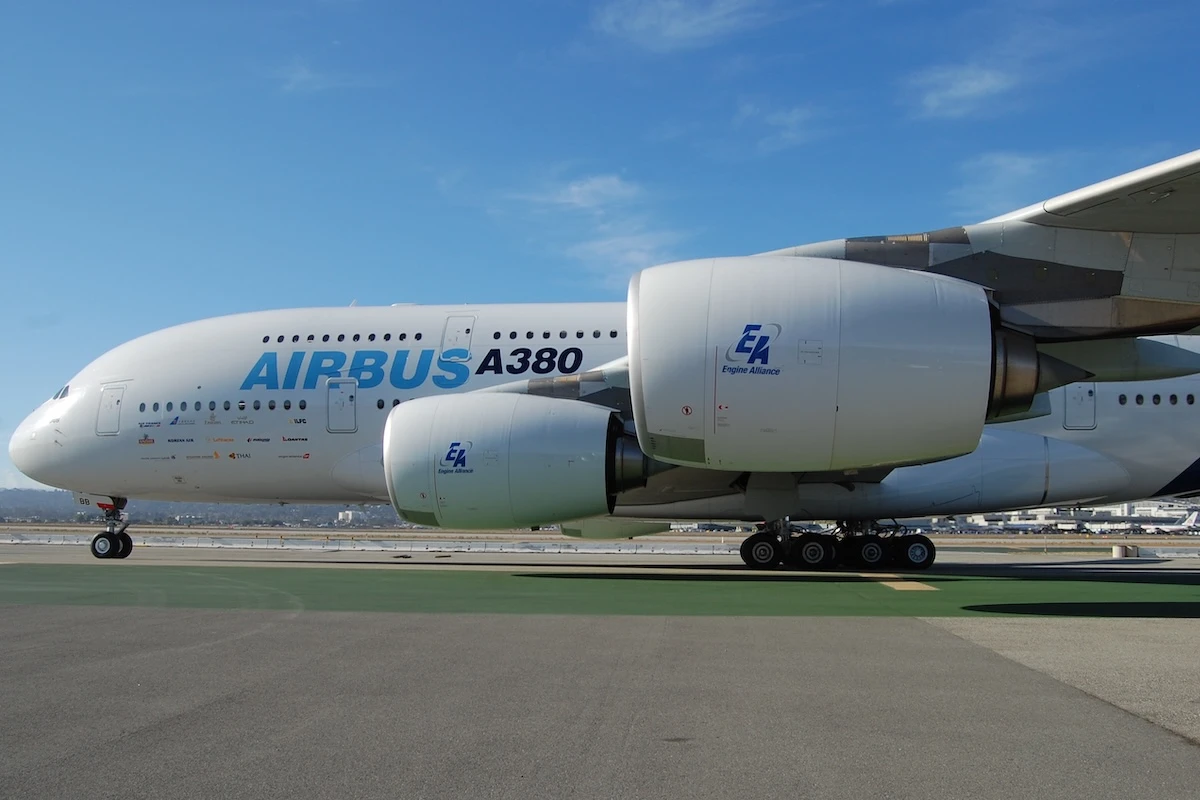
Hong Kong Airlines was barely off the ground as a newly founded airline when it made one of its biggest bets to date: placing an order for the Airbus A380 superjumbo.
Hong Kong International Airport (HGK) is no stranger to arrivals and departures on the massive A380 superjumbo. As the carrier’s main hub, it wanted in on the action with ambitions to expand from regional to more international destinations in Europe.
The order was short-lived. But the whole deal gives lessons from both Hong Kong Airlines and Airbus that the entire industry can learn from.
Hong Kong Airlines Order For 10 A380s Confirmed: Details & Why
Hong Kong Airlines was founded in 2006. Over the next few years, it would grow its network on the backs of the Boeing 737-800 for short-haul routes and the A330-200 for regional medium-haul routes.
In 2008, the global financial crisis erupted, reshaping travel and demand. However, as the world began to emerge from the crisis a few years later, it was time for the airline to bet on where the future of travel would be headed.
Hong Kong Airlines ordered 10 A380-800 aircraft from Airbus in 2011. This deal had a retail value of US$3.8 billion, although it likely wasn’t the price the airline paid. The strategy was to use the aircraft to expand the airline’s routes into Europe, starting with service to London Gatwick (LGW). More specifically, it targeted business-class travel, with the massive aircraft offering plenty of room for premium seating.
With a sizable backlog of orders, Airbus was expecting to deliver the first A380 to Hong Kong Airlines in 2015.
A Big Gamble For This Small Airline
When Hong Kong Airlines makes a bet, it bets big. Not only for taking a risk on expanding its route network into a region undergoing political disputes, but also on its fleet choices.
One of the most surprising elements of the A380 deal is that the 10 aircraft would effectively double Hong Kong Airlines’ fleet. As a startup airline, it only operated 10 aircraft. Supersizing the fleet with the A380 would completely transform the airline’s strategy with more focus on long-haul flights.
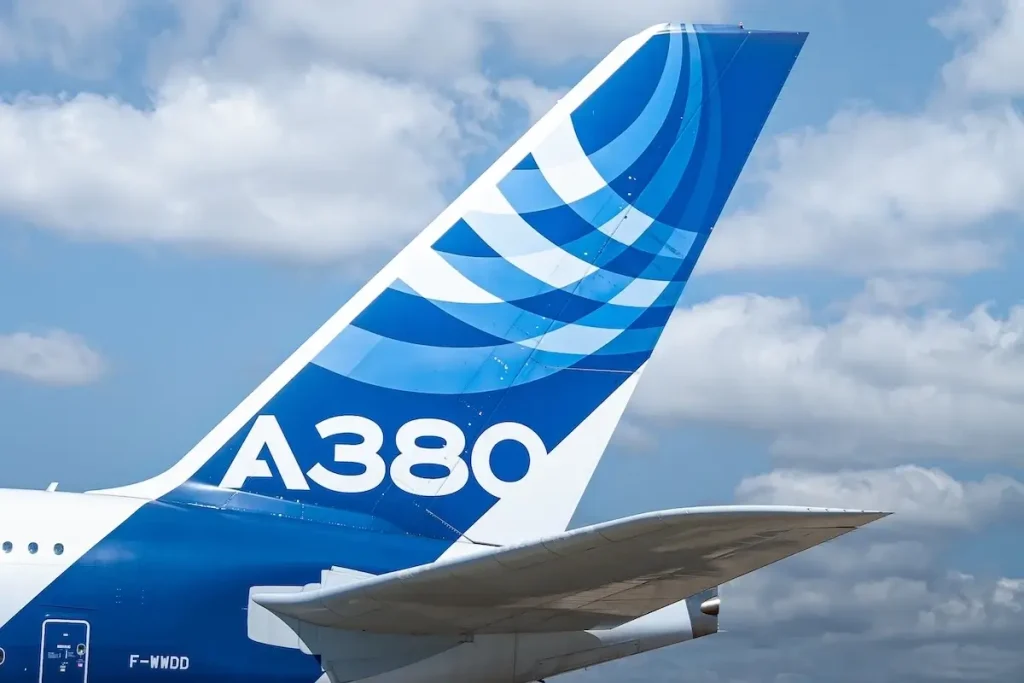
This move would put Hong Kong Airlines in direct competition with Singapore Airlines, Emirates, and Qantas, who already operated flights on the A380 to the city the airline called home.
The proposed route into Europe posed another problem for Hong Kong Airlines. The European Union initiated a carbon emissions tax on international carriers. This largely impacted China-based airlines, but the carrier announced it would still move ahead with the route plans and remained optimistic about receiving the A380s.
Order Cancelled: What Happened?
Hong Kong got its first taste of longer-haul flights with the arrival of the A330-200 in 2010. This aircraft opened up routes from Hong Kong to China, Bangkok, Japan, and Indonesia. Europe was still far on the horizon, but the A380 order was initiated to close the gap. Unfortunately, in 2014, just three years after placing the order, the deal was cancelled.
The airline was undergoing financial struggles during the 2010s, evident in its reduction of long-haul flights. Having just emerged from a financial crisis and proposed taxes, the A380 would be very expensive to operate during the airline’s early stages. Instead of competing with the legacy airlines on Hong Kong routes with the A380, it would focus more on regional Asian destinations.
It’s uncertain how long Hong Kong Airlines was reconsidering its decision to order the A380. However, it waited until it had an alternative strategy in place before officially cancelling the order.
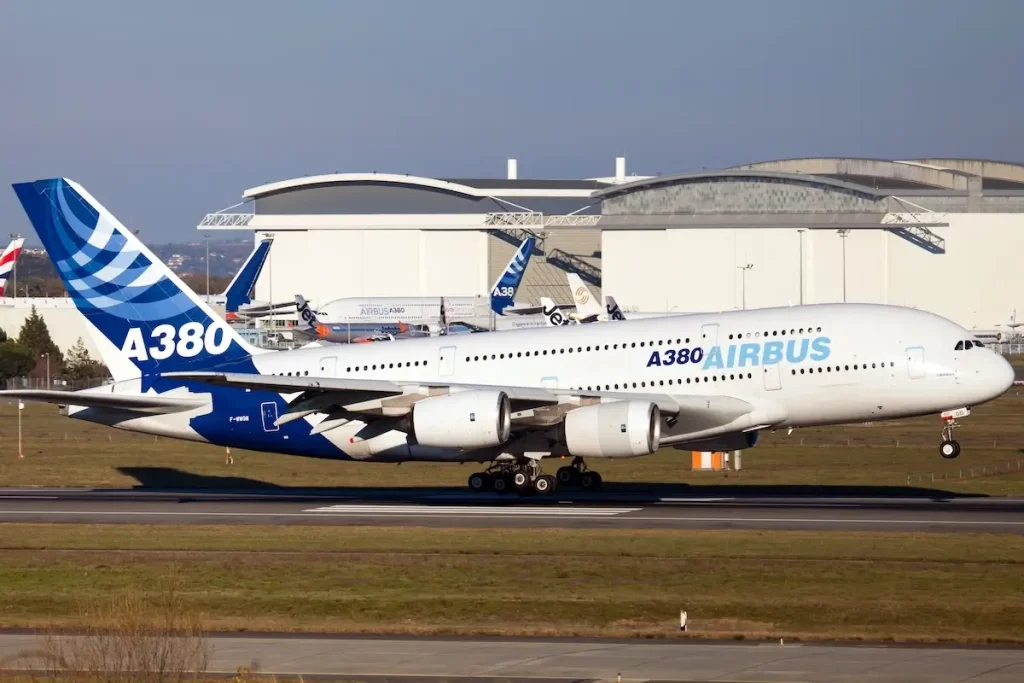
Lessons Learnt From This Collapsed Gamble
Today, Hong Kong Airlines is a thriving airline that has finally achieved its goal of flying international routes. It uses the A330 for flights to the Australian Gold Coast and even as far as popular North American routes to Vancouver and Los Angeles. Its current successes can be attributed to lessons it learned from the A380 order.
Hong Kong Airlines bit off more than it could chew when placing an order for the largest commercial aircraft. It knew the demand for premium travel between Hong Kong and Europe existed based on other airlines operating the route. However, for a startup airline, it was still building its reputation among passengers to generate enough demand on its own to fill its aircraft consistently.
International expansion also exposes the airline to a completely different geopolitical environment than regional operations. Many of its decisions have been shaped based on political tensions with other countries. This is evident even today, as it debates the import of aircraft amid political tensions between the US and China.
The global financial crisis in 2008 impacted the airline’s operation as it was just getting started. Also, the emissions taxes would be substantial for an aircraft like the A380, which has a quad-engine design, compared to the more popular fuel-efficient twin engines used today.
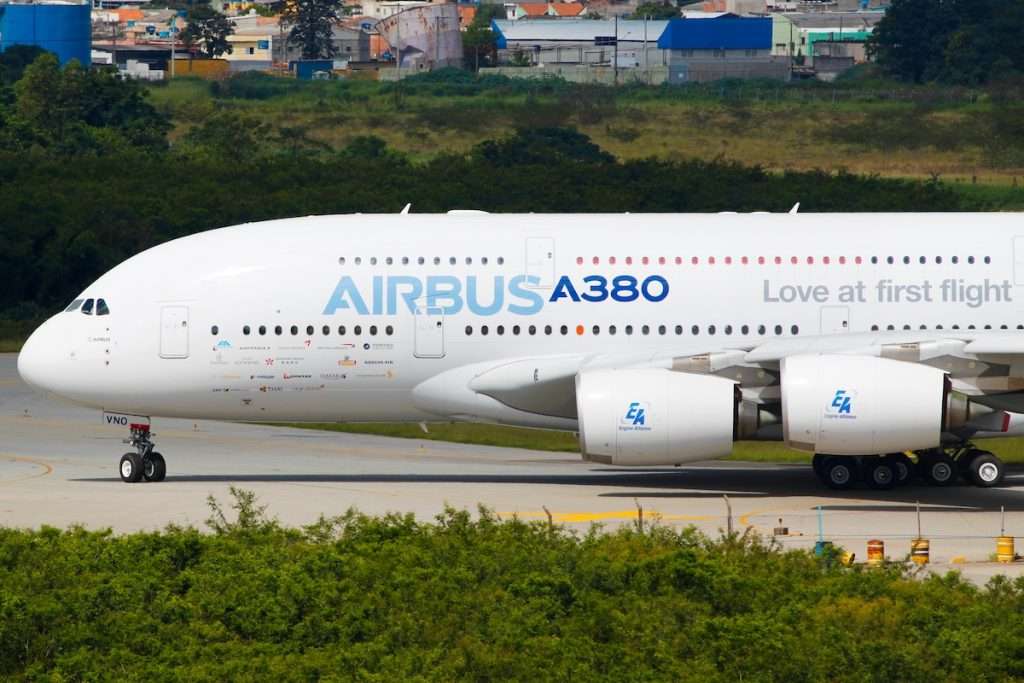
Hong Kong wasn’t the only party to learn a lesson from the cancelled order. Airbus was experiencing an extensive backlog of orders when the airline placed its order. It had to fulfil more than 160 A380 orders before it could even begin on the 10 aircraft designated for Hong Kong Airlines.
Delivery was expected four years later at the earliest. This delay allowed Hong Kong Airlines to rethink its strategy. If the aircraft had been delivered earlier, it might have maintained its strategy of flying the superjumbo.
Ambitious A380 Deals A Common Theme
The Airbus A380 program ended in 2021 with 251 aircraft delivered. However, it received many more orders throughout the program’s existence. Unfortunately, many orders were cancelled, leading to significant losses for the program.
Hong Kong Airlines wasn’t the only airline to cancel orders for the A380. Other airlines that cancelled their A380 orders included Virgin Atlantic, Kingfisher Airlines, Skymark Airlines, and Air Austral.
Each of these airlines had dreams of flying the superjumbo and expanding international route networks. The leading reasons for cancellations were the large backlog of orders, which meant airlines couldn’t get them in time. Another reason was the arrival of more fuel-efficient aircraft. Long delays in A380 deliveries allowed new, better aircraft to arrive that could fly just as far.

ABOUT THE AUTHOR
Bryan Shelmon is an aviation journalist with 10 years of experience covering commercial aviation, private aviation, airports, aircraft and wider industry news. Based in the Detroit metropolitan area, he has contributed to publications including Lonely Planet, Matador Network and Visit Detroit.
Related Articles




Stay Informed
Get the latest aviation news, analysis and route updates delivered to your inbox.
We respect your privacy. Unsubscribe at any time.
Enjoyed this story?
Make us your go-to for aviation news
Add us as a preferred source on Google and see our latest stories first in Top Stories.
Add Us On Your News Feed