

Delta once held orders for the Boeing 787, but not through a deal placed by itself.
Driven by its merger with Northwest Airlines, the U.S. carrier was compelled to undertake a major review of its assets, and as a result, harsh decisions were made.
What was this Boeing 787 order? What happened to the aircraft in the end? Why did Delta make such a decision, and what does its future now look like?
An Order, But Not By Delta
Delta’s Boeing 787 order was not placed directly by the airline; this is a common practice among other major airlines. Instead, it was an order that was inherited.
Northwest Airlines, a former U.S. carrier, was the one to purchase the Boeing 787. This deal, confirmed in 2005, consisted of 18 units and was seen as a stepping stone to greater efficiency for the business.
Like many airlines, Northwest took the time to evaluate its operations, viewing the Boeing 787 as an ideal stepping stone to improve efficiency, retire older aircraft, and develop as the 2010s and 2020s approached.
However, not all aircraft orders pan out as intended. Northwest Airlines, five years after its order for the Boeing 787 was merged into Delta, and as a result, the airline’s iconic branding disappeared, with its assets being transferred to Delta.
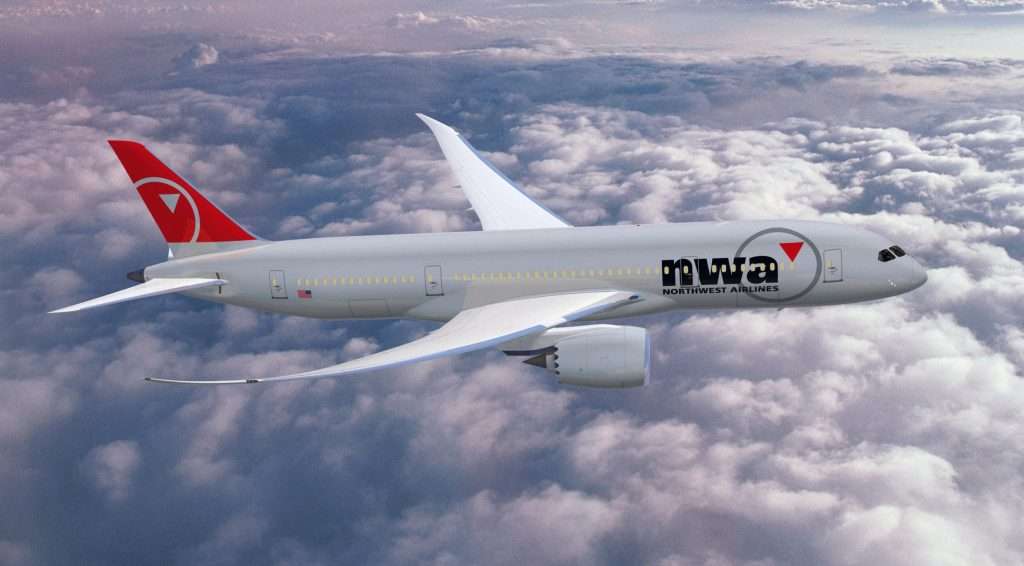
The merger announcement had been in the works for a couple of years, following Northwest’s filing for Chapter 11 bankruptcy protection in September 2005, just a handful of months after the 787 order was placed.
The filing was the first time in almost 80 years of operation that the airline had been forced to make such a decision. The airline’s CEO at the time cited high fuel prices and a failure to navigate other contractual payments had forced the business to preserve itself.
Even though the business was able to emerge from bankruptcy protection, the prevailing sentiment was that its long-standing presence in the industry was coming to an end. This is where Delta stepped in.
A New Era For Delta
With Delta moving ahead with a merger with Northwest, announced in April 2008, this was a deal that would form the largest airline in the world and was expected to be approved by the end of October that same year.
Unlike some mergers that preserve branding, the Northwest name was integrated into Delta and subsequently disappeared; as a result, all the assets that had been Northwest’s were transferred to Delta, sparking considerable intrigue about the direction moving forward.

With Delta having numerous new assets across its business available for use, there’s equal excitement, as there is a requirement for a thorough review of the available assets and what will be carried over alongside what will be axed.
For most airlines, when merging with another business, aircraft are not always carried over; this can include planes that are currently in service as well as those on order for various reasons.
Delta, the airline in question for this example, was compelled to review its fleet and determine the best course of action for its future fleet strategy, which included deciding which aircraft to acquire and what to do with planes already on order.
While these deals are sizable in nature, they also cannot burden the airline in question, which would take on the assets. As a result, at times, harsh decisions must be made.
The 787’s Time Comes To An End
Delta’s inherited order for the 787 seemed unlikely ever to pan out as intended, primarily driven by the airline’s commentary across the aircraft and other core decisions made.
A formal cancellation arrived in 2016, right before the turn of the new year, between Christmas and New Year’s; however, its writing had been on the wall for some time.
Delta had already deferred the delivery of the 18 Boeing 787s earlier in the decade, through to the early to mid-2020s. Deferrals, while not uncommon for airlines struggling to halt growth, signalled the direction a company like Delta intended to head.
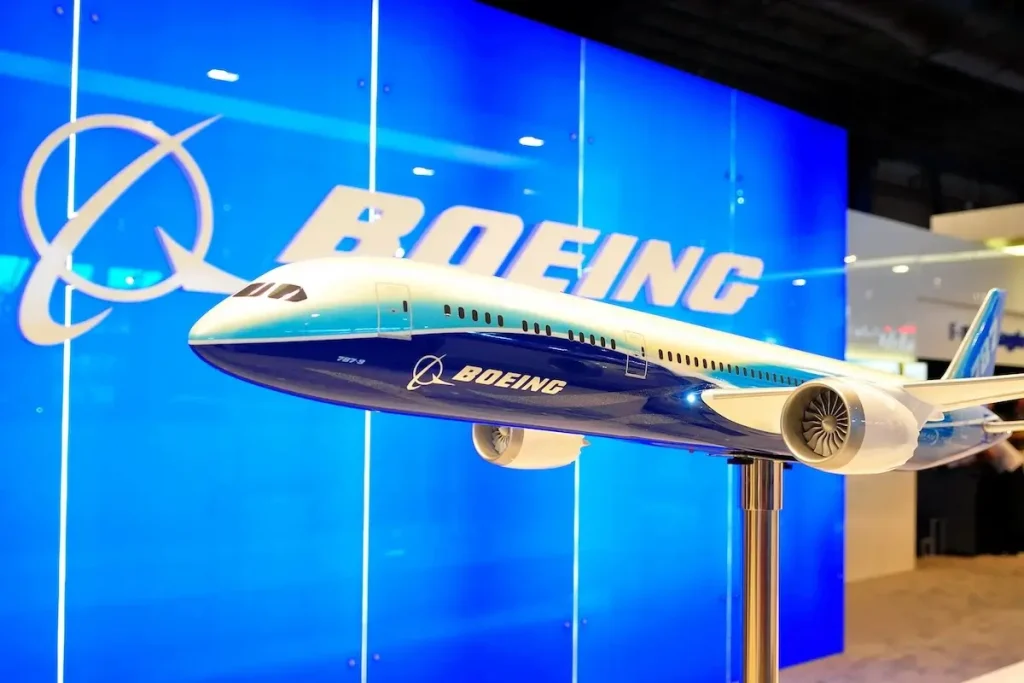
Additionally, the purchase of the Airbus A350 indicated the direction the airline was heading moving forward, choosing Airbus to help power its widebody fleet as the decades progressed, rather than selecting the 787 Dreamliner, which was already on order.
At the time of the cancellation in 2016, the airline’s Senior Vice President of Supply Chain Management said that the move was a business decision that aligned with their fleet strategy and helped to address widebody aircraft needs.
The timing of the cancellation was also in anticipation of the first arrival of the Airbus A350-900, which was to arrive only the following year, meaning the requirement for the 787 was no longer present.
The Future Of Delta
After the airline decided to cancel its Boeing 787 order, a common theme emerged across the fleet’s development, involving a shift towards Airbus.
Delta’s shift began in the early to mid-2010s with a landmark purchase of aircraft from the planemaker. Commitments extend to single-aisle jets and widebody aircraft, with Airbus models playing a crucial role in its day-to-day flying, replacement, and growth efforts.
The shift showed that the aircraft and associated deals Airbus was providing turned out to be more adequate than what Boeing was offering, with the Airbus aircraft replacing the American planemaker’s older models more often than not.

Now, the carrier has integrated types such as the A321neo, A220, A350, and A330neo into its operations, with many more on the way. While the 737 MAX will operate in the single-aisle division, it is the only Boeing aircraft type currently on order.
Ultimately, the inherited 787 order never quite stood a chance for Delta, but was once part of the fleet makeup; much like many mergers, it was a casualty of a fleet review.

ABOUT THE AUTHOR
Daniel Fowkes is a Melbourne-based aviation analyst and journalist with over a decade of industry experience. As founder of Dj’s Aviation, he delivers trusted analysis on aircraft, airline strategy and global aviation trends for djsaviation.net
Leave a Reply
Related Articles




Stay Informed
Get the latest aviation news, analysis and route updates delivered to your inbox.
We respect your privacy. Unsubscribe at any time.
Enjoyed this story?
Make us your go-to for aviation news
Add us as a preferred source on Google and see our latest stories first in Top Stories.
Add Us On Your News Feed
Not a good decision by Delta,especially for their trans Pacific operations.
Delta in my opinion is a great airline!