

Delta has confirmed mass route changes across its winter schedule in a bid to react to economic conditions.
The changes that are coming into effect for the peak winter months of January and February 2026 will see the primary focus across New York area hubs.
As a result, LaGuardia Airport (LGA) and John F. Kennedy International Airport (JFK) will be the focal point for the limiting of frequencies expected during the colder months of the year.
The move will see a reduction of 16% of flying from JFK and an even larger 19% from LaGuardia, in the months following the busy festive period.
These cuts are not isolated, though. This is just when the peak axings will take place; it’s expected in the months leading up to and even after February, there’ll still be network reductions.
The move sees the winter schedule cut as air travel continues to cool in overall demand, with growing economic concerns that are preventing people from flying as they once did.
Much of the economic uncertainty rests on the recent administration change, with President Donald Trump’s return to office, and the subsequent result of this, much emphasis is placed on the impact of tariffs, inflation, and unemployment, according to analysts.

Therefore, Delta is reacting and redeploying its capacity taken from airports in the New York area elsewhere. This is a move that isn’t uncommon, as travel, especially on a domestic front, can soften, but airlines are seeing this softening on a larger scale.
More Details On The Delta Changes
However, in the past, airlines would reduce schedules and risk losing valuable slots in major airports such as New York JFK. A change driven by the Federal Aviation Administration to the way slots are owned has given some respite.
Now, JFK and LaGuardia through to the summer of 2026 will be eliminating a regulation that previously saw airlines run the risk of losing slots when reducing their flying, which will not happen now.
This means the decisions being made by Delta, viewed as critical, will not come back to bite when the flight schedule ultimately returns somewhat back to normal, permitting final scheduling for the Summer 2026 season.

Additionally, Delta has committed to not axe routes or suspend flying to specific markets from the New York area as part of these capacity reductions, instead to strictly lower the amount of flights that’ll be offered during this period.
Even despite this, there are possible repercussions on customers who will not necessarily lose connectivity options because of these changes, but will see a visible lack of options when booking travel during the colder months.
Airlines In The U.S. React
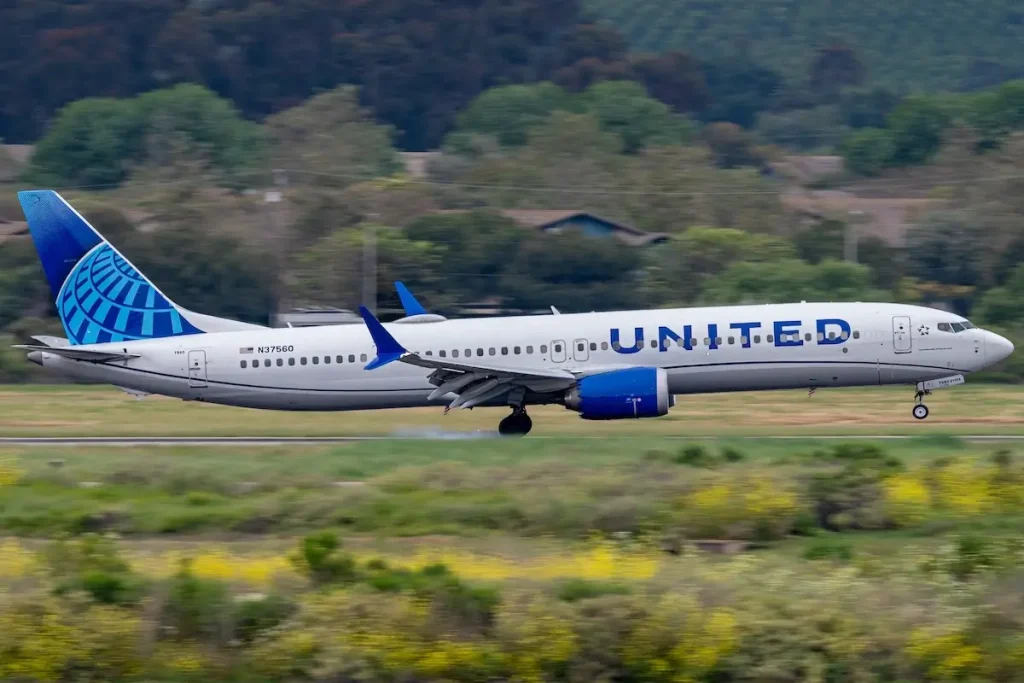
Ultimately, the changes being implemented by Delta across its New York markets are by no means isolated, with other airlines in the United States also seeing similar changes.
From American Airlines to United Airlines, both part of the big three, to smaller operators such as Spirit Airlines and the larger Southwest have all been forced to react to the weakening of the U.S. economy across 2025 by making changes to their flying network.
With upcoming quarterly results and more widespread changes expected to take shape across other airlines’ networks, many will be watching how airlines in the U.S react to the evolving economic situation.
Weakening demand is specifically seen in Economy Class, rather than in the upper classes, which see still suitable demand in forward bookings, something that analysts are not shocked by as the economy takes a hit and the gap grows.
Those same analysts continue to point towards how airlines can read the trajectory of the economy at times better than other fields, thanks to forward bookings helping show where customer confidence lies.

ABOUT THE AUTHOR
Daniel Fowkes is a Melbourne-based aviation analyst and journalist with over a decade of industry experience. As founder of Dj’s Aviation, he delivers trusted analysis on aircraft, airline strategy and global aviation trends for djsaviation.net
Related Articles




Stay Informed
Get the latest aviation news, analysis and route updates delivered to your inbox.
We respect your privacy. Unsubscribe at any time.
Enjoyed this story?
Make us your go-to for aviation news
Add us as a preferred source on Google and see our latest stories first in Top Stories.
Add Us On Your News Feed