

Delta has an Airbus problem, specifically concerning aircraft produced by the planemaker which come equipped with Pratt & Whitney engines.
The airline, thanks to reporting driven by Bloomberg and its sources, is being forced to go as far as cannibalising some of its undelivered Airbus aircraft.
A decision to cannibalise aircraft essentially sees the carrier strip the working engines from new and upcoming Airbus single-aisle aircraft and transport them to the United States.
Once the engines arrive in the airline’s hands, they are then applied to the aircraft, which are currently grounded in a bid to restore capacity as soon as possible.
Then, as a result, with the engines stripped off upcoming aircraft from Airbus, these remain in Europe without engines; it’s a lose-lose scenario for the major U.S. carrier, which is in the midst of a fleet upgrade.
Delta can either bring grounded aircraft back into service or face a shortage in the delivery of new commercial aeroplanes, as they sit without engines and are therefore incapable of flying and cannot be handed off to the airline.
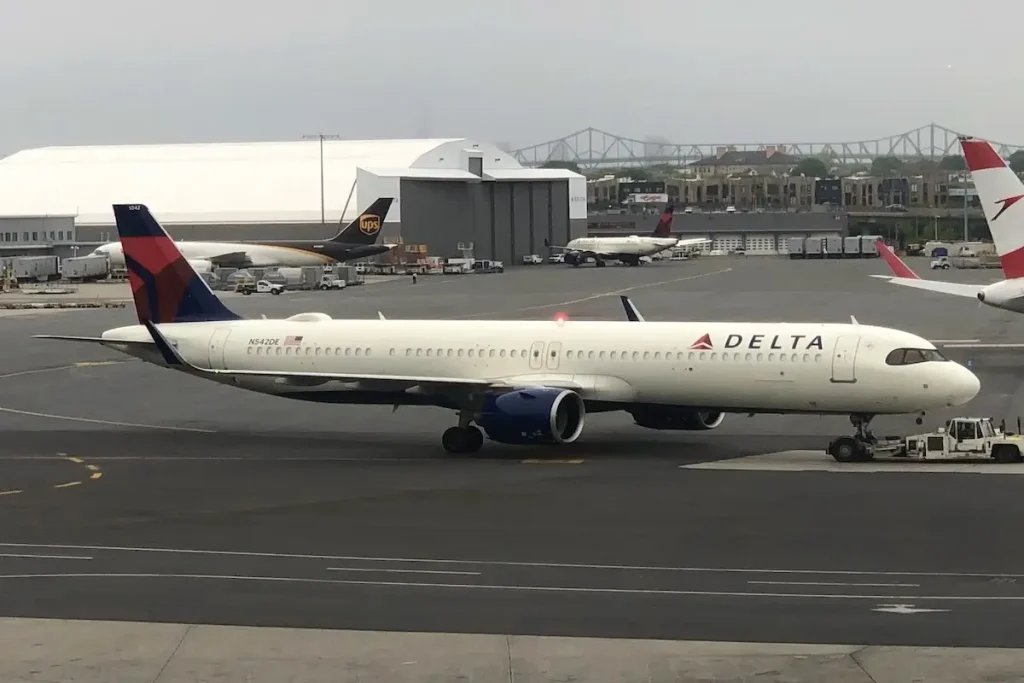
The aircraft family affected is the A320neo, with A321neos specifically playing a role in the renewal of the business to focus on implementing greater levels of efficiency across short to medium-haul routes, but progress in this transition is slowing.
While engines are a cause for concern and are felt around the world with other airlines too that rely on Pratt & Whitney to power their jets, it doesn’t remain the only struggle that Delta faces.
Delta Faces Other Problems
For Delta, there are also challenges in the ability for new planes to get seats certified by regulators, which delays the delivery of these aircraft.
Additionally, Delta has long been concerned about the potential impact of tariffs on its future, particularly in its dealings with foreign aircraft manufacturers, such as Airbus.
As part of fleet renewal efforts, accelerated during the pandemic, Delta has placed a more substantial reliance on Airbus moving forward instead of Boeing, ranging from single-aisles to widebodies.

Due to this, the future fleet makeup will be more heavily weighted to Airbus. Still, with the continued threat of tariffs, there have been visible concerns about the costs that would be associated with taking delivery of new planes.
Delta has hinted several times that it could be forced to defer the delivery of new Airbus aircraft, which are already delayed, or, in a worst-case scenario, cancel orders.
The US carrier has already been forced to find workarounds with Airbus across recent months, with new commercial aircraft deliveries instead of operating a typical Transatlantic delivery flight, first jetting to Japan before crossing the Pacific, the long way around the world.
However, while there are challenges across the business, indicative of the operating environment and global landscape of politics, it’s not all doom and gloom for one of the world’s biggest airlines.

Delta has reinstated its annual forecast after the second quarter surpassed expectations and predicted a strong remainder of the year as people continue to fly despite the uncertainties that face many markets.

ABOUT THE AUTHOR
Daniel Fowkes is a Melbourne-based aviation analyst and journalist with over a decade of industry experience. As founder of Dj’s Aviation, he delivers trusted analysis on aircraft, airline strategy and global aviation trends for djsaviation.net
Related Articles



Stay Informed
Get the latest aviation news, analysis and route updates delivered to your inbox.
We respect your privacy. Unsubscribe at any time.
Enjoyed this story?
Make us your go-to for aviation news
Add us as a preferred source on Google and see our latest stories first in Top Stories.
Add Us On Your News Feed