
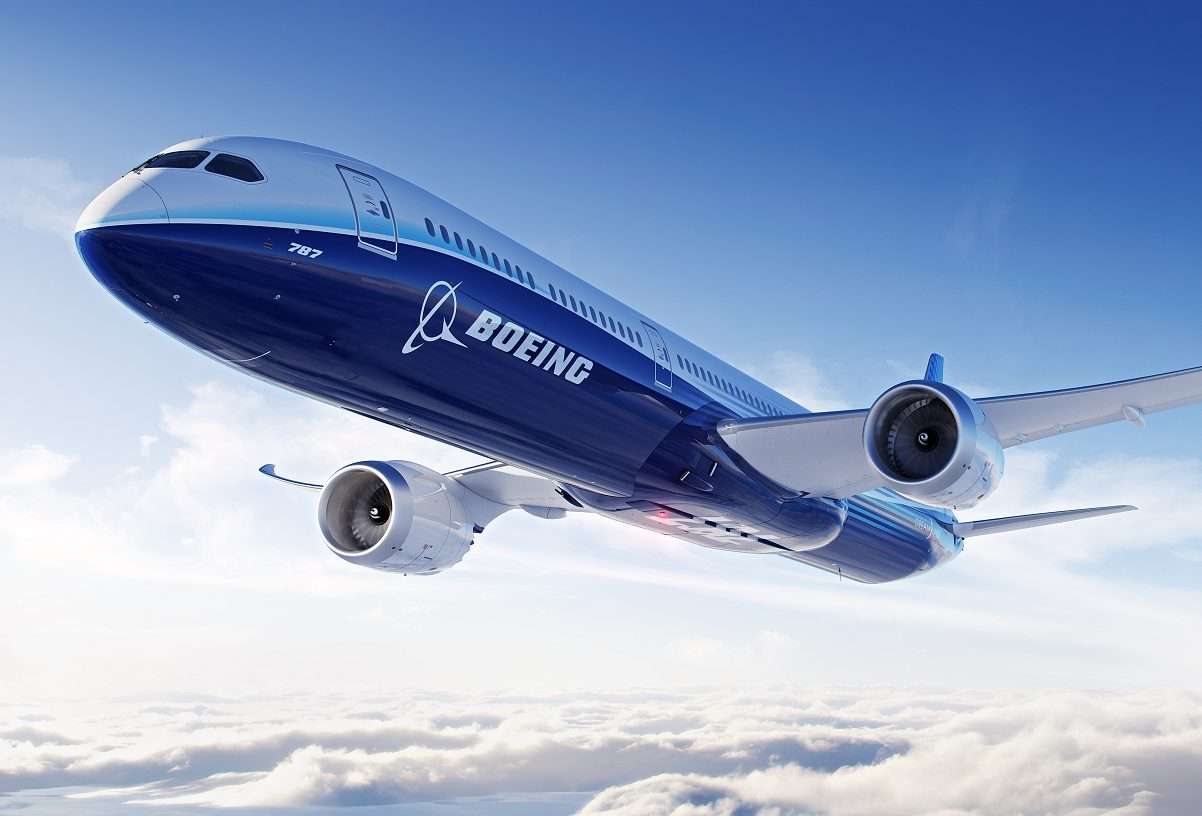
China has lifted the ban on the delivery of new commercial aircraft from Boeing just weeks after enacting the retaliation act.
Bloomberg News reports that China has axed the ban after it agreed to a temporary cut in tariffs with the United States, which were impacting its ability to take on new jets.
News of the retaliatory rejection of new planes being dropped is huge for airlines that call China home and rely on delivering new planes to facilitate their future growth and renewal efforts.
This also means that many airlines that had expressed interest in the possible acquisition of the planes first destined for Boeing will no longer have that opportunity unless another u-turn is taken between China and the United States.
The possible acquisition of what would’ve become whitetails became of great interest to Air India and other companies, who are in the process of major renewal efforts and rely on the delivery of new commercial aeroplanes.
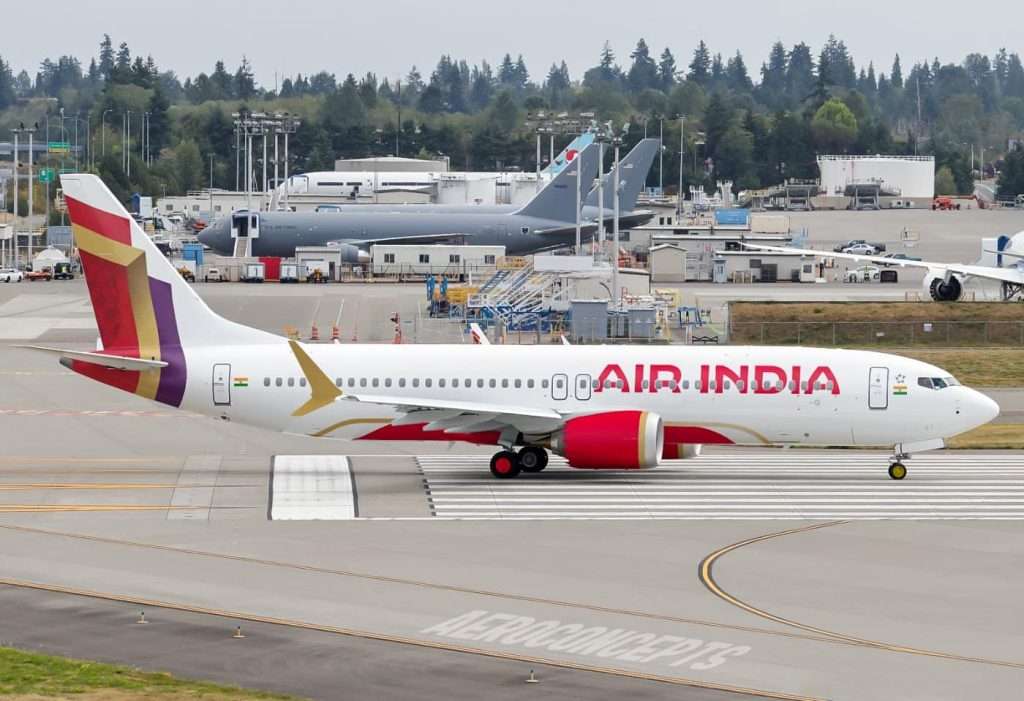
If China were not to accept new deliveries from Boeing, this would present fresh chances for airlines seeking to grow their fleet rather quickly to take these planes.
Something similar happened in Russia when conflict broke out and aircraft manufacturers could not deliver commercial aircraft to this country; those planes then found new homes at other airlines willing to take them on sooner rather than later.
Why China Banned Boeing Aircraft
China first confirmed in April that it would ban new commercial aircraft deliveries from Boeing. This landmark decision had broader effects industry-wide if followed through for a long period.
Aircraft already destined for customers in China when the suspension was implemented were forced to return to the United States without their end customer taking the plane.
China imposed the rejection because it felt the terms being placed on itself by the United States were simply ridiculous. As a retaliation, it began looking to U.S.-based companies to cease trading with them.
Boeing, an American plane manufacturer that produces aircraft for customers, naturally in China, was added to a long list of companies that were unable to execute the transfer of goods.
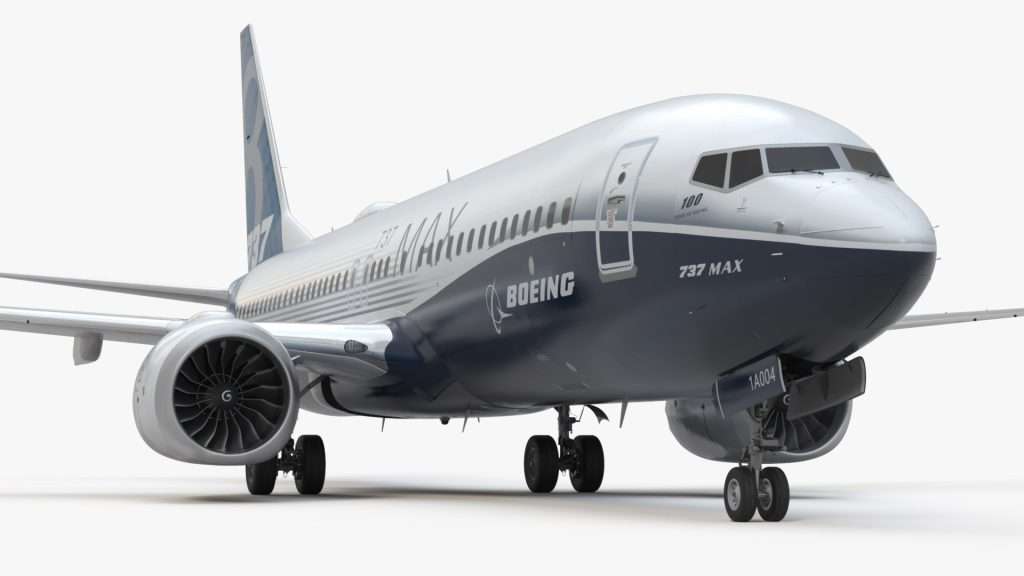
However, tariffs have been slashed between two of the biggest economies in the world, and therefore, deliveries can recommence. This is a win for all parties involved.
Given the continued political uncertainties and, as many industry analysts have flagged, the ups and downs experienced in the last half-decade, just because a resolution has been found now doesn’t mean it will stand; things can change at a moment’s notice.

ABOUT THE AUTHOR
Daniel Fowkes is a Melbourne-based aviation analyst and journalist with over a decade of industry experience. As founder of Dj’s Aviation, he delivers trusted analysis on aircraft, airline strategy and global aviation trends for djsaviation.net
Leave a Reply
Related Articles



Stay Informed
Get the latest aviation news, analysis and route updates delivered to your inbox.
We respect your privacy. Unsubscribe at any time.
Enjoyed this story?
Make us your go-to for aviation news
Add us as a preferred source on Google and see our latest stories first in Top Stories.
Add Us On Your News Feed
Once again Trump had to clean up Biden’s four years of incompetency. Biden could fight his way out of a paper bag!