
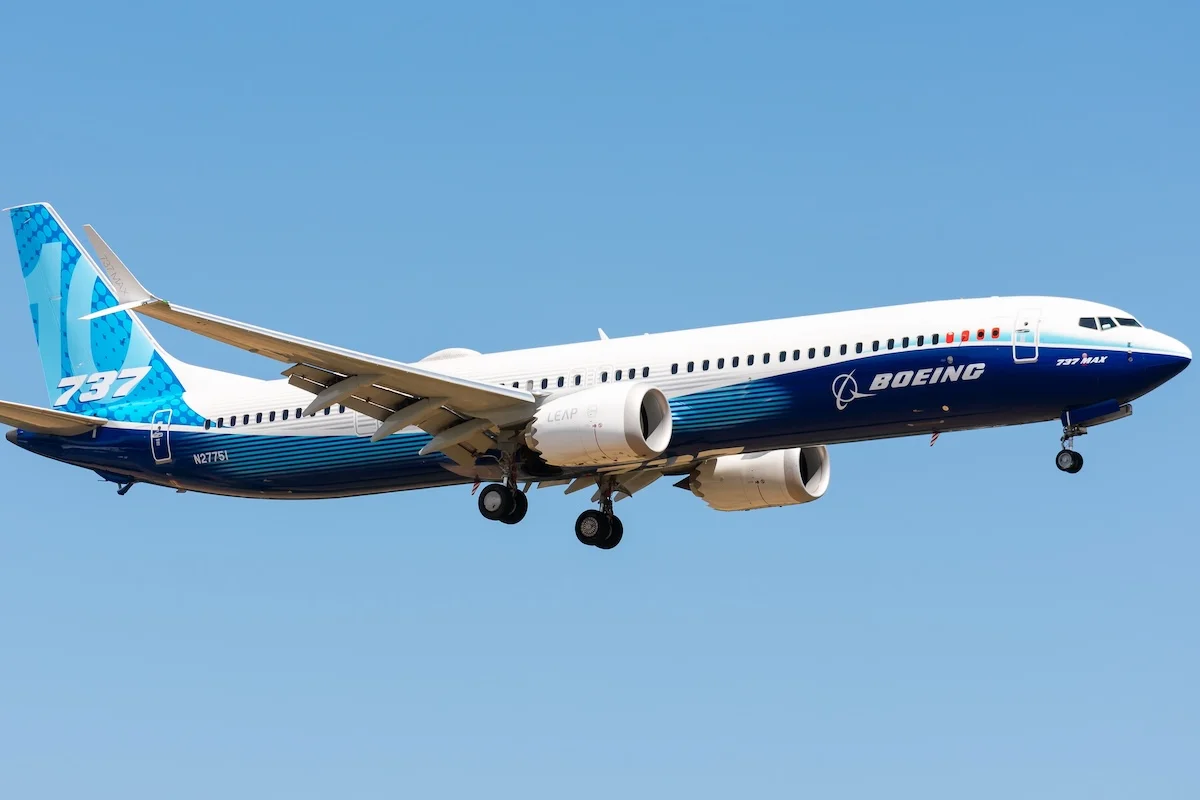
China’s headline-grabbing order with Boeing for 200 aircraft after the Trump-Xi summit has hit its first roadblock with concerns about the terms attached to the contract.
The commitment involving the 200 jets worth $17 to $19 billion at list prices, now showing signs of pressure, is unsurprising to analysts looking in, but a frustrating result for all involved.
With the deal bogged down in ongoing mistrust, missing details, and hard bargaining over long-term guarantees, there are concerns about what this means moving forward for the already fragile negotiations.
The Big Boeing Deal Reaches A Roadblock
In mid-May, both Washington and Beijing looked to publicise China’s intention to purchase 200 aircraft from Boeing, with President Donald Trump then flagging the chance for this to be a pathway to as many as 750 planes.
The prospect of adding 550 on top of an already existing 200 was significant and, if pulled off, would allow Boeing to overhaul its backlog and future in China completely. Despite the rolling tensions with the West, this is still a vital market for air travel and demand.
Kelly Ortberg, the CEO of Boeing, meanwhile described the 200-jet package as simply a taster for what’s to come with a long-term and much larger agreement, possibly something to be considered and signed.
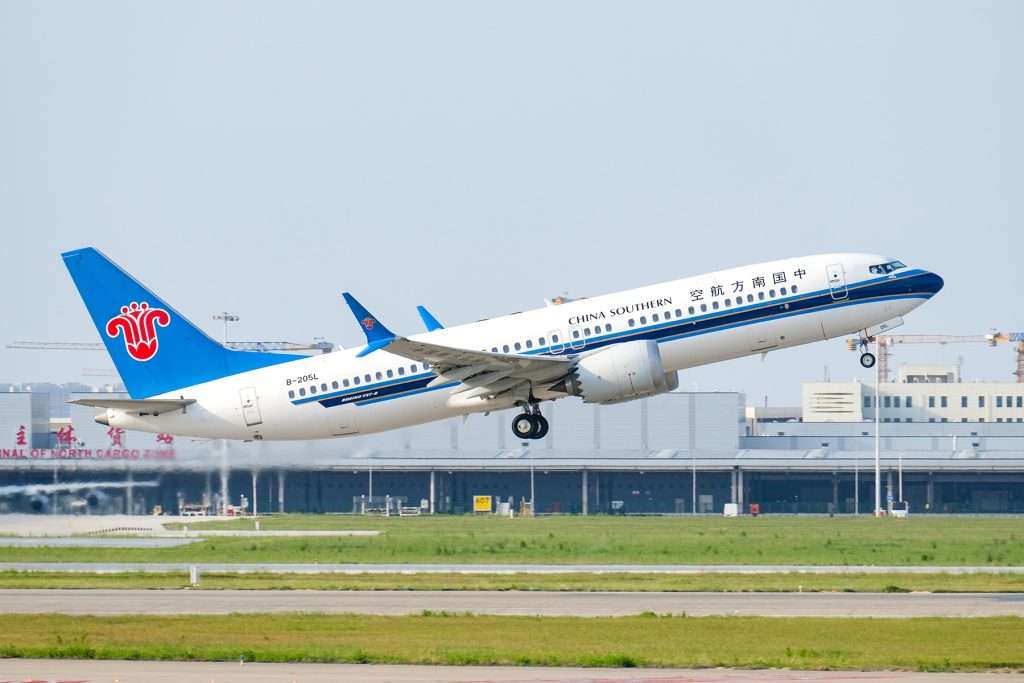
However, while 200 planes were seemingly agreed to, the parameters remained unclear. Neither Boeing nor the Chinese airlines supposedly assigned to the jets have disclosed which models are involved or the delivery timetable.
Chinese state media has spoken about the planes, stating they’ve been bought on commercial principles, while U.S. officials have leaned more heavily on the prospective 750 jet order, but the hard-hitting details and finalisation have yet to arrive, as is typical with other negotiations.
The lack of specifics matters; one analyst flagged that recent trade deals often followed a pattern of big announcements and then spats with feet being dragged during the negotiation phase, especially noted when the agreements are framed as political trophies, above the deep desire for new jets. Now, the Boeing-China package is following a similar script.
Beijing Demands Long-Term Guarantees
Now what is surfacing are the demands from Beijing, and fresh ones, surrounding the desire for more airplanes but the hard assurances that the US will continue to supply engines, spares and maintenance support for decades even after deliveries occur.
Chinese officials state their understanding of the summit outcomes also included the strict supply guarantee for important components. The uncertainty now held is a culmination of years’ worth of scars that have impacted agreements between China and the West.
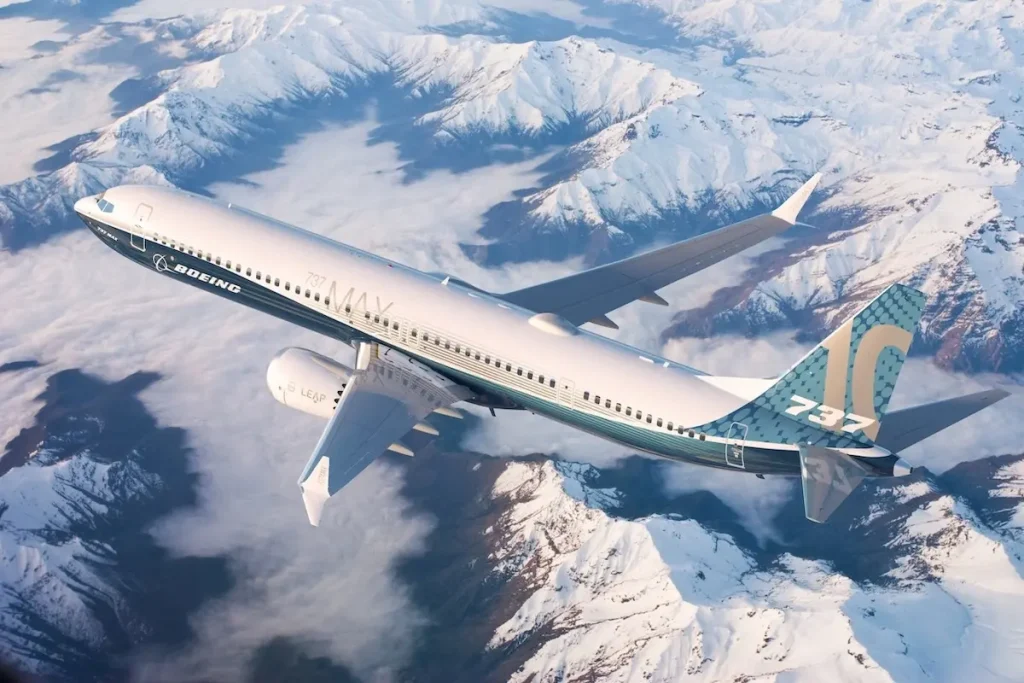
U.S. officials have contested this view; they insist the long-term supply commitments were not part of the original handshake and should therefore be handled through normal commercial channels instead of being baked into a further political agreement.
This split is why there are concerns that China is seeking additional guarantees before moving ahead with the new commercial planes, complicating negotiations on what was intended to be a centerpiece of renewal and a key part of the summit.
Is The Order At Risk
The immediate risk to the 200-jet order doesn’t lie in the lack of need for these planes. China has been desperate for new planes for some time; its airlines are screaming for newer models; however, this decade and previous ones have seen political tensions prevent the necessary investment.
The larger concerns centre around the political angle and commercial realities of the transaction. The deal is seen in the U.S. as a win and a boost to the backlog. However, the Chinese side has concerns about the transaction’s framework and is seemingly looking to tie up plans before proceeding.
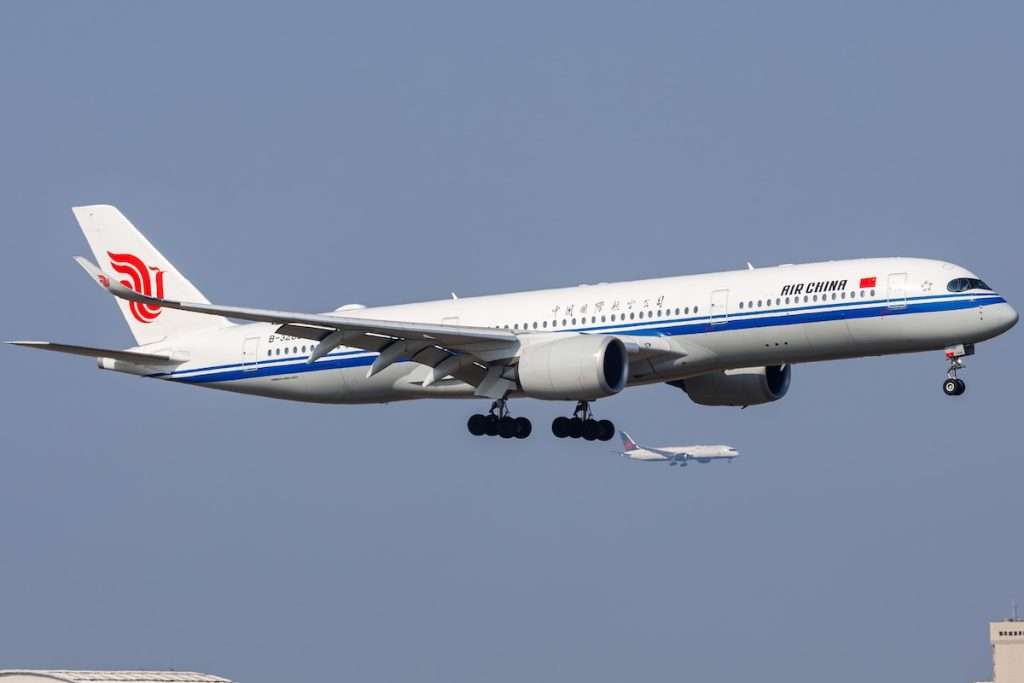
Complications with Boeing come as Airbus has been able to enjoy a relatively smooth 2026 with several Chinese airlines ordering new jets from its production backlog. While the A320neo family has been most prominent, the A350 has recently appeared thanks to Air China.
In Boeing’s case, things are more trying; the 200-jet package still needs to be solidified, and for that to happen, the U.S. and China need to agree on language that would give Beijing long-term comfort and support.
Boeing must also work closely with Chinese airlines to ensure smooth handovers and quality if it wants to reach the total 750-jet order that has been targeted. Unfortunately, with tensions never quite eased, there are risks throughout the duration of this deal up until final delivery, if that happens.

ABOUT THE AUTHOR
Daniel Fowkes is a Melbourne-based aviation analyst and journalist with over a decade of industry experience. As founder of Dj’s Aviation, he delivers trusted analysis on aircraft, airline strategy and global aviation trends for djsaviation.net
Related Articles




Stay Informed
Get the latest aviation news, analysis and route updates delivered to your inbox.
We respect your privacy. Unsubscribe at any time.
Enjoyed this story?
Make us your go-to for aviation news
Add us as a preferred source on Google and see our latest stories first in Top Stories.
Add Us On Your News FeedRelated articles
· Analysis
· Airbus
· Aircraft
· Boeing
Airbus A350-1000 vs Boeing 777-9: The Next-Gen Widebody Matchup
Bryan Shelmon
22/09/2026
· Aircraft
· Airbus
· Boeing
Airbus Confused By Boeing’s New Aircraft
Daniel Fowkes
18/09/2026
· Aircraft
· Boeing
Boeing May Not Launch The 797?
Daniel Fowkes
15/09/2026
· Aircraft
· Boeing
Boeing Scrapped A Brand New 777X
Daniel Fowkes
13/09/2026