
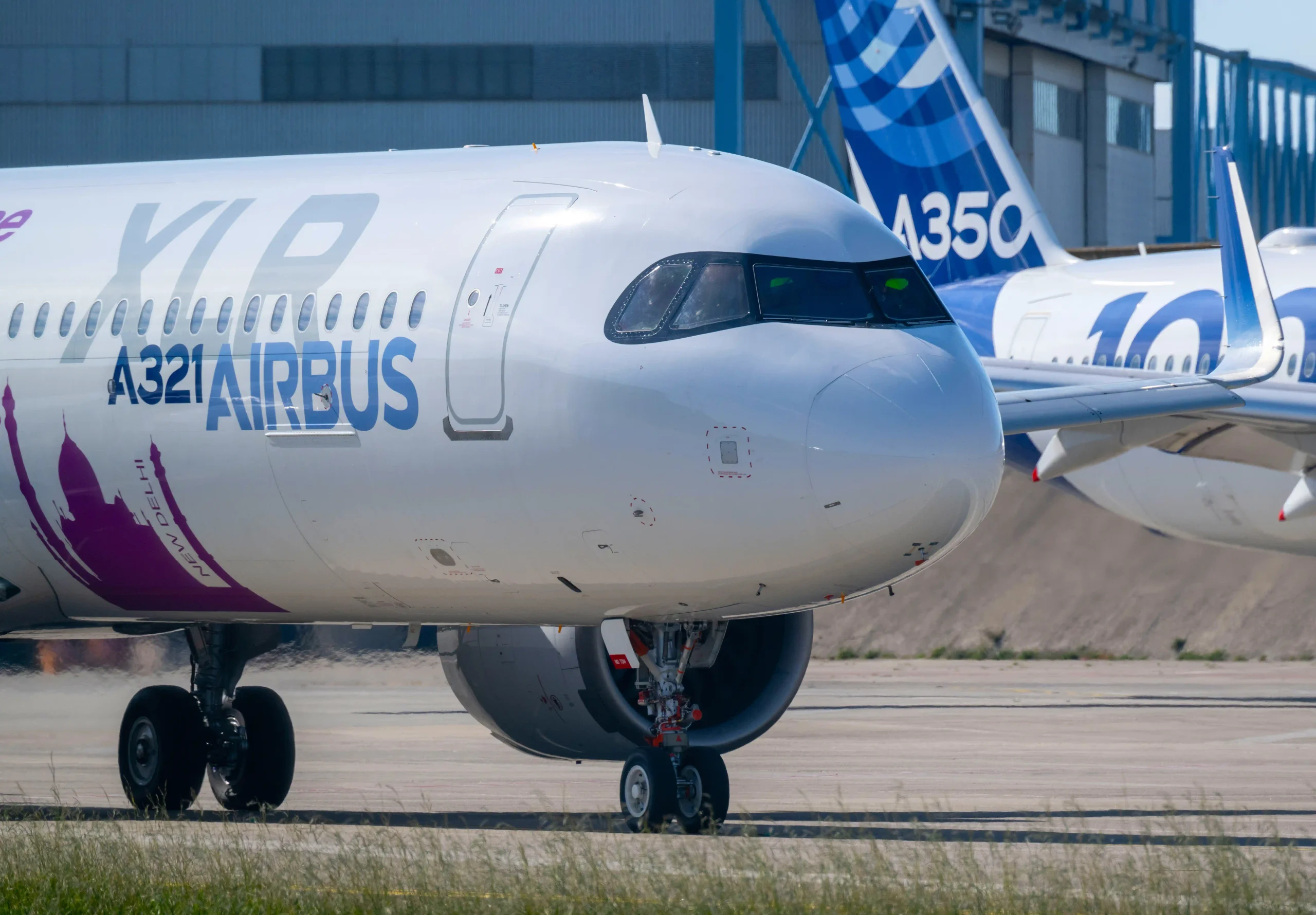
The prospect of an Airbus A321neo Freighter launching as part of a passenger-to-freighter conversion has grown as Elbe Flugzeugwerke (EFW) evaluates the option.
According to leading trade publication Cargo Facts, interest in the programme and eventual conversion is part of efforts to extend the narrowbody cargo platforms available to customers in future decades, beyond the current A321ceo programme.
Cargo Facts noted that the proposed programme, if actioned, would complement the existing conversion business, which is held for the A321ceo and is yet to be confirmed, but discussions remain ongoing so a decision can be made.
Working towards a possible A321neo freighter
Crucially, before the green light is given for a possible freighter conversion programme, a foundation needs to be built around the type, and EFW already has that.
The company notes that it has built the technical and commercial foundation necessary for the study to progress into a freighter programme involving the A321neo. That study will build on the learnings from the current-generation passenger-to-freight programme.
EFW holds the necessary type certificate and has also become the leading marketing and sales provider for the current A321P2F programme, which ST Engineering and Airbus developed but later took over by EFW.
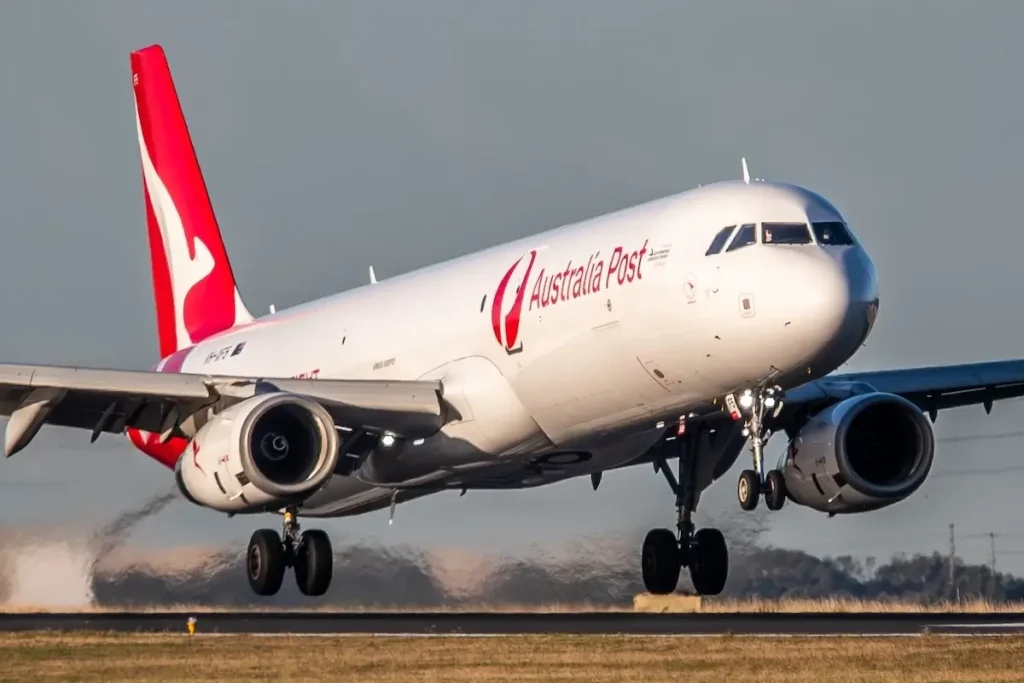
The A321P2F offers up to 28 tonnes of payload with 14 main deck container positions and a further ten in the lower hold. The lower deck has become important for express and parcel networks, especially with a fleet of A321P2Fs leveraged in Australia by Australia Post.
However, converting passenger jets into freighters presents its unique set of challenges not found with a typical dedicated freighter model. Challenges for these conversion programmes include ensuring the extensive structural work meets regulatory requirements.
Reinforcing the fuselage is one of the biggest undertakings, with a complete process that includes rebuilding the floor and installing a main cargo door, in addition to the reinforcement needed to support the jet’s weight and new purpose. Furthermore, systems must be validated under the new configuration and modified as needed.
Is there hope for an A321neo freighter?
Just because EFW has the tools to make an A321neo passenger-to-freighter programme a reality doesn’t mean it’ll proceed. The jet’s role needs to be defined, likely as a later-generation type that could complement the A321ceo rather than replace it directly.
Cargo Facts described EFW’s evaluation as placing the two programmes side by side, so neither is a complete replacement in either direction. That means EFW sees a world where both passenger and freighter programmes are working in tandem across freight providers’ fleets.
The greatest appeal of a possible A321neo freighter would be the chance to offer fuel savings over previous-generation types, though that is not guaranteed. The modifications needed for the type, paired with additional weight, would shift the conversion’s metrics.
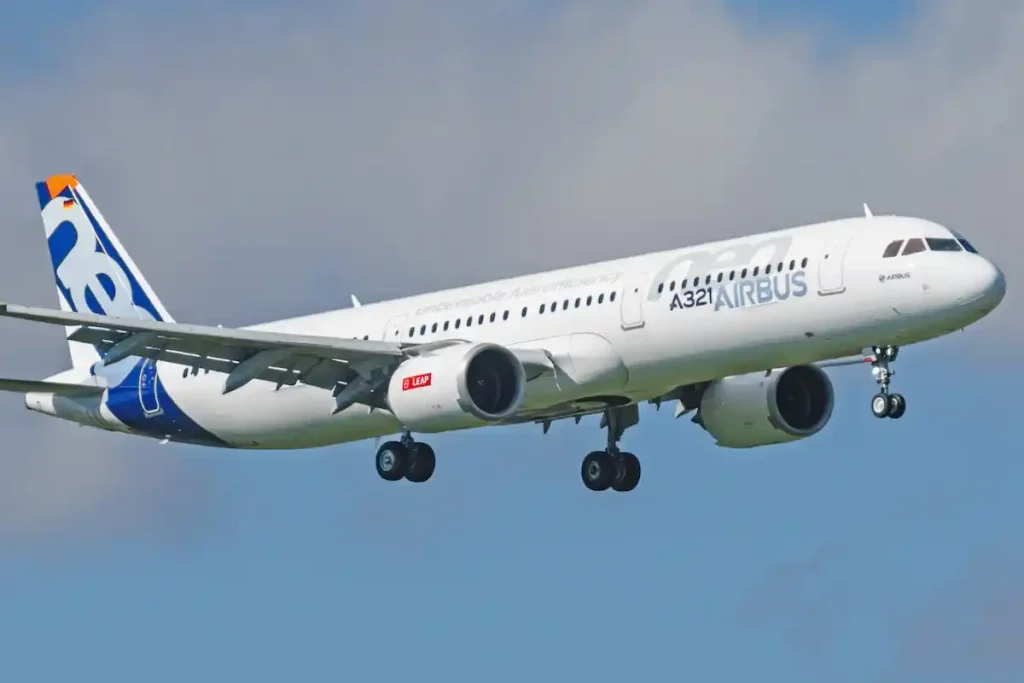
Additionally, there are concerns about the market share for such a model if it were to launch. Previous discussions sparked interest in its potential as a low-utilization jet type; here, fuel consumption isn’t as influential in decision-making. This is seen as a good target market for passenger-to-freighter conversions.
The A321neo’s age is also a consideration in these discussions. The A321neo was first delivered just under 10 years ago, with the first delivery in April 2017, so it is not yet at mid-life as a passenger jet compared with the A321ceo.
The A321ceo is nearing the end of its passenger life for some airlines, and that presents the opportunity to acquire jets that would be headed to the scrap heap and instead convert them; the same cannot be said for the A321neo, where its availability is scarce enough for the aftermarket, let alone supporting a dedicated freighter line.
Beyond the A321neo’s youth, which may work in its favour as the freight market develops its need for single-aisle aircraft, the bigger concern is the weak adoption of these single-aisle converted freighter programmes, which see the A321ceo as not broadly favourable.
Challenging market conditions and low adoption have raised more questions about whether the A321neo freighter will move past formal studies to an eventual launch. Given the type’s youth in passenger fleets, though, there’s time to see how markets evolve and what the fate of single-aisle freighters looks like over the next five to ten years.

ABOUT THE AUTHOR
Daniel Fowkes is a Melbourne-based aviation analyst and journalist with over a decade of industry experience. As founder of Dj’s Aviation, he delivers trusted analysis on aircraft, airline strategy and global aviation trends for djsaviation.net
Related Articles



Stay Informed
Get the latest aviation news, analysis and route updates delivered to your inbox.
We respect your privacy. Unsubscribe at any time.
Enjoyed this story?
Make us your go-to for aviation news
Add us as a preferred source on Google and see our latest stories first in Top Stories.
Add Us On Your News Feed